
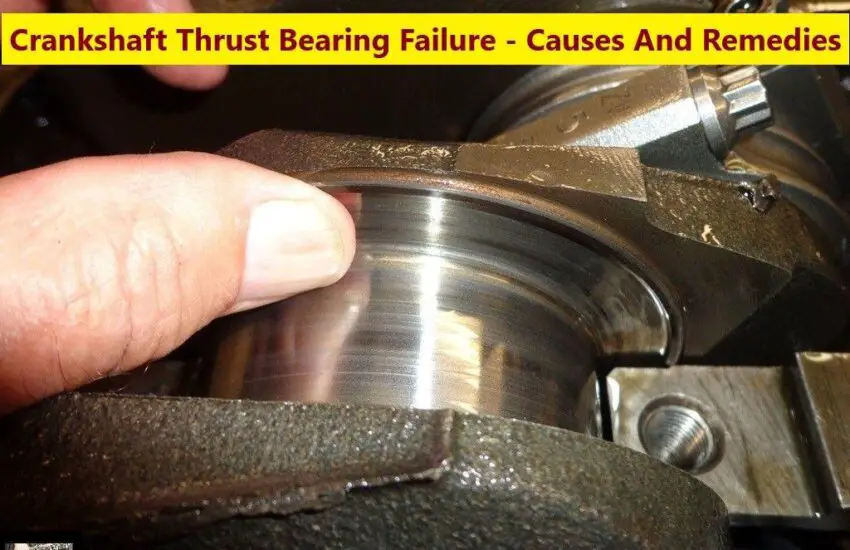
Crankshaft thrust bearing failure has been a major challenge for engine and transmission rebuilders for years. Identifying the exact origin of this failure can sometimes be straightforward but often remains complex to diagnose accurately.
Understanding Thrust Bearing Failure
The crankshaft thrust bearing plays a crucial role in maintaining the axial positioning of the crankshaft. When this essential component fails, the consequences can be severe for the entire engine.
Main Causes of Failure
Several factors can cause thrust bearing failure. Normal wear due to high mileage is the most common cause, but other elements come into play.
Lubrication Issues
Insufficient quality engine oil or inadequate oil level can lead to overheating and premature wear of the bearing.
Excessive Mechanical Stress
Heavy demands on the clutch or transmission generate significant pressure on the thrust bearing.
Solutions and Preventive Measures
Replacing the faulty bearing must be accompanied by precise identification of the root cause to prevent recurrence.
Regular Checks
Periodic inspections of crankshaft axial clearance allow for early detection of wear signs.
Preventive Maintenance
Using quality engine oils and adhering to oil change intervals are essential for extending the bearing’s lifespan.