
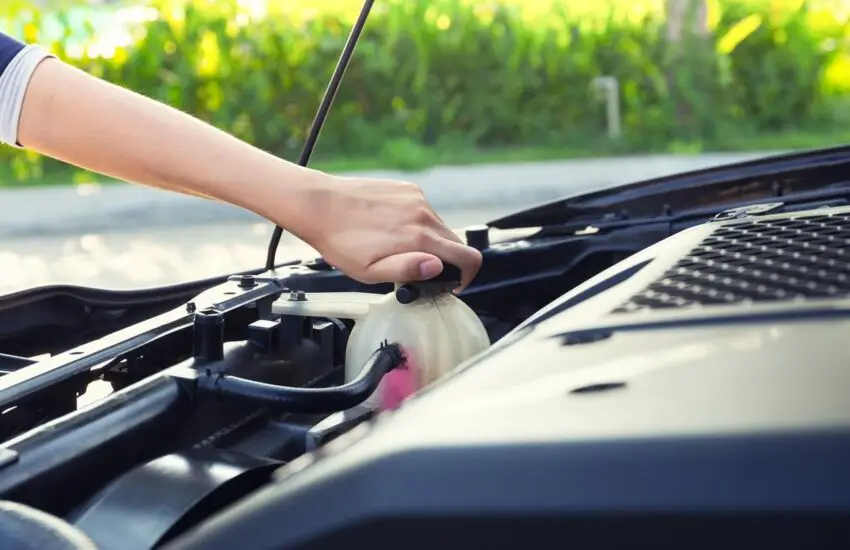
If you want to keep your car running smoothly on the road, maintaining proper antifreeze levels is essential. Without antifreeze, having a vehicle would be pointless. As the saying goes, “Small things come in big packages.” The same applies to coolant, which may seem insignificant but can prevent your car from functioning. Keep reading to learn what happens when your car lacks coolant.
What Happens When Your Car Lacks Coolant? The 3 Common Effects
Coolant, or what you might call antifreeze, is a fluid that regulates the engine’s temperature. The role of antifreeze is crucial, and its absence could lead to disasters. Sometimes, you might tend to ignore the low coolant warning light and overlook the consequences. What are they? Let’s explore this in detail for your better understanding.
1. Engine Shutdown
Coolant is present to cool down the very hot components of the engine. Without coolant, the engine parts would heat up but never cool down. This, in turn, would cause the engine to fail and deteriorate the corresponding parts. When the engine fails, the heart of the car breaks down; thus, your car loses its essence of existence.
Today, with the advent of new technologies and modern cars, things have changed for the better. As soon as the coolant level drops, the engine automatically stops. This is a sign indicating the need to top up the coolant. Simply put, you won’t be able to drive further until you provide the right dose of coolant to the system. This is the worst thing that happens when your car lacks coolant.
2. Car Heater Malfunction
The car heater uses the residual heat that the coolant absorbs from the engine. It’s clear that without coolant, the heater won’t receive the dose of heat it needs to function. Under such circumstances, the heater wouldn’t blow hot air at all, or it might blow hot air continuously.
This would be an extreme situation that you wouldn’t be able to handle. Driving in winter would be a task you couldn’t fully enjoy. Even if you’re wondering what’s wrong, checking the coolant levels would prove useful here. You can also refer to maintenance tips to detect symptoms of low coolant levels.
3. Poor Fuel Economy
The benefit of an engine running at the right temperature is reflected in its fuel economy. This is a crucial factor every car owner must consider as fuel prices rise. If you witness a drop in the MPG reading, it would be appropriate to check the coolant levels.
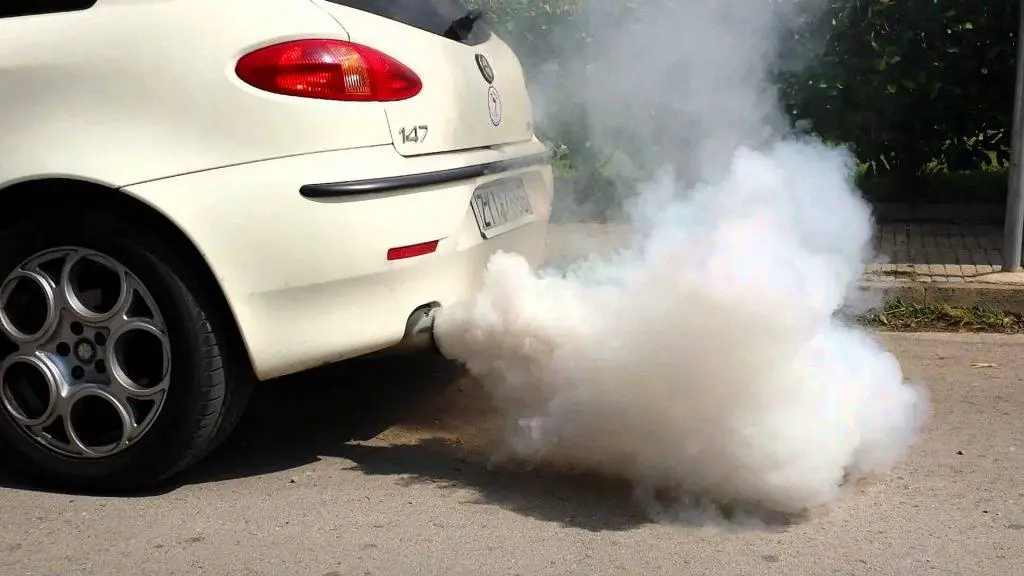
When the coolant level is low, the engine doesn’t lose its “overheating” state, leading to inefficient fuel combustion. Once this happens, the emissions from the exhaust would also increase exponentially. This would further deteriorate your carbon footprint, a key parameter for meeting environmental needs.
According to automotive technical experts, coolant operates in a closed circulation system, making its loss difficult. Normally, during the first 2 to 3 years of use, a small amount of coolant may be lost. If the car owner notices rapid coolant loss, it’s advisable to have the vehicle inspected and repaired.
Coolant leaks and losses can occur due to damaged hoses and perforations. However, detecting coolant leaks can be challenging for car owners, as these areas are often located deep within the engine compartment.
Expert Tip
To ensure the coolant always functions properly, you should follow these tips below:
Regularly Check the Coolant Level
Before each trip, the driver should open the hood and check the coolant level in the auxiliary tank. Make sure the coolant is always maintained at a safe level (between the Max and Min lines). If the coolant level is below the Min line, add some immediately.
Monitor the Temperature Gauge
While driving, occasionally pay attention to the coolant temperature gauge. If the temperature needle points to the Hot level, immediately stop the car, open the hood to let the car cool down, and check for any issues.
Do not open the coolant tank cap when the engine is running. If you need to stop the vehicle because the temperature gauge is too high or the vehicle has a problem, do not open the coolant tank to check the water level immediately due to the coolant. During boiling, the high pressure in the tank can cause strong splashes of water onto the face and limbs, causing burns.
You Should Use Specialized Coolant
To keep the engine durable, you should use specialized coolant. This type of coolant allows heat to be conducted quickly and doesn’t accumulate residue. At the same time, specialized water has an easily recognizable color, making it easier to visually check for coolant leaks.
Wrap Up
By looking at what happens when your car lacks coolant, you’ll understand the importance of maintaining it. Never overlook small symptoms, as they can lead to irreparable disasters that could cost you a fortune.