
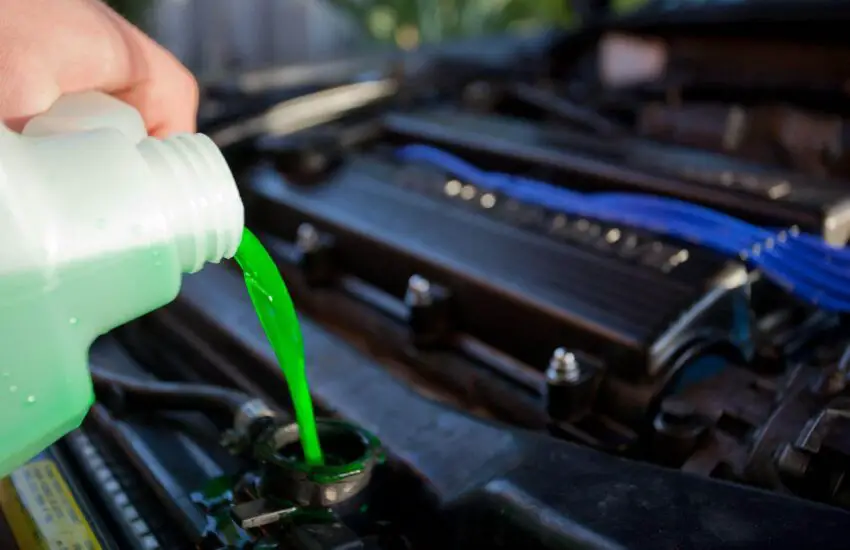
Whether you call it antifreeze, coolant, or even radiator fluid, the purpose is to keep the engine cool. It can happen that the cooling system fails for one reason or another. The mystery arises, however, when, as if by magic, the coolant disappears from the reservoir without any potential signs of a leak. Has this happened with your car as well? Let’s unravel the mystery for you so you don’t scratch your head wondering next time.
What is the purpose of coolant?
Coolant is not only useful in summer but also in winter. In summer, the coolant helps dissipate heat from the car’s engine so that the operating mechanical block stays cool. In winter, the coolant helps lower the freezing point and, consequently, increases the boiling point of the liquid, hence the name “antifreeze.”
Why does coolant secretly disappear from the reservoir?
Low coolant levels or operating with aged coolant are common observable issues in cars. Curiosity arises when the coolant mysteriously disappears from the reservoir and you don’t even notice any leak. How is this possible? It’s a puzzling situation that has much more to do with it than you might imagine. Let’s explore and address the root cause of the current problem.
Why coolant disappears from your car’s reservoir. (Photo source: wheels)
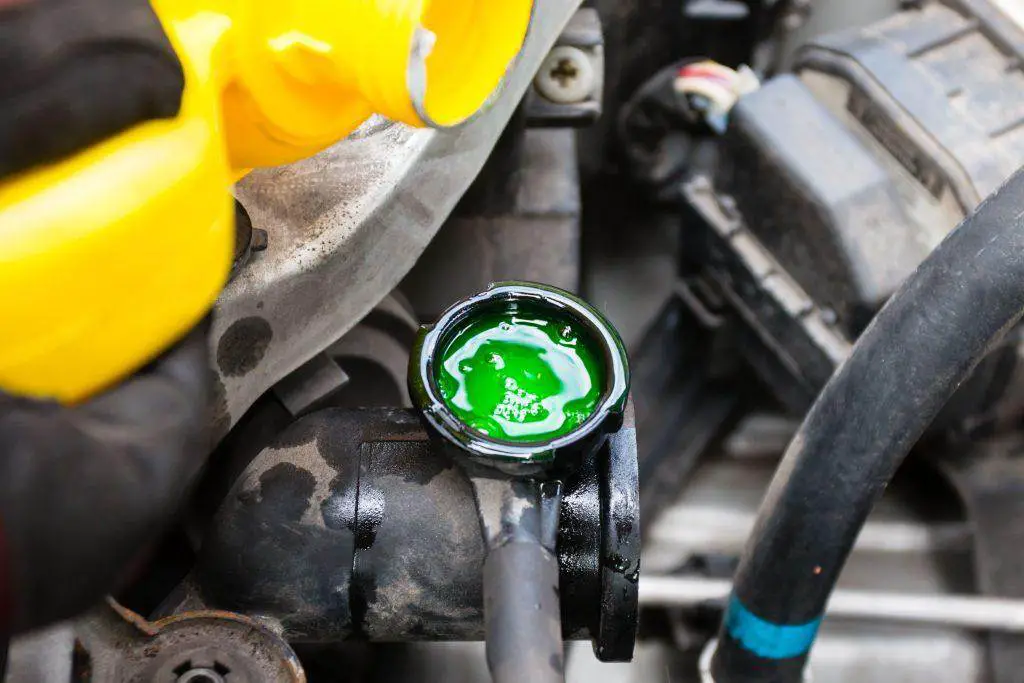
The real problem occurs when proper coolant levels are not maintained in the reservoir. Such a decrease in coolant level manifests as leaks or an odor that emerges when the coolant escapes as mist. The real confusion arises when the coolant disappears from the reservoir without any symptoms. What could be the reason for this? Let’s find out!
1. Faulty Reservoir Cap
It can happen that the radiator reservoir cap turns out to be faulty. Even though it seems like a minor issue, it can have disastrous consequences. Under normal circumstances, coolant is expelled from the reservoir’s overflow tube when the engine starts to heat up. This leak is visible and can result from a bad reservoir cap. Refer to maintenance tips to learn about the consequences of an overfilled coolant reservoir.
A reservoir is under pressure under normal circumstances to increase the boiling point of the coolant. If the radiator cap is faulty, the required pressure fails to build up inside the system, leading to overheating. When this happens, the coolant may simply burn off and disappear.
2. Bad Head Gasket
A head gasket is a component sandwiched between the engine block and the cylinder head of the combustion engine. The basic functionality of these gaskets is to seal the cylinders so that coolant does not enter the cylinder.
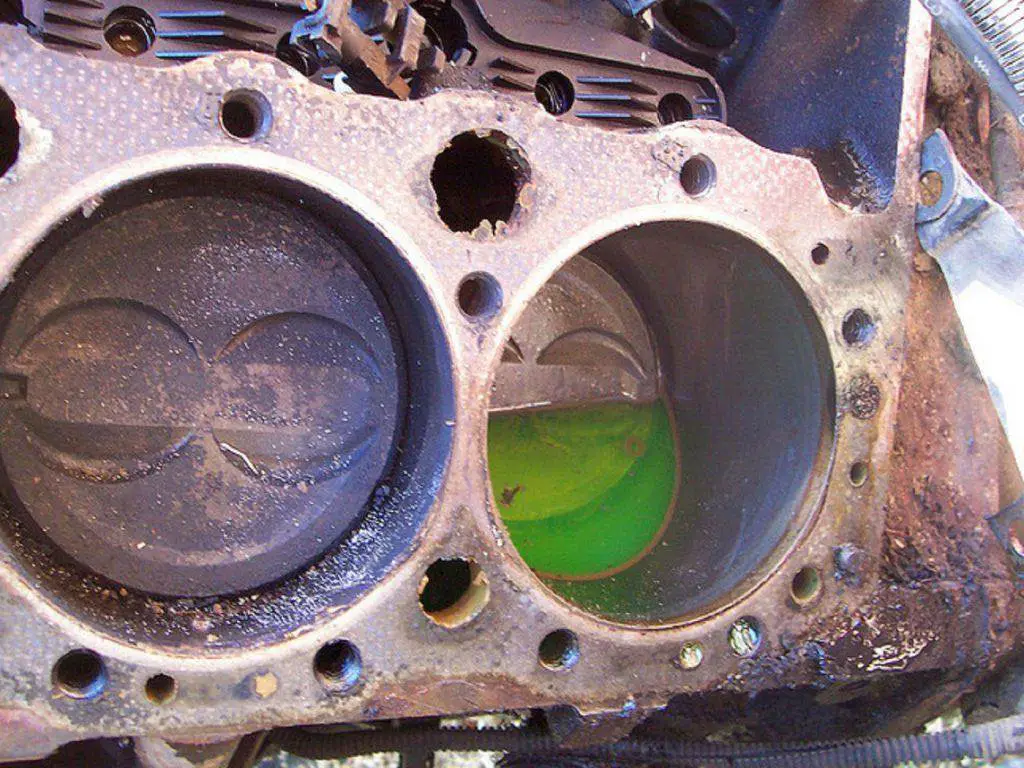
Solving the mystery of coolant disappearing from the reservoir. (Photo source: Keralapool)
Sometimes, however, the head gasket can turn out to be faulty. Such an issue, in turn, can lead to coolant flowing into the cylinder and evaporating. In the case where the head gasket leak is minor, air is likely to enter the cooling system. The pressure thus formed by the air causes the radiator cap to lift. This, in turn, leads to the evaporation of the coolant along with exhaust gases.
3. Invisible Leak Points
When you don’t know where the coolant is going, applying pressure can help resolve the confusion. You would need an air pump, which, in turn, will help you detect the leak point when nothing is visible to the eye.
Remove the radiator cap and attach the air pump tester hose to the coolant recovery reservoir. Now, you can start pumping air until the air pump gauge reaches the pressure level printed on the radiator. Now that the system is under pressure, leaks would become visible through the leak points, if any.
Wrap Up
These are the causes that could lead to the coolant disappearing from the reservoir without any leak. Remember to never ignore coolant leaks, whether visible or not, as they could damage the car’s engine and driving quality.