

Common transmission problems you cannot ignore. In every vehicle, the car transmission is one of those components that directly affects performance. By following proper maintenance procedures, you can keep the transmission running smoothly. This way, you won’t have to worry about costly maintenance and replacements. However, having some knowledge of common transmission problem signs will help you detect any issues with your transmission in time. In this article, we will take a closer look at the most common transmission problems. But before that, it is suggested to understand what a transmission is.
What is a transmission in cars?
A transmission, or as some car owners prefer to call it, a gearbox. The car transmission is the part of the car that transfers the vehicle’s power so the car can use it. There are two types of transmissions usually seen in vehicles:
Manual Transmission
In short, a manual transmission, or a manual gearbox, is like a bicycle’s gear lever, but much more powerful and of course doesn’t have a chain inside. Car owners disconnect the transmission and the engine by pressing the clutch. To shift the vehicle to a new gear, drivers adjust the gear lever to the new gear, then release the clutch to continue driving.
Automobiles need gears to prevent the engine from destroying itself. The transmission and engine are temporarily separated during gear changes. Instead of using your own hands, drivers can use the clutch pedal to control the spring plates. There are two plates that play an important role in the manual transmission for shifting gears:
One plate is the pressure plate. This automotive part is connected to the flywheel. The other is the driven plate located on the input shaft connected to the gearbox. By pressing the clutch pedal, the driver releases the pressure on the spring clamp and separates the engine from the gearbox.
Automatic Transmission
An automatic transmission, also known as an automatic gear lever, is the improved version of the manual gearbox. Drivers do not need to shift gears manually using a clutch since the automatic transmission will do everything. Normally, a low-speed car will mostly start to struggle as it is pushed to higher speeds. However, with an automatic transmission and a torque converter, the car can detect speed changes. More precisely, when the driver accelerates or slows down, the car automatically shifts to an appropriate gear.
Signs of Transmission Problems
Recognizing that your vehicle has transmission failures, car owners must repair it as soon as possible before it becomes much worse and much more expensive. So, how can we know when our car has automatic transmission problems? Here are our symptoms for drivers to spot transmission problems:
- Delays in shifting gears
- The car shakes while driving
- Transmission grinding
- Fluid leak
- Burning smell under the hood
- Transmission fluid is thick or foul-smelling
- Dull and whining noise from the vehicle
- Unable to engage a gear on the manual transmission gear lever
Remember: the car transmission is crucial and any type of transmission problem can make your car unable to drive. The typical function of your car’s transmission is to direct engine power to the driveshaft that effectively turns the wheels.
Now that we recognize the symptoms of automatic transmission problems, the list below presents some of the most common transmission problems.
Automatic Transmission Problems
1. Grinding or Whining Noises
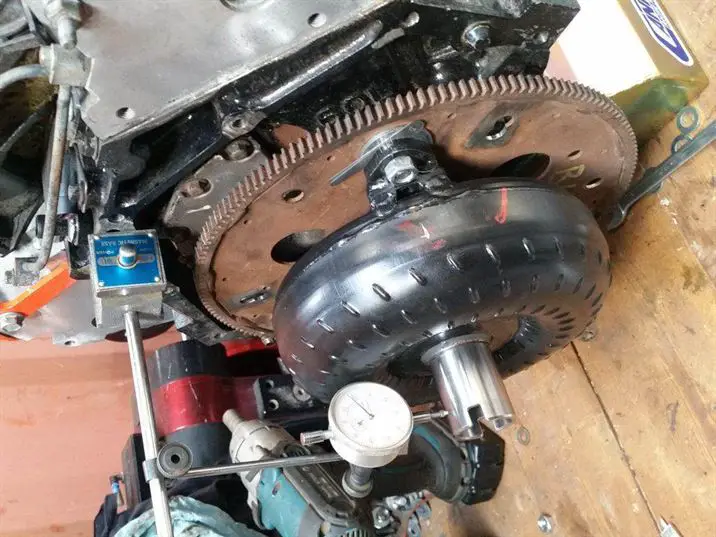
If everything is working normally, the automatic transmission operates smoothly when shifting gears. More precisely, there will be no sensation of slipping, shaking, or grinding when moving from one gear to another. When you hear a strange brushing noise, even with a gear in good condition, the problem will surely lie in the torque converter.
Damaged or worn needle bearings are one of the most common automatic transmission problems. It is usually just a minor issue, but since it is connected to a torque converter, you will know immediately.
Even if it seems like a minor problem, it can cause huge damage to the transmission if drivers do not take care of their dear vehicle.
2. Lack of Response
If there are faulty responses or no response from your car when you engage the gear, this problem surely comes from the transmission. Of course, one of the most important problems regarding car transmission must be the transmission itself. However, this problem could be complicated. It could be as simple as low transmission fluid level, or perhaps something more serious.
The cause of transmission failure is mostly the lack of proper care. Especially if you usually drive cars on difficult terrain like towing and in hilly areas, it is recommended to take care of the transmission and engine, as well as change the filters and fluid at the recommended time and mileage.
For this reason, if your car is unresponsive, entrust it to a professional service to avoid losing even more pennies from your wallet!
3. Burning Smell
Another symptom in the list of common transmission problems is a burning smell. The smell of something burning is a bad warning sign that you don’t want to happen in your car. Many factors can cause this burning smell, but the main factor is often the transmission fluid overheating. If you have to face this bad situation, you must calm down and have your car checked by a professional as soon as possible.
With a non-professional person, diagnosing some car transmission problems is not the best thing to do. Keep in mind that whenever you feel or hear strange things, don’t wait to see if the problem goes away. The most urgent thing to do is to take your car to a repair shop to avoid any further terrible damage. Solving your car’s transmission problems as quickly as possible not only saves you trouble, time, and money but also prevents you and others from accidents on the road.
4. Torque Converter Problems
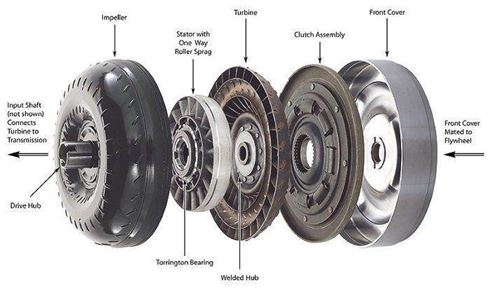
In the list of common transmission problems, torque cannot be ignored.
Speaking of definition, a torque converter is a connection that transfers engine torque to the transmission and the vehicle’s drive wheels. Undoubtedly, it plays a crucial role in transmitting the fluid pump drive to operate the transmission.
However, torque transmission and the converter can cause different types of problems responsible for failures or damage in the transmission. Drivers often face problems related to damaged or worn needle bearings. Hot needle bearings often create easily audible noises while driving. At neutral, it is unlikely to make noise. But, as soon as you shift into drive gears, you can hear brushing or grinding noises.
Although most transmission problems include overlapping symptoms, car owners must carefully check all other parts of the car before blaming the torque converter.
5. Low Fluid Levels or Leaks
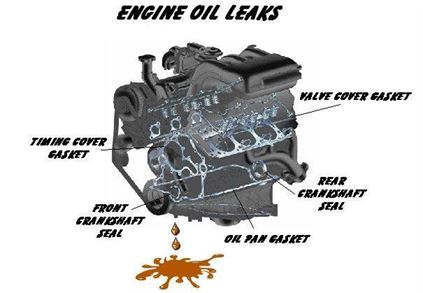
The most common car transmission problem is probably transmission fluid leaks or low fluid levels. Such a problem can occur if there is a leak in the transmission system. There are many reasons for this problem: a leak at the pan gasket, driveshaft or axle seal, or even a transmission cooling line. This will lead to burning or lack of fluid, overheating, and significant damage. In situations where the driveshaft or transmission is faulty, leaks can occur. You can fix the problem by replacing the transmission seals. In other cases, coolant also contaminates the transmission fluid. The common term for such a fault is cross-contamination.
Fluid leaks or low fluid levels usually result in slow shifting or gear slipping. Immediately change the fluid or completely flush and fill the transmission whenever you notice fluid contamination.
6. Flashing Check Engine Light
One of the most common transmission failures that we can easily notice is the flashing check engine light. Experienced drivers all recognize that the check engine light can say a lot about their car’s problems.
More precisely, the air conditioning, braking systems,… and many other car components can cause this light, including the transmission. So, if the check engine light is flashing, the transmission is the place to check.
7. Solenoid Problems
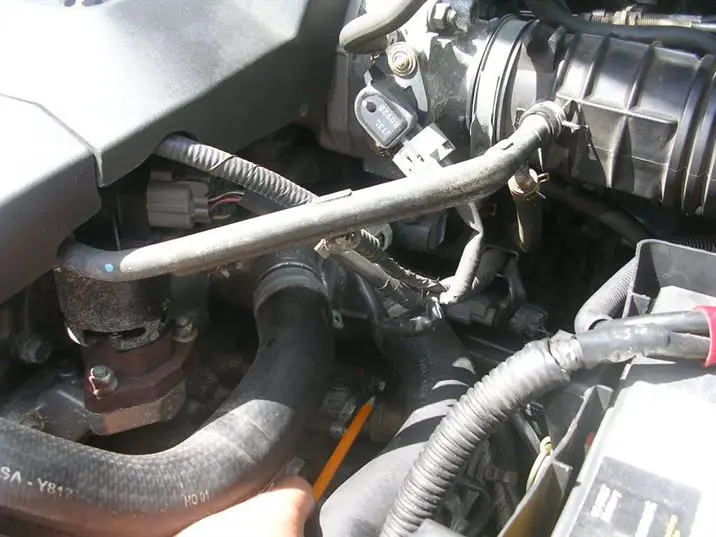
The solenoid is a major component of the vehicle that manages the up and down movements and gear changes while the car is running. Throughout the car transmission and the fluid flow is controlled by this car part.
However, electronic malfunctions or inadequate fluid levels can severely damage the solenoid. Drivers can spot the faulty solenoid through these symptoms:
- Your car does not shift gears
- Strange and changing patterns
- Delay in shifting gears
- Flared or slipping shifts
- Unable to upshift or downshift.
When the solenoid is faulty, the result can be the same as in the case of a fluid leak or shortage: transmission problems, pressure issues, and faulty shifting. As long as there is no leak, but your transmission continues to slip, there is a problem with the solenoid. Furthermore, your engine power drops sharply. The good side of things, car owners can simply fix this problem by just replacing the solenoid.
8. Shudders
Shudders are one of the most common car transmission problems. More precisely, when the bands or clutches are faulty, the transmission starts to shudder. Many factors cause this problem: incorrect computer signals, faulty engine operation, dirty or low fluid, damaged or worn clutches…
With this problem, we recommend finding an automotive technician to help you solve this one.
9. No Shifting
In the list of common transmission problems, no gear shifting is included. For the car to be able to shift up and down normally, the transmission bands are designed to wrap around the internal parts of the transmission. Along with that, it also has solenoids, pistons, and fluid pumps that control and provide pressure. The combination of these components contributes to the proper functioning of the car.
However, if any of these components is faulty, car owners cannot shift gears at all. So, if your car fails to shift gears properly, the transmission may be the main factor.
10. Delays
This is a rather difficult way to detect common transmission problems, as drivers detect delays in gear shifts quite often.
However, if car owners notice a significant delay when shifting gears or between gear changes, they may know there is a problem with the car’s transmission.
Manual Transmission Problems
1. Clutch Pedal
A clutch that cannot disengage is a common transmission problem. When this happens, drivers will hear a grinding noise when shifting gears. In some cases, they cannot even move, which is dangerous while driving.
Most drivers are unaware of the underlying problem: there may be a leak or air inside the system. This reduces the force needed to release the pressure, which creates a dragging clutch.
Car owners can adjust the clutch if possible or turn to an auto mechanic if you want to ensure your car’s components are treated properly.
2. Grinding
Last but not least, you can observe that this symptom presents differently in automatic and manual transmission. If your car is a manual transmission vehicle when shifting gears, you feel or hear a grinding sensation, it may mean that your car’s clutch has just worn out and it’s time for you to replace it. However, it also means that one of your car’s transmission synchronizers is damaged and worn.
If you own an automatic transmission car, a harsh gear shift instead of a seamless shift could be caused by several factors. In the case of automatic transmissions, you should take your car to an auto shop for diagnosis.
These symptoms sometimes occur before or after your transmission starts slipping. These problems can occur when you haven’t replaced your fluid levels at the correct intervals, your engine is running poorly, or the clutches are worn.
How to Prevent Transmission Problems
Let’s be honest, when was the last time you checked your transmission? Most car owners do not maintain or regularly check their vehicle, especially their automobile’s transmission. That’s normal, but you will lose a huge amount of money for an auto maintenance workshop. Usually, as soon as car owners start noticing a problem with their vehicle, it’s time to find the problem and fix it immediately.
However, the best way to