
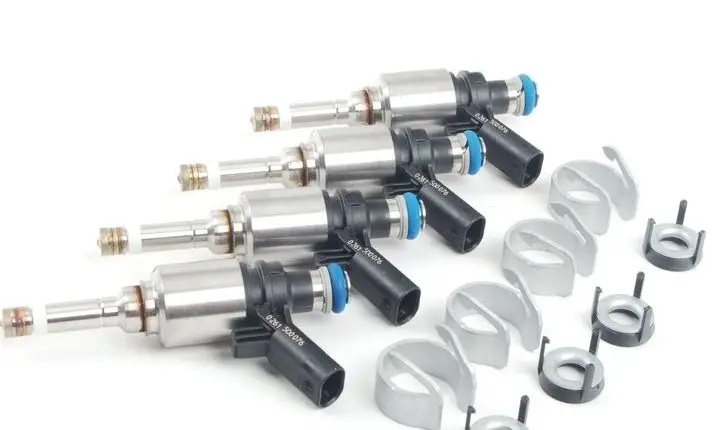
Common symptoms of fuel injector problems, in this article, we will examine the common symptoms and signs of bad fuel injectors and also provide solutions for them.
You will recall that vehicles manufactured before 1980 had carburetors. But modern vehicles now have complex electronic fuel injection systems. The function of the fuel injector is to spray fuel into the engine.
Therefore, if problems occur, it will affect engine performance and the car will become difficult to drive.
To avoid damage to your car and being stranded on the highway, it is important to detect a fuel injector problem before it happens.
Or even being able to identify the problem when it eventually occurs spontaneously.
What is the purpose of a fuel injector?
It supplies the engine with fuel to facilitate the internal combustion process. It is equipped with nozzles that spray fuel into the engine cylinder. Furthermore, the vehicle’s Engine Control Unit (ECU) monitors the injector’s functions and ensures the exact amount of fuel reaches the engine on time.
5 Common Symptoms of Fuel Injector Problems + Solutions to All Signs of Bad Fuel Injectors
Symptoms of a Bad Fuel Injector
When the fuel injector is faulty, it means the engine will not receive enough fuel. This will affect the combustion process and cause engine misfires among other issues related to the vehicle’s proper operation. Some problems include stalling after you press the accelerator, difficulty accelerating, and poor fuel economy.
Most of these issues are due to an inadequate air/fuel ratio. Furthermore, any delay could lead to overheating and the engine might stall.
What Happens When Fuel Injectors Fail
Rough Idle
This occurs due to insufficient fuel supply to the engine, and you will notice that the car’s revolutions per minute (RPM) will drop below the optimal level when idling. This, in turn, causes the car to have a shaky or irregular idle. And the engine might shut off if the RPM drops more than necessary.
Engine Vibrations
It is the fuel sprayed into the engine by the injectors and used for combustion. When the engine is denied fuel because the injector is malfunctioning on one side, the corresponding cylinder does not fire. And the result will be an interruption or continuous engine vibration when you are driving the car.
Vibration is a symptom of a fuel injector problem that matches other engine issues from other sources. So you may need to perform further checks to confirm that it is indeed the injector causing the vibration.
Fuel Leak
Old age can cause a defect, hole, or damage to the injector. When this happens, oil leaks from the injector body. Oil could also leak if there is a damaged seal that deteriorates over time. When you visually inspect the injector, you will see traces of fuel on the surface of the injector or the fuel rail.
Fuel Smell
Due to fuel leaking from the injector, you will perceive a fuel smell due to either the leak at the seal or at the injector. This happens because the fuel is not burning properly due to a malfunctioning injector. Another thing that could cause a fuel smell is a bad sensor or a faulty fuel line.
Failed Emissions Test
Symptoms of a fuel injector problem can occur when there are excessive emissions due to incomplete or irregular fuel combustion. This happens when the air/fuel ratio is skewed to one side, making it too rich and risking burning out the catalytic converter.
Solutions to Bad Fuel Injector Problems
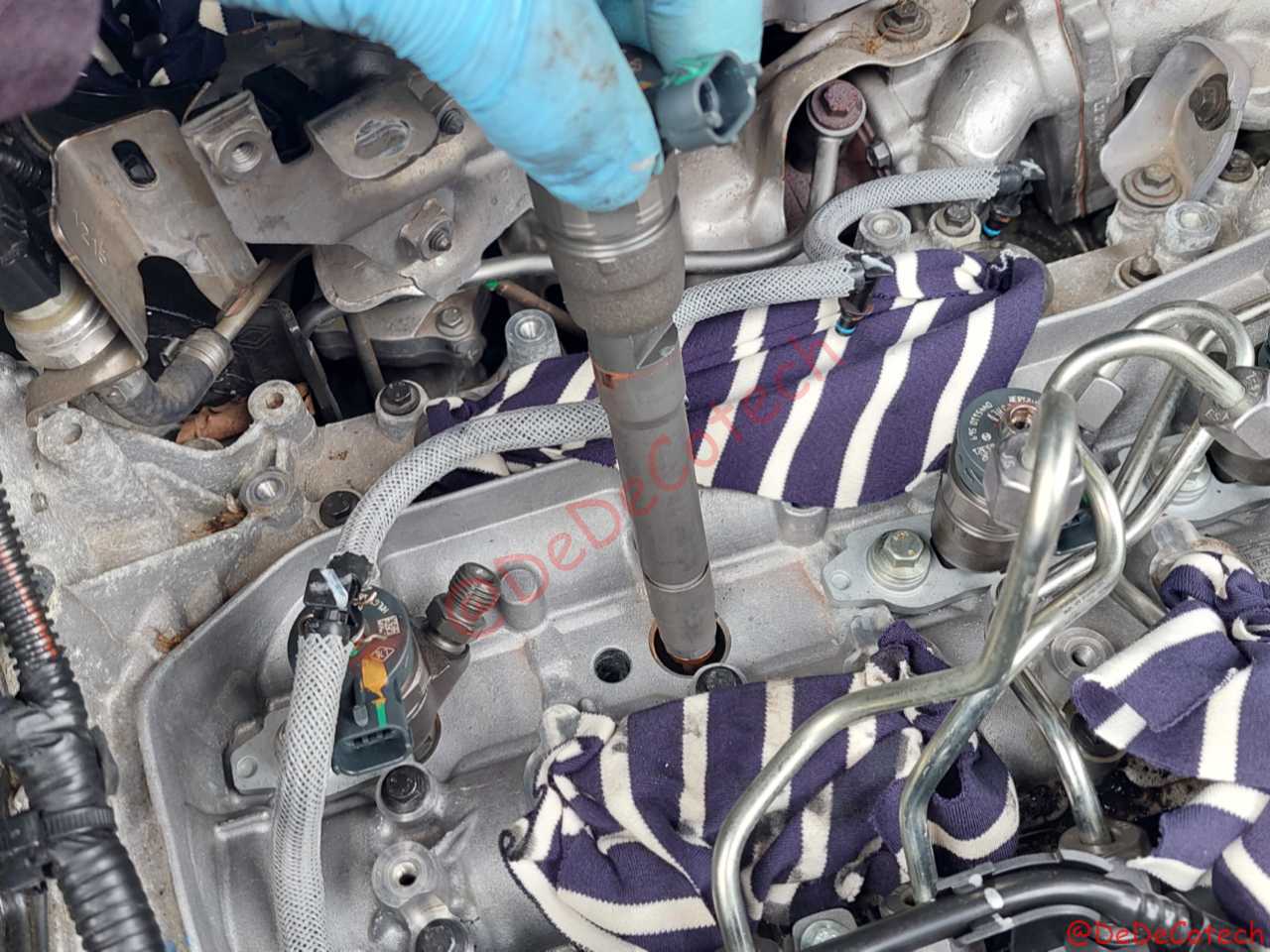
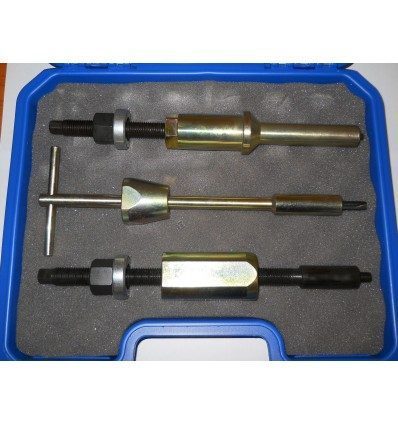
Most fuel injector problems occur because they are not cleaned regularly. To avoid any form of blockage, clean it every time you drive 30,000 miles. Furthermore, you can get a bottle of fuel injector cleaner for less than $15. Meanwhile, a professional mechanic may charge you between $50 and $100 to clean a very dirty injector.
Additionally, you should be happy to learn that cleaning is the remedy for most fuel injector problems. Another thing you can do is change the O-rings if there is a leak. And finally, the worst-case scenario is to replace the faulty fuel injectors, which could cost you between $800 and $1,500, depending on the vehicle type.
How Long Does It Take to Replace Fuel Injectors?
Whenever you turn the ignition key and run your car, you are using the fuel injector to supply the engine with the fuel it needs to do its job. So, the fuel injectors in your car will last between 50,000 and 100,000 miles.
But if you need to replace the old fuel injector with a new one, by yourself, with intermediate skills, it will take you between 1 and 2 hours.
This guide is for a vehicle with an engine fuel supply system. Furthermore, you will need to have an intermediate skill level to perform this routine. And it will take about 1 to 2 hours to complete this project. Let’s begin.
What you will need
- Replacement fuel injectors
- And fuel injector seals
- A set of ratchets and sockets
- A flat-head screwdriver
- A pair of pliers
- A piece of shop towels
Steps to Replace a Fuel Injector
First Step
You will see a metal rod on the fuel injector. This is called the fuel rail. Now, use the socket and ratchet to loosen the bolts and brackets that hold the fuel rail in place. However, depending on the models, on some engines, you will need to disconnect the fuel line from the fuel rail to remove the rail.
Pro Tip: Following this step normally depressurizes the fuel system in multi-port fuel injected vehicles. However, this might be different for your engine, so consult the manufacturer’s manual to confirm.
Second Step
Make sure the engine is cool to the touch. Then, you can disconnect the battery.
Third Step
Remove the plastic engine cover using the appropriate socket.
Fourth Step
Now that the entire cover is removed, next use pliers to detach the electrical connector from each injector.
Fifth Step
Remove the fuel rail from the intake manifold by lifting the injectors with it. You will use a bit of pressure or a fair amount of force here. The reason is that the injectors are connected to the rail and the sprayer tips are snugly fitted into the intake manifold. Be careful not to bend the fuel rail, so don’t use too much force.
Sixth Step
Inspect the injector. And, if you see a small metal clip that looks like a staple, use a small flat-head screwdriver to remove or push the clip. Then, with your gloves on, grasp the injector and work it back and forth while pulling it to remove it from the fuel rail. The injector and rail will have fuel drips, so use the shop towels to clean the fuel.
Pro Tip: Before installing the new fuel injectors, dip the tip of the injector (using the sprayer end) into a small amount of engine oil. This will lubricate the seals and prevent leaks. But if the new injectors you bought do not come with seals, purchase new injector seals separately instead of reusing the old ones.
Seventh Step
Now, press the injector into the rail until it stops. Attach the metal clip if it has one.
Eighth Step
Next, reinstall the fuel rail. Note that this can be difficult. First, align all the injectors with their respective holes, then push each injector until they slide into place.
Ninth Step
Tighten the fuel rail bolt. And secure the fuel line in place. Also, don’t forget to plug in the fuel injector electrical connections.
Tenth Step
Finally, reconnect the battery to the correct terminals.
Eleventh Step
Now insert the key and turn it to the ON position and wait 10 seconds before turning the engine to the start position. The slight delay allows the fuel pump to fill the fuel lines and rails before starting the engine.
Twelfth Step
Let the engine run for a bit and when it reaches normal idle speed, turn off the engine. Finally, inspect the injectors with a flashlight for any fuel leaks.
Can a Faulty Fuel Injector Damage the Engine?
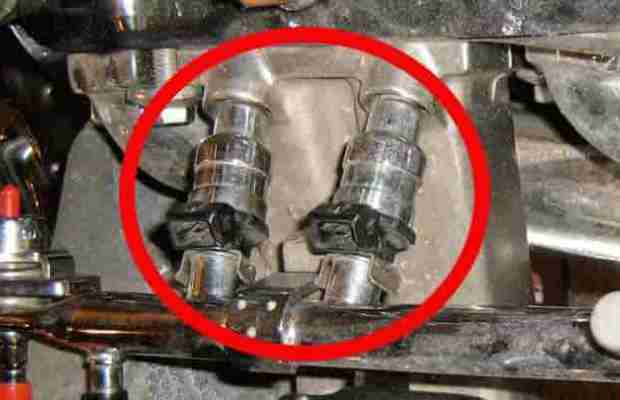
Yes, a bad fuel injector can damage your car’s engine to the extent that the car can no longer operate unless it is repaired. Normally, before a bad fuel injector damages your car’s engine, you will receive many signs and symptoms like the ones we discussed above.
So take the time to observe all the signs so you know what is triggering a specific problem.
Usually, a faulty fuel injector on an older car model will show signs that cause a cylinder misfire.
This is due to the new fuel injection structures; the injectors operate in sequence, so if the car’s engine misses a dose of fuel, it will not run properly and could suffer damage over time.
This is less problematic on older cars running with simultaneous injection systems.
And that’s because good fuel injectors can sometimes compensate for weaker injectors, allowing the engine to recover its sequence more quickly.
Conclusion on 5 Common Symptoms of Fuel Injector Problems
In this article, we have shown you 5 common symptoms of fuel injector problems and provided you with solutions. We also discussed what happens when fuel injectors fail and the time required to replace fuel injectors. Finally, we showed you how to replace a fuel injector. I hope it was