

How to know if the car ignition coil is faulty? When it exhibits erratic behavior and does not function properly. The coil powers the spark plugs from the generator. It ignites the fuel and provides the engine with enough power to operate the vehicle. If it fails, your car will have difficulty starting. Therefore, you need to know the symptoms of a bad ignition coil to identify the problem and take necessary measures.
What is the purpose of an ignition coil in your car?
The ignition coil, an essential component of the car’s engine system, is a key element of the vehicle’s ignition system. Its main function is to provide high-voltage electrical pulses to the spark plugs, which in turn ignite the air-fuel mixture in the engine’s combustion chambers.
By converting the approximately 12 V voltage from the car’s electrical system into a significantly higher voltage range of 15,000 to 20,000 V, and sometimes even reaching 50,000 to 75,000 V through electromagnetic induction, the ignition coil generates powerful sparks capable of crossing the gap inside the spark plug.
These sparks, in conjunction with the ignition system, trigger the ignition of fuel in the combustion chamber. Therefore, its efficient operation is crucial for engine performance, fuel efficiency, and the overall drivability of the vehicle.
7 Symptoms of a Bad Ignition Coil
There is a dedicated ignition coil for each of the spark plugs. They are connected either directly or via wires. The spark plugs require about 15,000 to 20,000 volts of electricity to create the necessary spark to ignite the fuel.
However, over time, the ignition coil can suffer from deterioration, burning out, or complete failure, which compromises its performance. And you should note that even a slight problem can lead to major issues.
When the coil begins to show signs such as weak sparks, ignition failure, or incorrect ignition timing, it can result in decreased engine performance or even engine stalling. At this point, it becomes necessary to replace the faulty ignition coil.
Let’s learn the symptoms of a bad ignition coil to keep your car healthy and trouble-free:
1. Backfiring
This is one of the first symptoms, and acting during this period will help you avoid costly repairs later. Watch for the emission of black smoke and the smell of gasoline when starting the engine. Ignoring it can eventually damage the exhaust system.

2. Engine Misfires
This happens when the coils are failing. The engine will make coughing noises and cause rough driving at high speed due to shaking and sputtering. Your car will not have enough power when driving. Failing coils will also cause vibrations at idle.
3. Engine Starting Problem
This is obvious because ignition coils help the engine start. So, any problem with them will affect this function. You can be certain that the problem is with the coils when the car has difficulty starting in cold weather.
4. Hard Engine Starting
Some models use a single coil to create the ignition spark. Thus, all cylinders will be affected if the coil malfunctions. The engine cranks but there is no spark and the car does not start.
5. Check Engine Light Code On
Symptoms of a bad ignition coil also include the illumination of the check engine light code located in the instrument cluster. The common code is P0351, which indicates a malfunction in the primary or secondary level circuit in the ignition coil. When this happens, you need to check the problem using a diagnostic tool.
It will be a DTC light that comes on if you are driving a BMW model.
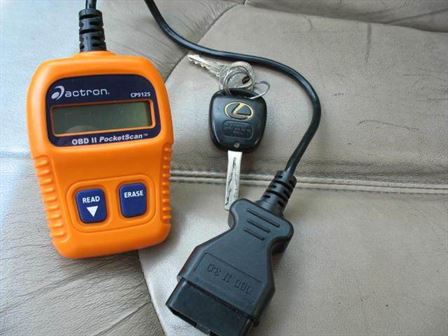
6. The Vehicle Stalls
This trouble is another consequence of driving with a failing ignition coil. It leads to the creation of irregular sparks in the spark plugs, preventing the vehicle from getting enough power. Thus, the car may stall frequently and stop at some point. In this case, you need to restart it.
7. Poor Fuel Economy
A faulty ignition coil cannot provide the required power to the spark plugs. As a result, the car struggles to start the engine and consumes more fuel to compensate for the lost power. The consequence? Losing mileage per gallon.
To learn more about the symptoms of a bad ignition coil, check out this article:
Should all ignition coils be replaced at the same time?
Each cylinder has its own ignition coil, and if one coil fails, it will not affect the operation of the other coils or cylinders. Moreover, the coils originally supplied with the engine have often been thoroughly tested and determined to be compatible with the engine.
If you replace another coil whose quality has not been tested or is incompatible, it will reduce engine performance. Therefore, if checking the ignition coils reveals that only a few coils are malfunctioning or damaged, drivers should not replace all coils but simply replace the faulty ones.
Our conclusion is “It is not always necessary to replace all ignition coils at the same time. Generally, it is recommended to replace only the faulty or failing ignition coil.
Additionally, it is important to know that ignition coils have a limited lifespan. Therefore, as the vehicle approaches the manufacturer’s recommended operating period, as indicated in the technical specifications, the car owner should consider replacing the coils. This ensures optimal engine performance and safety.
Generally, the appropriate time for replacement is between approximately 193,000 and 240,000 km. During routine vehicle maintenance, car owners can consult technicians to assess the functionality of the coils and determine the most accurate timing for replacement.
Wrap Up
In conclusion, recognizing the symptoms of a faulty ignition coil in a car is crucial. Regular maintenance and periodic checks of the ignition system can help quickly identify and resolve any ignition coil issues, thereby promoting the vehicle’s longevity and reliability.