
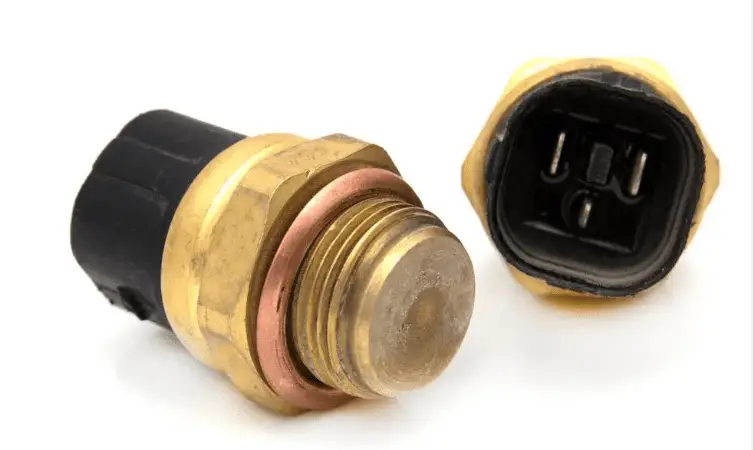
The purpose of the engine oil pressure sensor is to measure the amount of oil pressure in your car to optimize fuel injection, ignition timing, and other critical engine parameters. This sensor plays a crucial role in your engine, so what are the common signs of a faulty engine oil pressure sensor? Let’s explore the potential causes of its failure and the implications this can have on the vehicle’s operation.
What Does the Oil Pressure Sensor Do in Your Car?
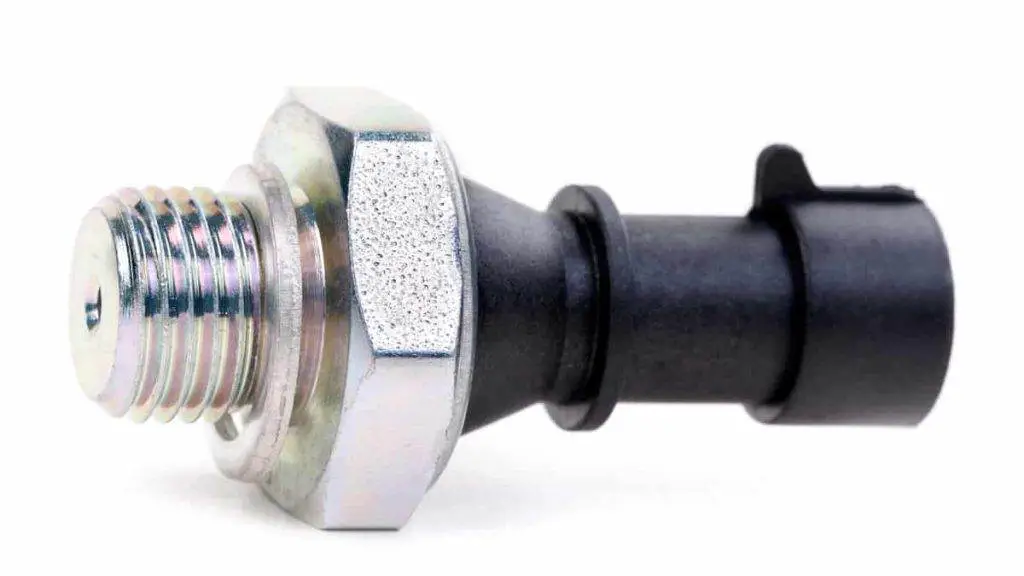
The oil pressure sensor, also known as the oil pressure switch, primarily functions to monitor the oil pressure in the car’s engine and sends data to the ECU or the instrument cluster. From there, the driver can easily know the amount of fluid pumped into the system. If the oil is pumped correctly, it will provide good lubrication, reduce friction, and dissipate heat. Depending on the pressure level, the ECU will send a signal to illuminate the warning light on the dashboard so the driver is aware and can take timely action.
It is clear that the oil pressure sensor has two obvious functions:
- Ensure the engine receives adequate oil pressure for proper lubrication.
- This sensor serves as a safety device by warning the driver if the oil pressure drops below a certain threshold.
So, where is the oil pressure sensor located in your car? The oil pressure sensor is typically located near the engine’s oil pump or on the engine block, and it is connected to the engine control unit (ECU) or the instrument cluster.
3 Symptoms of a Faulty Oil Pressure Sensor to Know
As an important element of the car’s sensor system, directly affecting your car’s starting and acceleration process, the oil pressure sensor needs to function correctly. If a problem occurs with this sensor, the ECU cannot do a good job of controlling the engine. A malfunction in oil pressure can manifest through various signs. Here are the symptoms of the oil pressure sensor:
- Oil Pressure Sensor Warning Light
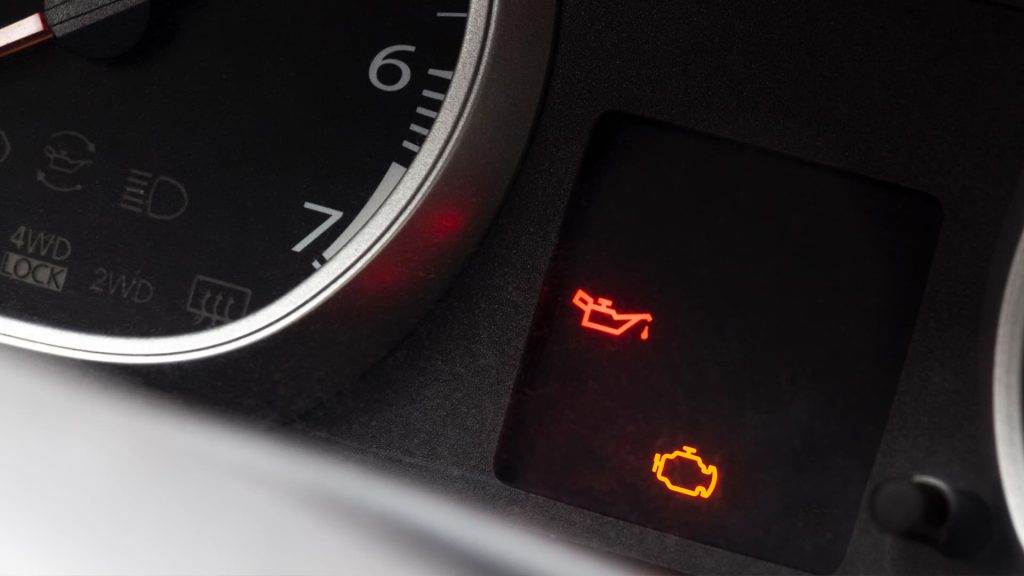
One of the most obvious indications is the illumination of the oil pressure warning light on the car’s dashboard. This light usually resembles an oil can or an oil drop. If the light comes on but the engine oil is still at the standard level, the cause might be a faulty sensor. If this sensor malfunctions, the results obtained will be inaccurate. In some cases, it also indicates that the oil pressure has dropped below the recommended level.
- Errors in the Oil Pressure Gauge
Currently, most new cars are equipped with an oil pressure gauge on the dashboard to provide drivers with information about oil pressure. If you detect that the gauge indicates a very low oil pressure level or fluctuating values, it means the oil pressure system is faulty. This affects the system’s operation, reducing the accuracy of the displayed results. This is one of the common signs of a problem with the oil pressure sensor. Please note that a properly functioning oil pressure gauge should display stable pressure within the normal range. Any deviation from the normal reading may indicate a problem.
- Check Engine Light
The engine control unit (ECU) monitors various sensors, including the oil pressure sensor, to ensure the engine operates within optimal parameters. If the ECU detects a problem with the oil pressure sensor, it may trigger the “Check Engine” light to alert the driver of a potential issue.
When the oil pressure sensor malfunctions, it may send incorrect signals or no signal to the ECU. As a result, the ECU may interpret this as an engine oil pressure problem and trigger the “Check Engine” light.
However, the “Check Engine” light can illuminate for various reasons, so it’s best to entrust the diagnosis to trusted mechanics to retrieve the specific error codes stored in the ECU.
If the diagnosis confirms that your oil pressure sensor is faulty, you can apply several methods:
- Monitor the engine oil pressure: Ensure the oil pressure readings are within the normal range.
- Check the oil level: Inspect that the engine oil level is within the recommended range.
- Replace the oil pressure sensor if necessary.
How to Replace a Faulty Engine Oil Pressure Sensor?
Replacing with a new oil pressure sensor is the recommended method if this sensor has a problem. Here is a general step-by-step guide for changing the oil pressure sensor that you can refer to if you have a faulty one:
Step 1: Prepare the Necessary Tools
Before starting the process, the car owner should gather the necessary tools for the job, such as a set of screwdrivers, a soft towel, specialized sealant, and a set of wrenches.
Step 2: Locate the Sensor
Depending on the vehicle’s engine design, type, and structure, the location of the pressure sensor on each car may differ. Generally, this sensor is installed near the bottom of the cylinder head, inside the engine block, or near the oil pump. You can read the owner’s manual to find the exact position of the sensor.
Step 3: Disconnect the Car Battery
To prevent any electrical accidents, disconnect the negative terminal of the vehicle’s battery. In the next step, you need to carefully disconnect the electrical connector from the oil pressure sensor. You may need to press or squeeze a locking tab to release it.
Step 4: Remove the Oil Pressure Sensor
Next, the driver should use a wrench or socket to remove the oil pressure sensor to inspect and determine the cause of the damage. The oil pressure switch is installed where there is pressurized oil, so repairers must be extremely careful when doing this. Take note of any sealing washers or O-rings that might need replacement.
Step 5: Replace it with a New Sensor
After completing all these steps, proceed to install the new sensor in the correct position and tighten it. Then, install the electrical connector after tightening it with a wrench. Secure the electrical connector to the new oil pressure sensor, ensuring a secure connection. Finally, the car owner simply needs to start the engine and observe the oil pressure indicator to ensure the sensor is functioning stably again. Additionally, check for any oil leaks around the sensor area.
Watch more:
FAQ
What Does Low Oil Pressure Mean in Your Car?
When the engine is running, oil pressure is typically between 2.5 and 4 kg/cm² (depending on the vehicle model). At idle, the pressure level is usually below 0.5 kg/cm². Normal oil pressure always remains stable at this level. Low oil pressure indicates that the amount of oil in the system is not sufficient for lubrication, leading to high engine friction and rapid engine wear. Not addressing this issue in time can result in vehicle overheating, loud noises, and damage to components such as the crankshaft.
How to Check if an Oil Pressure Sensor is Working?
If you have access to an oil pressure gauge, you can perform a manual oil pressure test. This involves removing the oil pressure sensor and connecting the gauge in its place. Start the engine and check the oil pressure on the gauge. Compare the reading to the specifications provided in the vehicle’s manual. If the reading is significantly different or inconsistent, it may indicate a problem with the sensor or the oil system.
Another method you can try is using a multimeter: Set your multimeter to the resistance setting (ohms). Connect the multimeter probes to the terminals of the oil pressure sensor. Specific resistance values vary depending on the sensor and engine specifications. Consult the vehicle manual for the expected resistance range. If the resistance falls outside the acceptable range, it may indicate a faulty sensor.
Can a Faulty Oil Pressure Sensor Cause an Oil Leak?
A faulty oil pressure sensor or other components associated with the oil pressure system can develop leaks. If you notice puddles or drops of oil under the vehicle or detect a burning oil smell, it could indicate an oil leak caused by poor oil pressure. Another case is if the oil pressure sensor is not properly tightened during installation or if the sealing washer or O-ring associated with the sensor is damaged or worn, it can result in an oil leak around the sensor area.