
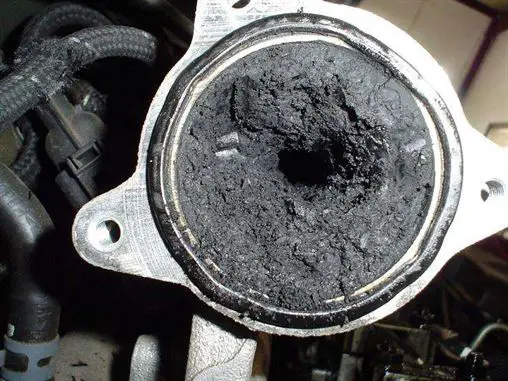
The function of the Exhaust Gas Recirculation (EGR) valve is to recirculate engine emissions. This helps these gases return to the combustion chamber instead of directing them to the exhaust system. The EGR system is crucial for reducing carbon emissions. As a concerned driver, you must be aware of the symptoms of a faulty EGR valve to avoid contributing to environmental pollution.
What are the functions of the EGR system?
Present in most gasoline and diesel engines, the EGR system controls vehicle exhaust emissions. Including it as part of the vehicle is a standard government regulation that manufacturers must comply with.
The EGR system reduces combustion temperatures in the cylinder, which results in decreased emissions and releases fewer nitrogen oxides (a pollutant). The working mechanism involves creating a diluted air-fuel mixture by allowing a measured amount of exhaust gas into the engine. Such a mixture lowers the combustion temperature by up to 300°F by burning more slowly.
The EGR valve is the main component of the EGR system. It regulates the amount of exhaust gas passing into the engine’s intake manifold. Be aware of the symptoms of the EGR valve as they indicate that your car is emitting more pollutants than the approved limit.
Symptoms of a Bad EGR Valve
What problems does a faulty EGR valve cause? Recirculation is designed to take place when the engine is at the optimal temperature to function properly. The engine underperforms or has issues when EGR occurs at the wrong time or does not occur at all.
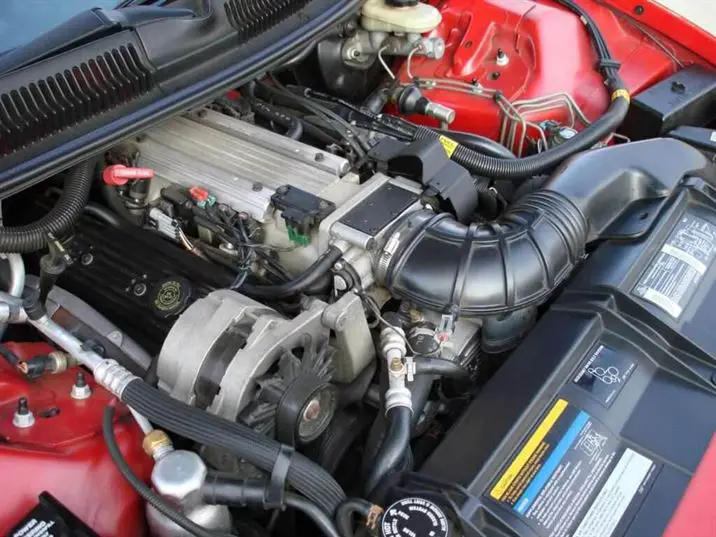
What are the symptoms of a faulty EGR valve? Well, EGR problems depend on whether the valve is stuck closed or stuck open. These are the symptoms of a faulty EGR valve you need to be aware of.
Below Average Engine Performance
Since the EGR valve monitors the volume of exhaust gas entering the engine, it is obvious that any issues with it will affect engine performance.
You may experience reduced engine power when pressing the accelerator pedal or encounter acceleration difficulties. The long-term effects of these problems are poor fuel economy and the vehicle consuming more fuel than necessary.
This happens due to an incorrect air/fuel ratio. As a result, the engine needs more fuel to produce power.
The Engine Warning Light Comes On
It seems so obvious! The light flashes when there is a problem with the engine and will therefore illuminate if the EGR valve fails.
The Engine Control Unit (ECU) monitors the activities of all engine components. It activates the light when it detects that the valve is not performing its normal function.
The Engine Idles Roughly
A faulty EGR valve fails to control the volume of exhaust gas entering the chamber. Since it remains in a closed or open position, the exhaust gases in the chamber are either too low or too high, causing the engine to idle roughly.
Fuel Smell
The smell of fuel inside the car’s cabin is one of the most obvious symptoms of a bad EGR valve. The smell is so strong that it can be harmful to health. The gasoline stench results from the engine consuming more oil than necessary, leading to more hydrocarbons being released from the exhaust pipe.
Emission Test Failure
A functioning EGR valve reduces a vehicle’s emissions. If it fails, the exhaust pipe will release more pollutants than the approved level. Most countries require a vehicle emission test every six months. Check the EGR system if your car fails the test.
Warning Signs Based on EGR Valve Position
You already know that all problems occur for two reasons: the EGR valve has remained open or has remained closed. Thus, it is possible to divide the symptoms of a faulty EGR valve into two categories:
EGR Valve Stuck Open
An open EGR valve allows exhaust gases to enter the engine but at the wrong time. Common warning signs to look for are:
- Rough idling
- The engine does not start
- Engine stalling and hesitation
- The check engine light comes on
EGR Valve Stuck Closed
A closed valve does not allow exhaust gases into the engine at all. As a result, the temperature in the combustion chamber increases and creates various problems. Common symptoms are:
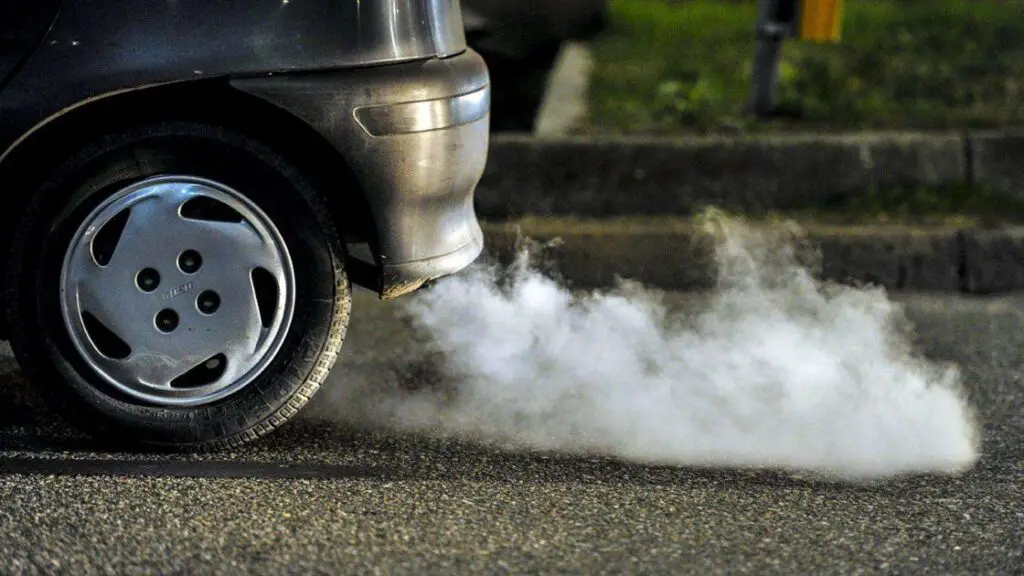
- Exhaust gas emissions increase
- Knocking at cruising speeds
- Engine knocking
- An illuminated check engine light
How to Fix EGR Valve Problems
Even if your car shows the symptoms of a faulty EGR valve, it doesn’t mean you have to replace it. You should test it before scrapping it.
You can inspect a vacuum-operated EGR valve with a portable vacuum pump, while a diagnostic scan tool is needed to test an electronic EGR valve. It is best to take the car to a maintenance workshop when symptoms appear.