

Although Honda vehicles are known for their reliability and performance, like any complex machinery, Honda vehicles are not immune to occasional issues, and the Honda emission system problem is one of them. Whether you own a Honda Civic, Accord, CR-V, or any other Honda model, you may have encountered the emission system issue. Let’s delve deep into the world of Honda emission system problems and discover how to effectively resolve them.
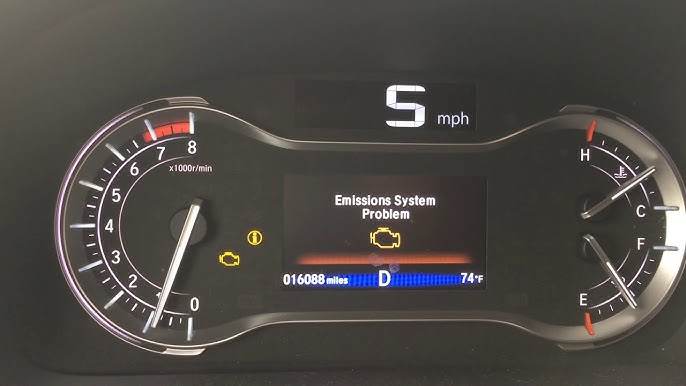
What does the emission system problem on Honda mean?
When you encounter an “emission system problem” in a Honda vehicle, it refers to an issue or malfunction within the vehicle’s emission control system. As in any other vehicle model, Honda’s emission system is designed to reduce harmful pollutants released into the atmosphere as a result of the combustion process.
The emission control system of a Honda is structured around various components that work together to minimize the release of pollutants such as nitrogen oxides (NOx), carbon monoxide (CO), and hydrocarbons (HC). These components include oxygen sensors, the catalytic converter, the exhaust gas recirculation (EGR) valve, the evaporative emission control system (EVAP), and more.
When Honda’s onboard diagnostic system detects a problem or deviation from the expected performance of emission control components, it triggers the “emission system problem” warning or the check engine light on the dashboard.
When the “check Honda emission system” light illuminates on the Honda’s dashboard, it implies that the Honda emission system is not functioning properly. Sometimes, it could be a simple issue like a loose gas cap, but you should also perform a quick diagnosis as soon as possible.
Learn more about Honda Civic emission control system problems:
Honda Emission System Problem: What are the Symptoms?
The symptoms of the Honda emission system can vary depending on the specific issue affecting the emission control system. Here are some common signs to watch for:
Check Engine Light
The most obvious symptom of a Honda emission system problem is the illumination of the check engine light on the vehicle’s dashboard with the message “check emission system.” The check engine light serves to warn that a problem has been detected. However, it does not provide specific details about the exact issue, so it’s important to have the vehicle scanned for diagnostic trouble codes (DTCs) to identify the specific problem.
Failed Emission Test
If you live in an area where periodic emission tests are required, an emission system problem can cause your Honda to fail the test. Failing emission tests is often due to increased levels of pollutants emitted by the vehicle, indicating an issue with the emission control system.
Unusual Exhaust Smoke
Pay attention to the color and consistency of the exhaust smoke coming from the tailpipe. In some cases, an emission system problem can make the exhaust smoke thicker, darker, or have an unusual color. If you notice excessive white smoke, black smoke, or a strong smell in the exhaust, it may indicate a problem.
Reduced Fuel Efficiency
Another symptom of a failing Honda emission system can also lead to decreased fuel efficiency. When you notice that your Honda is consuming more fuel than usual or you need to refuel more frequently, it could be a sign of an emission system problem.
How to Fix the Honda Emission System Problem?
Whenever you notice the “check emission system” error message on your Honda dashboard or any other symptom listed above, it’s time to repair or diagnose the emission system. How could you proceed to fix it?
Before delving into the details of the methods, we will discover what causes the Honda emission system problem:
- Faulty catalytic converter
- EGR system issues
- Fuel system problem
- Evaporative Emission Control System (EVAP) leaks
…
When you encounter an emission system problem on your Honda, it’s important to address it promptly. Ignoring or neglecting this issue can lead to serious damage, potentially causing the vehicle to fail emission tests or not comply with environmental regulations.
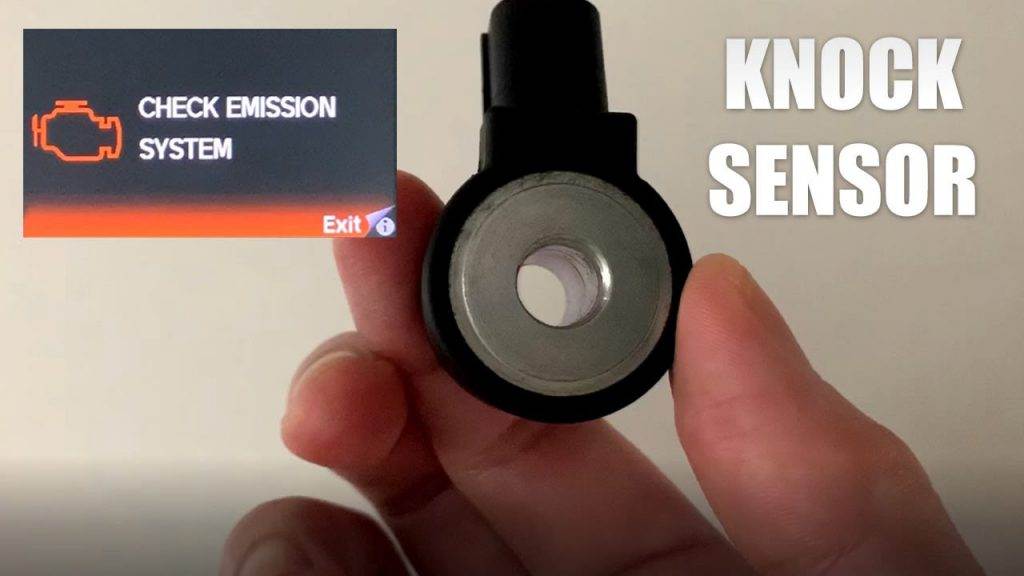
Retrieve Diagnostic Trouble Codes (DTCs)
When the check engine light comes on, it indicates that the vehicle’s onboard diagnostic system has detected a problem. The first step is to use a diagnostic scanner to retrieve the DTCs associated with the emission system problem. These codes provide specific information about the component or system experiencing the issue.
Check Other Parts of the Emission System
You can inspect the various components of the emission control system to identify any visible signs of damage or malfunction. This may include checking the oxygen sensors, catalytic converter, EGR valve, EVAP system, and other related components.
Clear DTCs and Test
Once repairs or component replacements are done, you can clear the DTCs from the vehicle’s onboard diagnostic system. The vehicle will then be tested to ensure that the emission system problem has been resolved. This may involve a road test or using specialized equipment to verify that the system is functioning correctly and emissions are within acceptable limits.
Final Thoughts
It is important to note that all the information we have shared about emission issues may not be specific to all Honda vehicles; it will depend on each model and year. Proper diagnosis by a qualified technician is crucial to identify the exact cause of the emission problem in a specific Honda vehicle. If you have any concerns, feel free to leave a comment in the box below!