
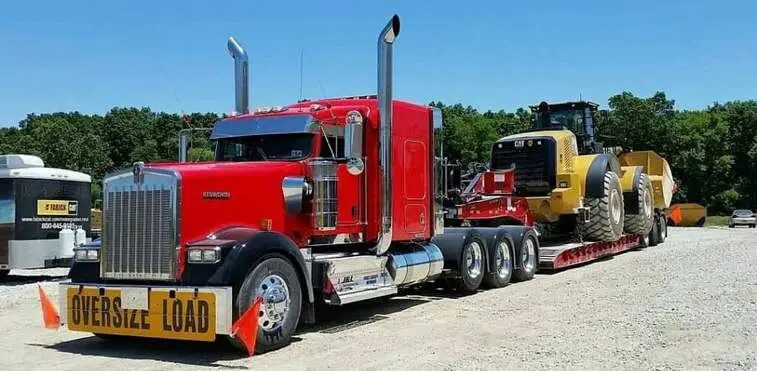
In the logistics and transportation sector, efficiency and reliability begin with choosing the right equipment. For heavy loads, oversized freight, or irregularly shaped cargo, few options offer as much flexibility as a flatbed trailer, particularly the standard 53-foot flatbed trailer, a cornerstone of road freight transport in North America. Whether you operate a fleet or are simply looking to increase your transport capacity, understanding flatbed trailer options is essential for optimizing performance, safety, and return on investment.
What is a Flatbed Trailer?
A flatbed trailer is a long, open platform without sides or a roof, making it ideal for transporting goods that do not easily fit into enclosed trailers. Designed for maximum accessibility, they allow for loading and unloading from all angles, perfect for large equipment, metal structures, and bulky cargo. The 53-foot flatbed trailer is the industry standard for commercial loads in the United States, offering an ideal balance between cargo volume and compatibility with freight infrastructure.
The Different Types of Flatbed Trailers
Not all flatbed trailers are created equal. Depending on your cargo, you might consider:
Standard Flatbed
Measures 48 to 53 feet long. Ideal for palletized freight and general cargo.
Step Deck (or Drop Deck)
Features a lower floor for taller cargo that exceeds standard height limits.
Double Drop Deck
Offers an even lower central section (“well”) for transporting extremely tall items like construction machinery.
Extendable Flatbed Trailer
Ideal for long loads like beams or steel pipes, these trailers can be adjusted in length.
Steel vs. Aluminum: Which Material to Choose?
The material is crucial when choosing a trailer:
Steel Trailers: Known for their durability and affordable price. Better suited for very heavy loads but add significant weight, which can impact fuel consumption.
Aluminum Trailers: Lighter and corrosion-resistant. Higher initial cost but can reduce long-term expenses in maintenance and fuel.
Hybrid Trailers: A mix of a steel chassis and an aluminum floor, combining robustness and reduced weight. If fuel economy and weight limits are concerns, aluminum or hybrid options may offer better long-term value.
Safety and Compliance
Safety must always be a top priority when using or loading a flatbed trailer. Ensuring proper securement methods, good weight distribution, and securing oversized loads is essential for driver safety and regulatory compliance. For the latest rules, consult the FMCSA’s Official Cargo Securement Regulations.
Finding the Right Trailer for You
Choosing the right flatbed trailer goes beyond just size. It’s about matching your trailer to your cargo types, transport frequency, and geographic coverage. Flatbed trailers remain a vital part of the commercial transport industry. Their open-deck design, high load capacity, and versatility make them the preferred choice for a wide range of shipments.