
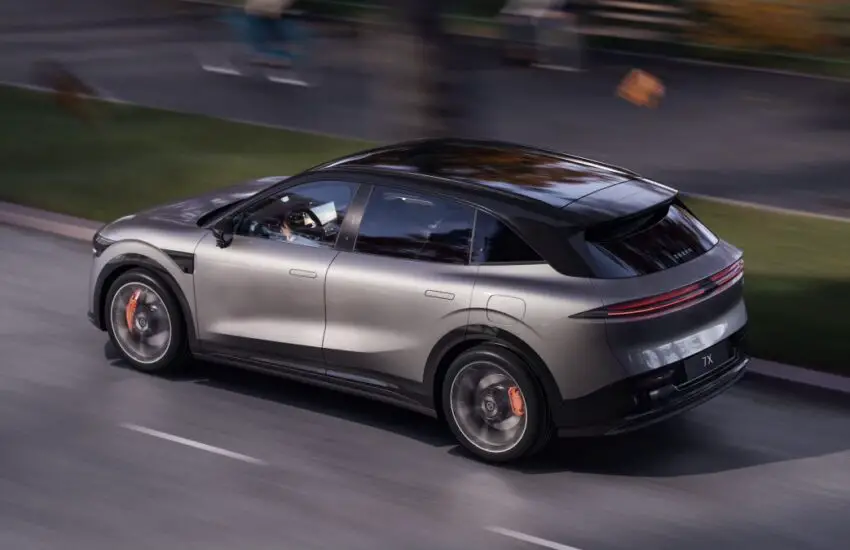
A New Chapter in the US Auto Industry
The competitive landscape of the American automotive market is poised for a significant shift. Industry analysts and recent statements indicate that major Chinese automakers are actively planning to establish manufacturing operations on US soil within the next two to three years. This strategic move aims to overcome tariff barriers and cater directly to the evolving demands of American consumers.
Overcoming Barriers and Building Local Presence
The primary motivation for this localized production strategy is to navigate the complex trade environment and high import tariffs currently applied to Chinese-built vehicles. By setting up assembly plants in the United States, these manufacturers can significantly reduce costs and improve price competitiveness for the end consumer. Furthermore, a “built in America” approach can enhance brand perception and align with consumer preferences for domestically produced goods.
Focus on Electric Vehicles and New Technology
This anticipated manufacturing push is expected to be heavily focused on electric vehicles (EVs) and plug-in hybrids. Chinese brands have demonstrated considerable strength and innovation in the EV sector, offering advanced battery technology, smart connectivity features, and competitive pricing. Their direct entry into the US manufacturing scene would intensify competition, potentially accelerating innovation and providing consumers with more choices in the growing electric vehicle segment.
Challenges and Market Adaptation
While the plans are ambitious, Chinese automakers will face considerable challenges. Establishing a reliable supply chain, adhering to stringent US safety and environmental regulations, and building a trusted brand reputation from the ground up are significant hurdles. Success will depend not only on cost-effective manufacturing but also on deeply understanding American driving habits, design preferences, and establishing a robust sales and service network.
Reshaping Global Automotive Dynamics
The potential arrival of Chinese-owned production facilities in the United States marks a pivotal moment in global automotive dynamics. It represents a shift from pure import competition to direct local investment and job creation. This development could pressure established automakers to further innovate and may lead to increased collaboration or partnerships across the industry, ultimately reshaping how cars are built and sold for the American market.