
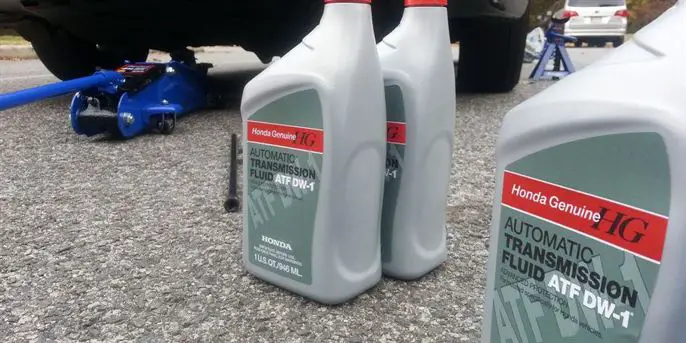
Automatic transmission fluid serves two essential roles: lubrication and cleaning. The fluid circulates through various components to reduce friction between them and collect sediments that can circulate in the system and cause damage.
Role of Automatic Transmission Fluid (ATF):
- Lubrication of the transmission’s moving parts.
- Cleaning and removal of sediments and contaminants.
Why Change ATF?
- Ensure proper operation and longevity of the transmission.
- Avoid costly transmission problems.
Signs Indicating the Need to Change ATF:
- Unusual gear shifts (jerking, slipping).
- Dark or burnt color of the fluid.
- Burnt smell of the fluid.
- Low fluid level.
Steps for Changing ATF:
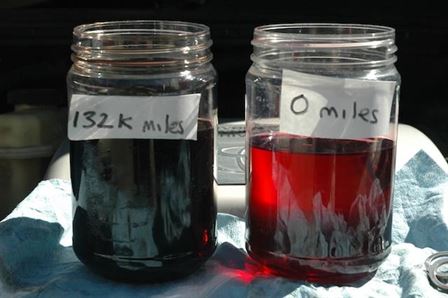
- Check the type of ATF recommended by the manufacturer.
- Drain the old ATF.
- Replace the ATF filter (if applicable).
- Flush the transmission system (optional).
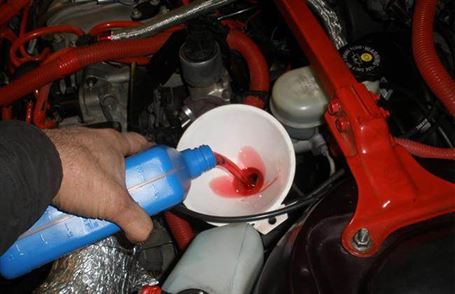
- Fill the system with new ATF.
- Check the fluid level and adjust if necessary.
Important Points to Remember:
- Use the type of ATF specified by the manufacturer.
- Carefully follow the instructions in the vehicle’s manual.
- Clean the torque converter during flushing.
- Properly seal the transmission pan.
Benefits of Changing ATF:
- Improved transmission performance.
- Reduced wear and tear.
- Extended transmission lifespan.
- Improved fuel economy.
Frequently Asked Questions (FAQ):
What type of ATF should I use?
Consult your vehicle’s manual for the recommended type of ATF.
How to check the ATF level?
Refer to your vehicle’s manual for specific instructions.
Can changing ATF improve fuel economy?
Yes, changing ATF can improve fuel economy by optimizing transmission operation.
Should I do a complete flush or a simple ATF change?
A complete flush replaces more fluid than a simple change. The choice depends on your vehicle and its condition.
Should the ATF filter be changed at the same time as the ATF?
It is generally recommended to change the ATF filter when changing the ATF.
Is it necessary to change ATF if it is synthetic ATF?
Yes, even synthetic ATF degrades over time. Change intervals may be longer, but a change is still necessary.
How to dispose of old ATF?
Take the old ATF to a recycling center or hazardous waste disposal facility.
What to do if I accidentally use the wrong type of ATF?
Have the ATF drained and replaced with the correct type by a professional.
Can changing ATF solve transmission problems like slipping or harsh shifting?
Changing ATF can improve transmission performance, but it may not solve all problems. Consult a professional for diagnosis and repair.
Can I tow a trailer immediately after changing ATF?
It is advisable to drive your vehicle for a short period after changing ATF to check for leaks and issues before towing a trailer.
Can I use a generic ATF or should I use the manufacturer’s brand?
It is generally better to use the ATF brand recommended by the manufacturer. However, some generic brands may be compatible; check approvals and compatibility before using them.
Conclusion:
Changing ATF is an important part of your vehicle’s maintenance and can contribute to the longevity and performance of the transmission. It is important to follow the manufacturer’s recommendations and use the appropriate type of ATF for your vehicle.