
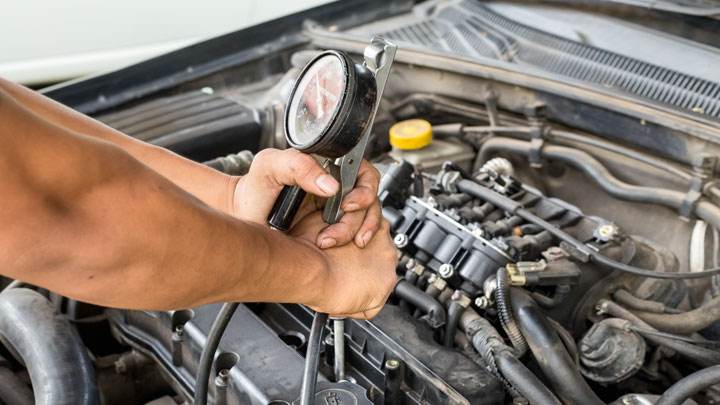
In this article, we will examine some common causes of diesel power loss during acceleration and explore potential solutions to address it!
A car’s engine generates power by combining air and fuel to initiate combustion. The energy generated by this combustion is then transmitted to the vehicle’s wheels, propelling the car forward.
The engine’s main role is to execute this process consistently with optimal efficiency. Nevertheless, for various reasons, the engine may lose power, leading to decreased performance.
Reasons Why Diesel Cars Lose Power During Acceleration
Faulty Fuel Filter
The fuel filter plays a crucial role in filtering the fuel before it enters the engine. When the fuel filter is clogged, it hinders the fuel flow to the engine, resulting in decreased engine performance. You may notice a lack of power during acceleration and occasional jerking.
To resolve this issue, locate the fuel filter, which is found in the engine compartment or near the fuel tank in your car’s trunk. If you have the necessary skills, replace the clogged fuel filter yourself or take your vehicle to a local mechanic to have it replaced.
Clogged Air Filter
For the proper functioning of the engine, clean air is essential. If dust and other particles infiltrate the combustion chamber, it can damage the engine.
To ensure a continuous flow of clean air to the engine, an air filter is used. However, this filter becomes ineffective after about 15,000 to 30,000 miles, depending on driving conditions.
Neglecting to replace the air filter when needed will lead to a noticeable drop in your car’s performance.

Clogged Exhaust System
The role of the exhaust system is to expel harmful and unnecessary gases from the engine. The faster these gases are expelled, the sooner the engine can initiate combustion, resulting in increased engine power.
Conversely, obstructions such as a restrictive catalytic converter or a clogged exhaust harm engine performance.
Although aftermarket cleaners can resolve clogged catalytic converters, using a quality fuel system additive every 3,000 miles can help reduce the contaminants that lead to clogging in the first place, thus eliminating the need for unclogging.
MAF Sensor Malfunction
The Mass Air Flow (MAF) sensor measures the air intake required for acceleration.
It transmits this measurement to the Engine Control Unit (ECU), which adjusts the throttle accordingly. A faulty MAF that inaccurately measures airflow can lead to significant power loss.
These sensors can deteriorate due to heat and dust buildup. Regularly cleaning them with specialized products can improve their functionality and, consequently, engine efficiency.
Oxygen Sensor Malfunction
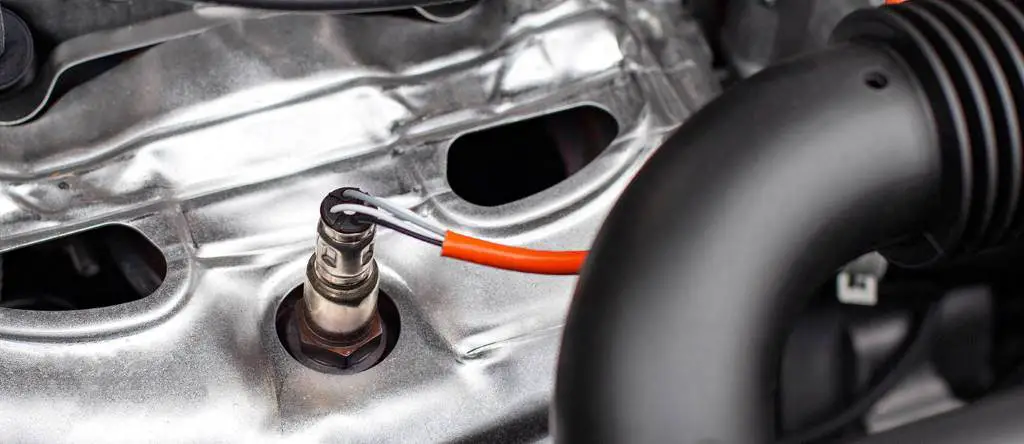
While the MAF measures incoming air, the oxygen sensor measures the gases exiting the engine. It is typically located in the exhaust pipe. When MAF readings align with oxygen sensor readings, it indicates your car is running well.
The oxygen sensor also impacts the fuel injection system, making its proper functioning crucial for your car’s performance.
A faulty oxygen sensor can lead to a rich air-fuel mixture, which harms fuel economy. Fortunately, replacing this sensor is relatively inexpensive and simple.
Carbon Buildup on Fuel Injectors
Fuel injectors play an essential role by introducing fuel into the combustion chamber under high pressure, similar to a spray.
Precise fuel delivery is crucial for proper combustion, as even a slight miscalculation can disrupt the combustion cycle, leading to power loss or, in extreme cases, damaged pistons.
Carbon buildup, often caused by poor-quality fuel, can hinder the injectors’ ability to spray fuel into the cylinders, resulting in decreased performance. This issue can be resolved by using a high-quality fuel system cleaner.
Weak Fuel Pump
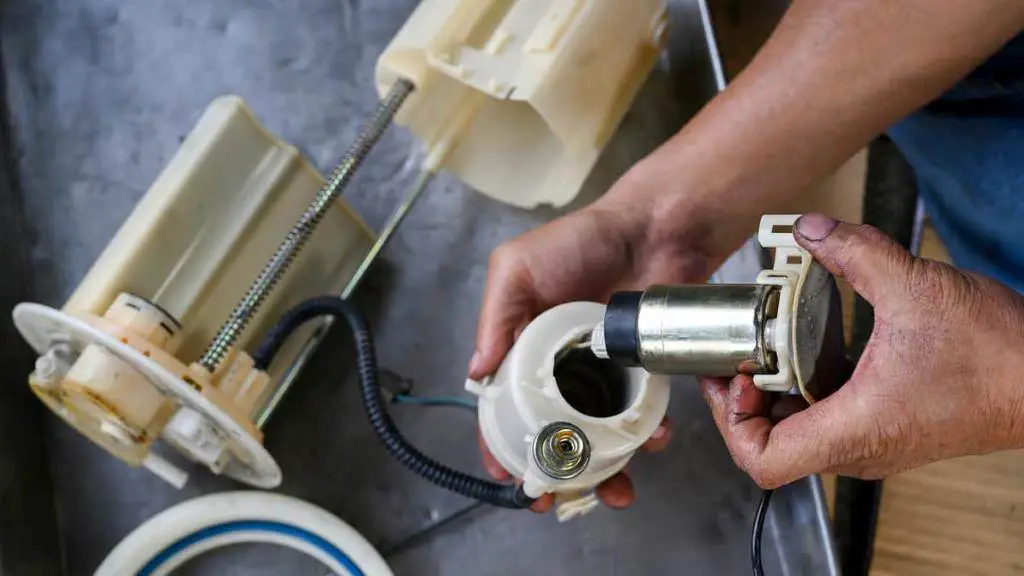
The main function of the fuel pump is to supply fuel from the tank to the engine, which requires sufficient pressure. Insufficient pressure can prevent the fuel injectors from delivering the correct amount of fuel to the combustion chamber, leading to diesel power loss during acceleration.
Even if a faulty fuel pump doesn’t cause issues at low speeds, it can hinder rapid acceleration. Fortunately, replacing a fuel pump is a straightforward process.
FAQ
- Are there engine-related issues that can cause diesel power loss during acceleration?
Yes, engine problems such as worn piston rings, damaged valves, or a faulty turbocharger can lead to power loss. It is essential to perform a comprehensive engine inspection to identify such issues.
- How can I prevent power loss in my diesel engine during acceleration?
Regular maintenance, including changing fuel filters, cleaning or replacing air filters, and adhering to the manufacturer’s recommended service intervals, can help prevent power loss.
Additionally, using high-quality fuel and avoiding overloading the engine can also contribute to better performance.
- What role does the turbocharger play in diesel engine power loss during acceleration?
The turbocharger increases the intake air pressure, thereby enhancing engine performance. If the turbocharger is faulty or not functioning properly, it can lead to power loss during acceleration.
- How can I identify a faulty turbocharger as a cause of power loss?
Symptoms of a faulty turbocharger can include excessive exhaust smoke, unusual noises (such as whining or grinding), and decreased power. A professional mechanic can perform tests and inspections to diagnose turbocharger issues.
- Can a faulty EGR (Exhaust Gas Recirculation) system affect the power of a diesel engine?
Yes, a faulty EGR system can lead to power loss by recirculating excessive exhaust gases, which can reduce the availability of fresh air for combustion. This can result in reduced engine power.
- What signs should I look for to determine if the EGR system is causing power loss?
Signs of EGR-related issues can include rough idling, increased exhaust emissions, and a lack of power during acceleration. A diagnostic scan or inspection by a mechanic can confirm EGR system problems.
Watch this video from 8020 Media for more information on the causes and solutions for a vehicle losing power during acceleration in general!
- Can a dirty or faulty Mass Air Flow (MAF) sensor affect diesel engine power during acceleration?
Yes, a dirty or faulty MAF sensor can provide incorrect data to the Engine Control Unit (ECU), leading to inappropriate air-fuel mixture ratios and reduced power.
- What should I do if I suspect a faulty MAF sensor is causing power loss?
Cleaning or replacing the MAF sensor can resolve the issue. Consult your vehicle’s maintenance manual for specific instructions on MAF sensor maintenance.