
A New Frontier for Electric Commercial Vehicles
The landscape for electric utility vehicles is shifting with the introduction of CATL’s latest innovation. The global battery leader has officially launched its new “Tianxing II” series, a sodium-ion battery platform engineered specifically for the demanding world of commercial transport. This move signals a strategic push to overcome the most significant barriers to electric adoption in sectors like logistics, delivery, and public transit.
Conquering Extreme Temperatures
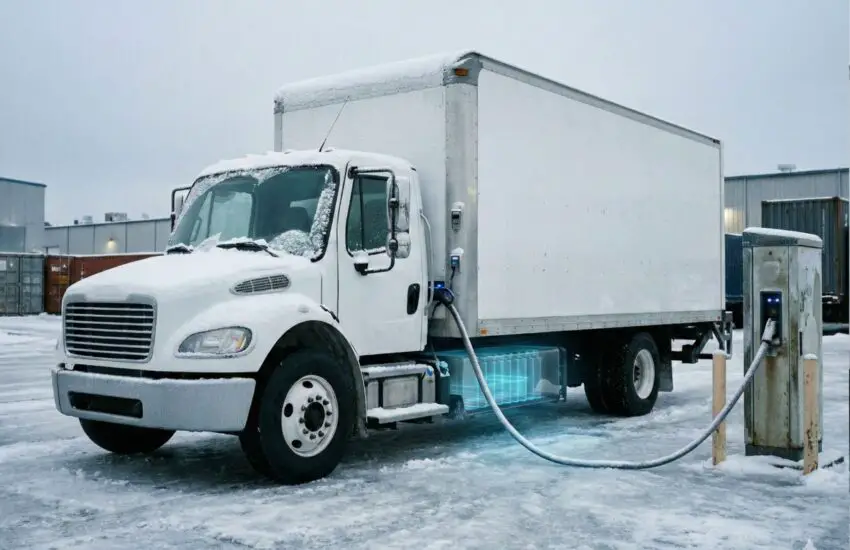
The standout feature of this sodium-ion technology is its exceptional performance in frigid conditions. Unlike traditional lithium-ion batteries, which can suffer severe capacity loss and charging difficulties in sub-zero temperatures, sodium-ion chemistry maintains significantly higher stability. This breakthrough promises reliable range and consistent power delivery for vehicles operating in cold climates, eliminating a major operational headache for fleet managers.

Durability and Economic Advantages
Beyond cold-weather prowess, the Tianxing II platform is built for the rigorous duty cycles of commercial use. It offers enhanced longevity and faster charging capabilities, crucial for minimizing vehicle downtime. Furthermore, sodium is far more abundant and geographically widespread than lithium, which points to greater supply chain security and the potential for lower long-term costs. This combination of resilience, performance, and favorable economics makes it a compelling alternative for the future of zero-emission freight and transport.
Implications for the EV Market
CATL’s commercial rollout of this technology marks a pivotal step in diversifying the battery ecosystem. By providing a robust, climate-resilient power source for utility vehicles, it accelerates the electrification of a critical segment of the global transportation network. This development not only expands the practical reach of electric mobility but also reduces dependency on a single battery chemistry, fostering a more sustainable and resilient industry.