
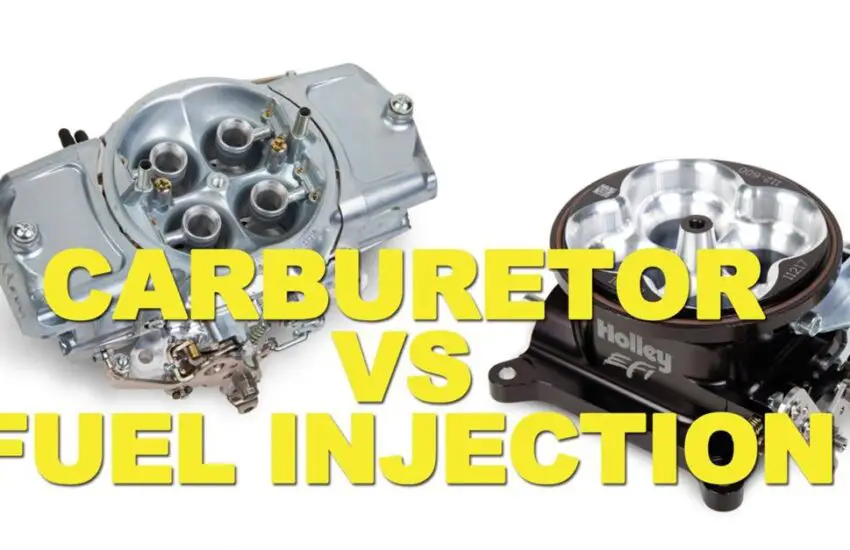
Carburetor vs Fuel Injection Car enthusiasts always have differing opinions in the carburetor vs fuel injection debate. Some believe only a carburetor does justice to engine performance while others are convinced of fuel injection’s usefulness.
So, which is the better option for you? Let’s follow Car From Japan!
Carburetor vs Fuel Injection: What Are They?
The carburetor and fuel injection are the systems that supply fuel and air to the engine cylinders. Gas combustion releases energy into the pistons and combustion chambers.
The earliest carburetors used airflow or fuel vapors for ignition. Later versions used a different principle and supplied the same amount of air and fuel into the intake.
This system cannot monitor the air/fuel ratio for individual cylinders. But carburetors last a long time and are widely used in race cars.
The carburetor system lost popularity in the early 1990s and fuel injection made its appearance.
The fuel injection system is available in mechanical and electronic versions and for both diesel and gasoline engines.
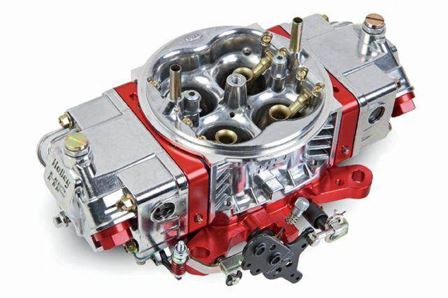
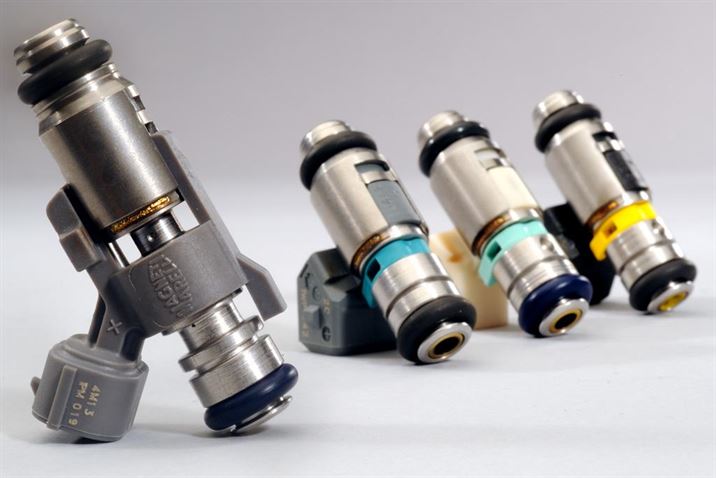
There are two different types: port fuel injection systems and direct injection systems. The latter is the advanced version that can handle two-stroke or four-stroke engines and supply fuel directly into the cylinders.
Depending on engine load conditions, this system will allow you to perfectly calculate the required amount of fuel and air and then distribute it into the cylinders. It will constantly adjust the amount based on the latest engine report.
Carburetor vs Fuel Injection: The Pros and Cons
The systems have their advantages and disadvantages. You can discover the best option by comparing their features across several parameters.
Power and Performance
A fuel injection system with electronic controls provides more precise results in terms of air and fuel supply to the cylinders. Since it can deliver the required amount, the engine runs at its optimal power and offers the best performance.
Conversely, carburetors cannot calculate the precise amount. They cannot adjust for changes in atmospheric pressure or fuel temperature.
Emissions and Fuel Economy
Again, the injection system wins in this area. It can accurately calculate the required amount of fuel and air and adjust it based on changes in several parameters, resulting in lower fuel consumption, higher energy efficiency, and fewer carbon emissions.
Carburetors cannot deliver the same results because they supply the fuel/air ratio on average, without being subject to engine conditions.
Maintenance Costs
The carburetor system comes out on top in this section. You can even rebuild the entire carburetor system in your garage! All you need are a few simple hand tools, a can of carburetor cleaner, and some spare parts.
On the other hand, fuel injection is a complex system. If the system fails, you will need outside help to tow the car to a repair shop. Furthermore, repairing a fuel injection system requires professional skills.
Carburetor vs Fuel Injection: Which is Best?
It seems that fuel injection is the better option. Although most small engines use the carburetor system for its simplicity, cheap prices, and reduced maintenance costs, fuel injection is the ideal choice for modern vehicles for better performance, reduced emissions, and fuel economy.
FAQ on Carburetor and Fuel Injection
- Which system is more fuel-efficient: carburetor or fuel injection?
Fuel injection is generally more fuel-efficient than carburetors. It delivers fuel more precisely, optimizing the air-fuel mixture for improved combustion, which results in better fuel economy.
- Which system produces fewer emissions: carburetor or fuel injection?
Fuel injection tends to produce fewer emissions than carburetors. It allows for precise control of the air-fuel mixture, leading to cleaner and more efficient combustion, which reduces harmful emissions.
- Are there situations where carburetors are still preferred over fuel injection?
Carburetors are still preferred in certain niche applications, such as restoring vintage or classic cars, small engines like lawnmowers, and some off-road vehicles where simplicity and ease of maintenance are prioritized.
- Can you retrofit a carbureted engine with fuel injection?
It is possible to equip a carbureted engine with a fuel injection system. This conversion can improve fuel efficiency, emissions, and overall performance. However, it can be a complex and costly process.
- Is fuel injection more reliable than carburetors?
Fuel injection systems are generally considered more reliable than carburetors because they are less prone to issues such as fuel flooding, vapor lock, and cold-start problems. They also offer better adaptability to changing conditions.
- Which system is more common in modern vehicles: carburetor or fuel injection?
Modern vehicles almost exclusively use fuel injection systems due to their advantages in fuel efficiency, emission control, and performance. Carburetors have become obsolete in new car production.
Watch this video from Summit Racing to discover the difference between a carburetor and fuel injection!
- Can carbureted engines be as environmentally friendly as injected engines?
It is difficult for carbureted engines to match the environmental friendliness of injected engines. Fuel injection’s ability to precisely control fuel delivery and combustion helps reduce emissions, making it more environmentally friendly.
- Can you switch between carburetors and fuel injection on the same vehicle?
Converting a vehicle from carburetion to fuel injection or vice versa is possible but involves significant modifications to the engine and its control systems. This is typically done as part of customizations or engine swaps by experienced mechanics.
- Which system is more adaptable to performance upgrades and modifications?
Fuel injection systems are generally more adaptable to performance upgrades and modifications, as they offer precise control over fuel delivery and can adapt to changes in engine parameters.
- Do carburetors or fuel injection systems require more tuning for optimal performance?
Carburetors generally require more tuning to achieve optimal performance compared to fuel injection systems. Fuel injection systems can automatically adapt to different driving conditions, reducing the need for constant tuning.
Final Words
In the carburetor vs fuel injection debate, fuel injection emerges as the superior choice for modern vehicles. It offers precise fuel delivery, improved efficiency, reduced emissions, and better performance compared to carburetors.
Even though carburetors hold historical significance, advanced fuel injection technology aligns with contemporary demands for cleaner, more fuel-efficient, and environmentally friendly vehicles.
As automotive technology continues to evolve, fuel injection remains at the forefront, making it the preferred option for optimizing both engine performance and environmental impact.