


1. Inspect and Maintain your Air Filter
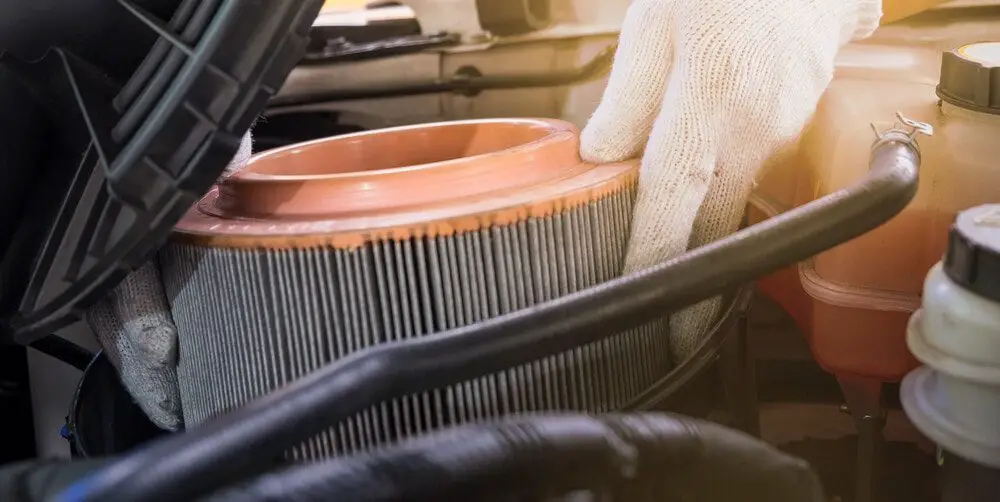
One of the most basic yet essential components of your car is the air filter. The filter itself may not be a big deal, but its job is crucial to the proper functioning of your car.
During operation, your car constantly draws in air from the atmosphere to mix with fuel for combustion. Atmospheric air is certainly not 100% clean, so it’s the air filter’s job to filter out dirt and debris from the air before it enters the mixture; otherwise, your car won’t perform as well as it should.
Thus, your air filter is constantly working while your engine is running and tends to get dirty over time. Therefore, it’s advisable to frequently inspect the air filter and clean or replace it based on its condition.
2. Inspect and Maintain your Car Battery

When it comes to vehicle maintenance tips, this is one of the most critical. Your car’s battery powers all the electrical systems, lights, and most importantly, the starter motor when you turn the key.
If your battery is in poor condition, you’ll likely end up stranded somewhere because your car won’t start.
Better safe than sorry, so it’s recommended to check and replace the car battery after 2 to 3 years. During this period, you should regularly check the battery fluid level if it’s an acid battery.
You should also maintain your car battery’s charge when you’re not using your car for an extended period. A low battery charge will kill your battery very quickly in cold weather.
3. Inspect and Change your Engine Oil Timely
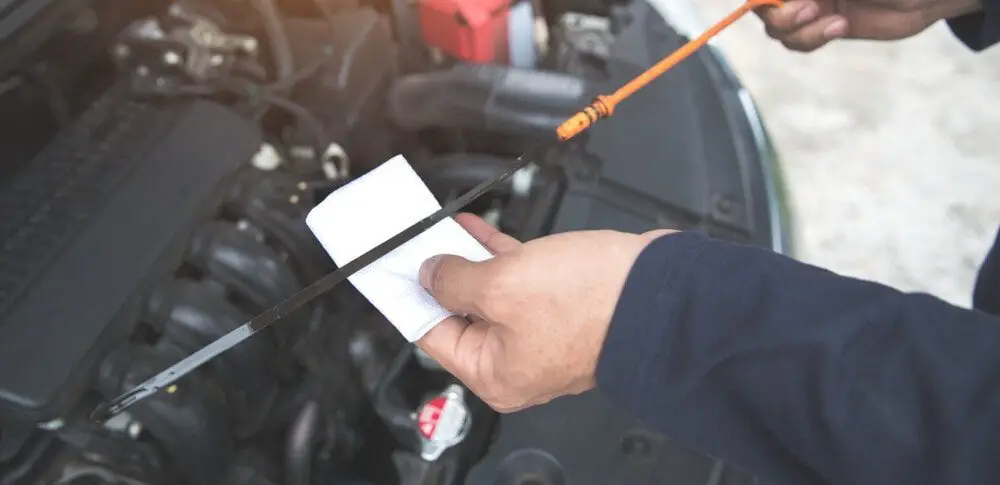
Your car’s engine relies on oil for lubrication, so the lifespan of the engine’s internal components and transmissions depends on the oil.
Every bit of maintenance advice for your car includes timely oil changes. A car with low oil will eventually break down and require major repairs at a high cost. Sometimes, even the engine itself will need to be replaced.
It’s important to check the condition of the engine oil. If you notice the oil has turned black, it’s time to change the oil. Also change the oil after driving the mileage indicated by the oil manufacturer on the oil tank.
If there’s an oil leak, have it repaired immediately and never drive with a low engine oil level.
4. Check and Maintain Fluid Levels
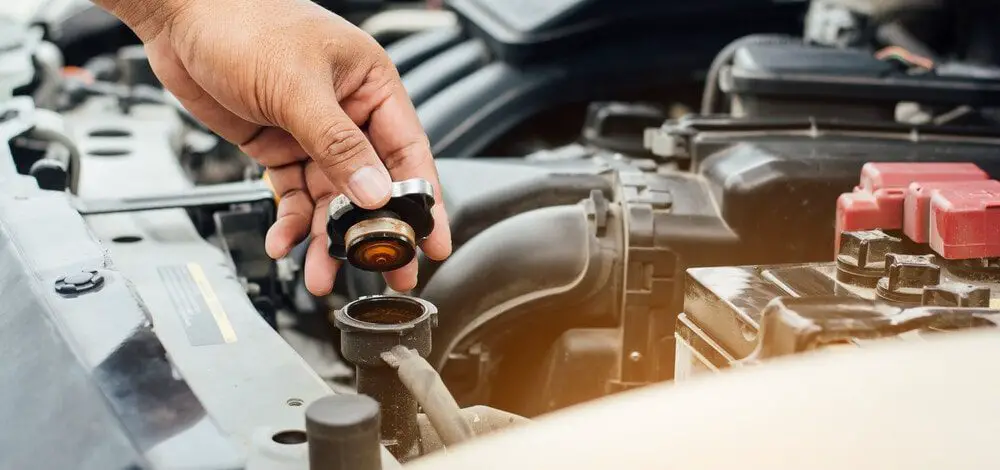
We’re talking about your car’s power steering fluid, transmission fluid, brake fluid, and coolant. All these fluids are as important for your engine as engine oil.
Your power steering system won’t work as it should if the pump or pipes are leaking or if there isn’t enough fluid in the reservoir.
Transmission fluid is also as important for the transmission as engine oil is for the engine. With a low transmission fluid level, you’ll have major problems with your transmission that can be very costly to fix.
The coolant’s job is to maintain the engine’s temperature. Therefore, all these fluids should be at full level, and if there’s a leak, they should be repaired as soon as possible.
Consult your repair or maintenance manual to locate all the different fluid reservoirs in your engine compartment, and remember not to open the coolant when the car is hot.
5. Replace Windshield Wipers
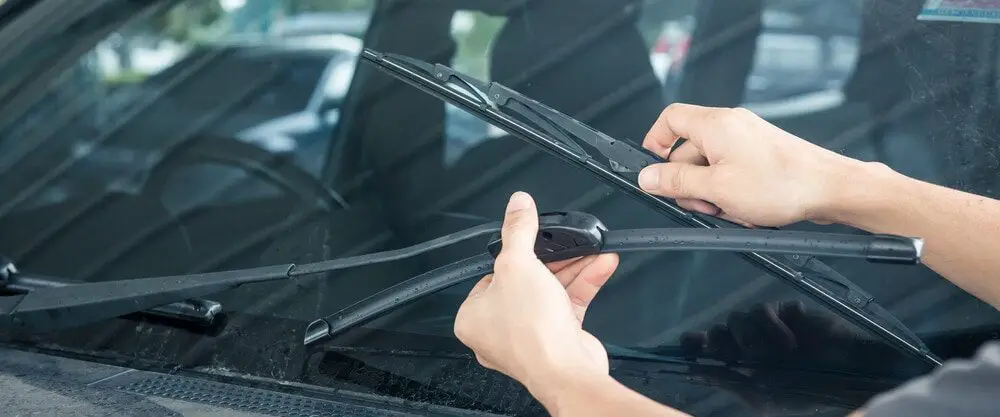
Windshield wipers are something you always want to be top-notch. With bad wipers, you’ll struggle to see what’s in front of the car during heavy rain or snow. Bad wipers can actually be very dangerous and cause accidents.
Worn wipers can also scratch your windshield, leading to repair costs much higher than simply replacing the wipers.
Wipers are often quite cheap and very easy to replace, so make sure they’re changed from time to time.
6. Check and Maintain Tire Pressure

Another decisive vehicle maintenance tip: this factor directly affects driving comfort and quality. The correct tire pressure, which is around 35 PSI depending on your car model, ensures proper vehicle control.
The right pressure allows the tires to grip the road evenly and then wear down slowly and uniformly. Too high or too low pressure also puts excessive strain on the suspension legs and suspension.
Nevertheless, it’s best to regularly check the pressure of all four tires to avoid these issues. Inflating and maintaining your tire pressure is often free, and anyone can do it.
7. Wheel Alignment Every 2 Years
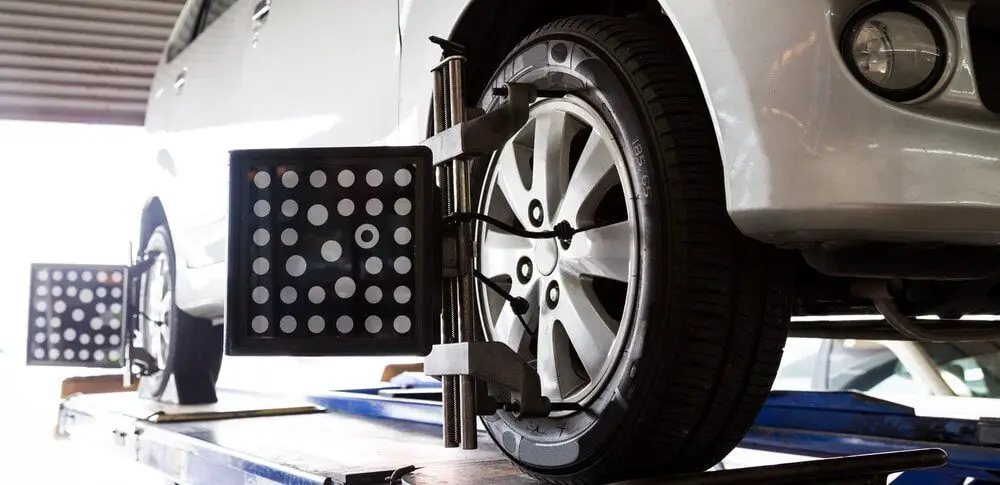
One thing most people don’t think about is wheel alignment. Wheel alignment can deteriorate if you hit a curb or replace suspension parts.
Most people don’t think that wheel alignment will change over time due to worn bushings.
As you may know, tires are expensive for your car. Poor wheel alignment will wear out your tires very quickly, which is why we recommend getting a wheel alignment every 2 years.
To perform a wheel alignment, you need the right equipment.
8. Inspect and Replace Spark Plugs
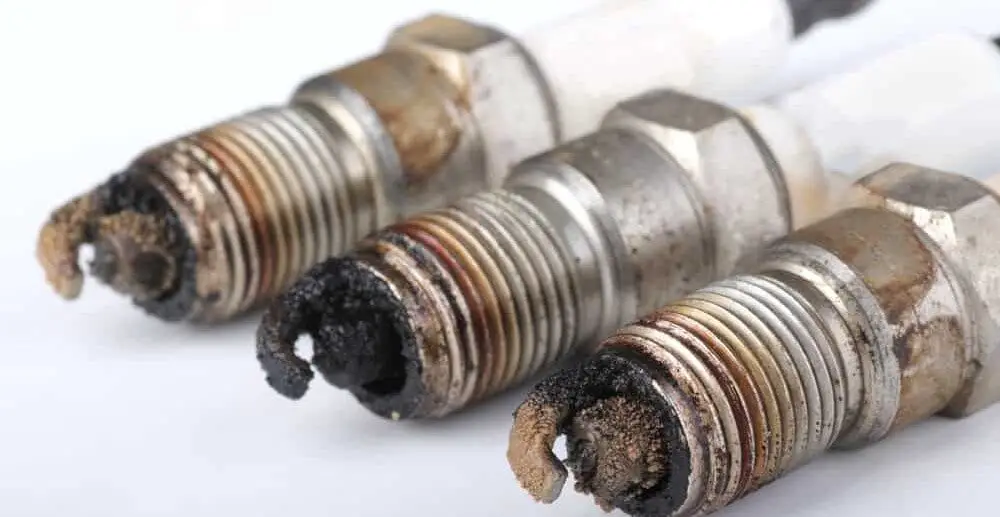
Spark plugs are often overlooked in vehicle maintenance tips. Depending on the make and model of your car, your car may have 4 or more spark plugs.
Spark plugs ignite the air-fuel mixture in your engine, which is why they get carbon deposits on the tips over time. Carbon deposits then start to affect ignition timing and spark quality, directly impacting your engine.
After about 50,000 to 80,000 miles, you should have your spark plugs checked. If your mechanic suggests replacing them, replace all of them, not just the ones showing more wear.
Spark plugs are often quite cheap to replace and can prevent your car from misfiring, which can help your car maintain good condition over time.
9. Check Brake Pads and Rotors
No matter where you look for car maintenance advice, brake system maintenance will always be listed. Your car’s braking is one of the most critical factors for controlling your vehicle.
The only way for you to slow down or stop your vehicle is to keep the car’s braking system in perfect condition; it’s a matter of safety. Never compromise on brakes to save money.
There’s no mileage limit for having your brakes checked. It’s best to have your brakes checked every month, at least every 3 months.
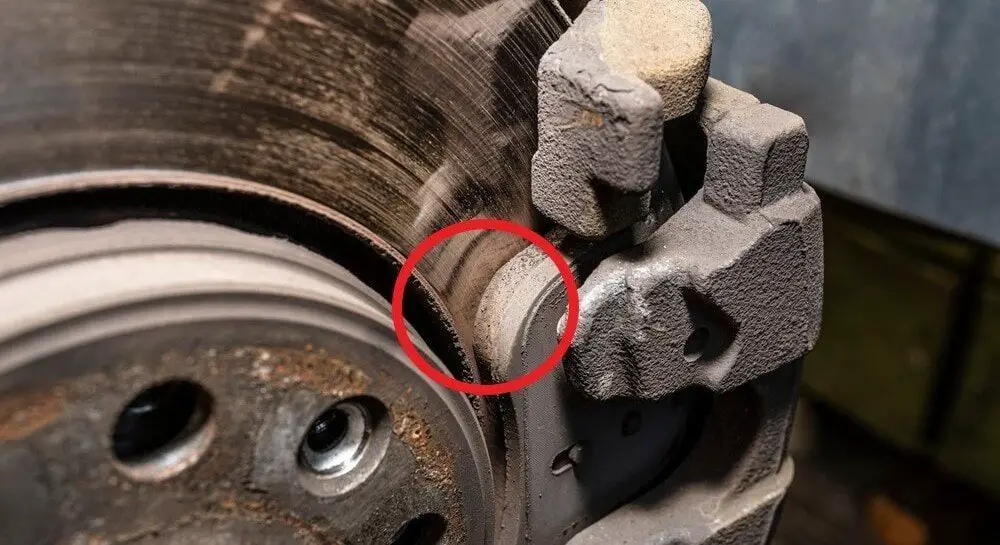
Visual inspection of the brakes is often quite easy. Just use a flashlight and check inside the rim to look at the brake rotors and brake pads. Make sure there’s at least 4 mm or 0.15″ of material left on the brake pads (like the image above), and ensure there isn’t too much rust on your brake rotors.
If your brakes have deteriorated over time, it might be time to replace the brake rotors or brake pads.
10. Lubricate Door Hinges

A very easy thing that most people don’t think about is lubricating door hinges every year or more frequently. You might not think it’s something noticeable, but if the car makes noises when opening the door, it gives the impression that the car is in poor condition.
Lubricating door hinges is very easy – take a grease spray and spray it into the hinges and door locks to keep them in good condition.