
Winter is a season with extreme weather conditions beyond human endurance if we appear without specialized protective shields, especially for children and the elderly. Not only will it be cold when walking in the middle of an intersection, but even in a car, you will also feel the cold with frosty air blocking the view from the window. And that’s why you need a heater that works well before winter arrives. A car heater that doesn’t work will be a threat to your health as well as that of your beloved car in the long term.
That said, I will highlight some of the causes of car heater problems and a few tips to avoid encountering these unwanted issues during your future winter trip to the North.
How does the car heating system work?
The operation of the car heater is easy to understand, even for those not specialized in technical machines. Notably, the car heater will draw heat from the engine. So it takes time for the engine to warm up for a few minutes before you can notice the effect of the heating mode in the car.
To activate the heating mode in the car, the driver must first press the car’s defrost button to dissolve the fog on the windshield and windows in cold or foggy weather. The driver then starts the engine, which speeds up the temperature rise inside the cabin. At this time, car heaters do not generate heat immediately. If the outside temperature is too low, the car has been used for a long time, the engine is large, or the vehicle runs on diesel, the heating mode will take longer to take effect. The driver can set the desired temperature and start the car heater by turning on the fan and adjusting it to the preferred speed.
Many people still mistakenly think that the car’s heater and air conditioner are the same. Another misconception about car heaters is that the car’s air conditioner is a two-way conditioner, which has both cooling and heating effects. Therefore, many people often press the A/C button to start it. However, car air conditioners only have one way to blow cool air. And the car heater warms the cabin using the heat released during engine operation.
Why the car heater doesn’t work: 7 potential problems to consider
The reasons why the car heater doesn’t heat up are unpredictable, as you can never anticipate anything happening in a complex system. Here are the 6 most common causes of the non-heated car condition for quick detection of related issues.
1. Insufficient or leaking coolant
Coolant plays an essential role in the car’s air conditioning systems and engine operation, including heating processes. During our journey, a large amount of heat will be generated due to fuel combustion in the cylinder. That’s why coolant is there, acting as a temperature equalizer for the engine and the vehicle in general.
Some of the heat released by the engine will radiate outward and come into contact with other parts, which, in the long term, can lead to breakdowns and affect the car’s ability to function properly. In many cases, lubricants at a temperature of 200 to 300 degrees ignite spontaneously, increasing the risk of fire and explosion. At these times, the car’s coolant becomes a bridge to transfer heat from the engine to the cooler. Thus limiting the situation where the engine temperature exceeds the permitted limit.
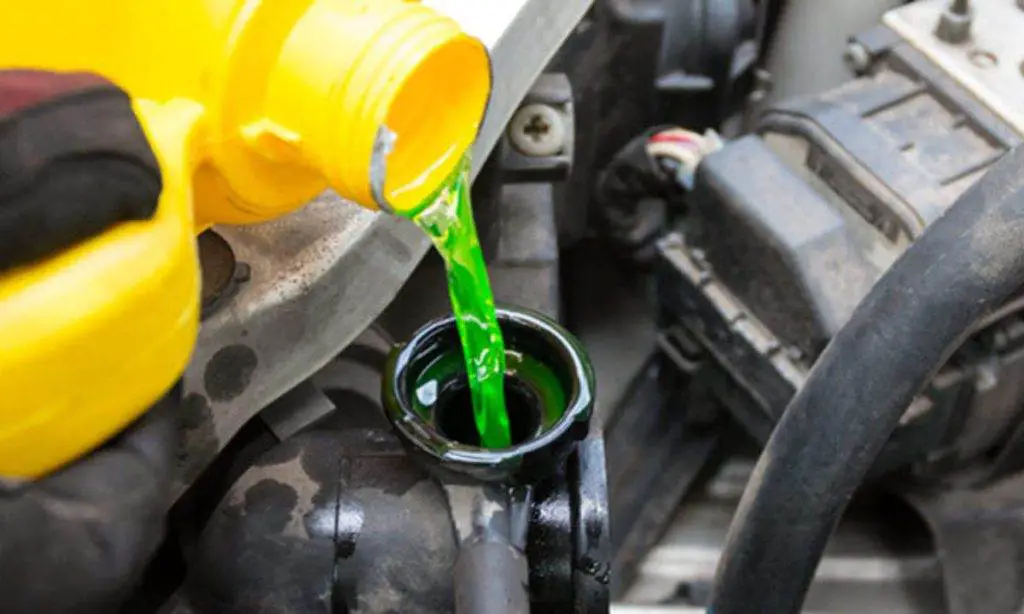
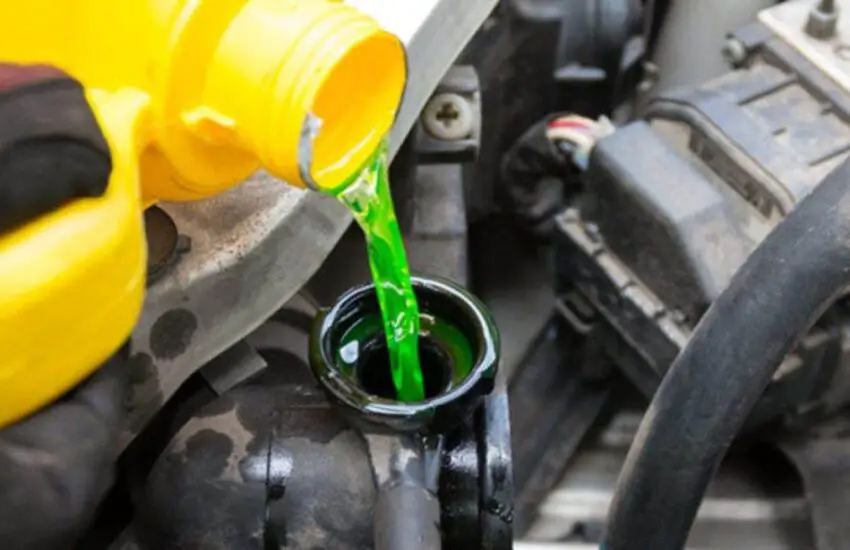
If you encounter a heater in a car that doesn’t work, insufficient coolant may be one of the most common causes. The low coolant level will prevent the vehicle’s heating system from working effectively. As the level drops, air appears in the reservoir, causing localized hot and cold spots that limit performance. If there isn’t enough fluid to reach the heating fault, it won’t be able to blow hot air into the car through the vent. What’s more dangerous is that the coolant can leak, causing a short circuit and wetting the surrounding parts.
Therefore, it is crucial to regularly check the coolant reservoir for the heater to work well. The procedure is very simple because you just need to see the coolant light. If the warning light comes on, the engine temperature is too high.
Experts recommend that drivers add coolant after the first 60,000 kilometers and another 40,000 kilometers for the next refill. Also remember to periodically take your vehicle to a repair shop to have it checked for fluid leaks.
2. Damaged heater core
The second common cause that prevents the car heater from working is the heater core. The heater core has a radiator-like structure, made of aluminum alloy with tubes that carry coolant inside and out and distribute heat to warm the entire car.
If heater core problems occur, the coolant cannot spread widely and the fan will be blocked. Furthermore, the core can easily suffer from rust. Debris and particles entering the cooling system can block your heater core. In general, this problem occurs less often than others, but still exists to annoy you.
Signs of a broken heater core can be easy to recognize if you pay close attention during your daily commute. You may smell a rather strange strong sweet odor in the cabin, and it will become stronger day by day. That’s the smell of leaking radiator fluid. You may also encounter other issues such as blurry car windows for no reason, frequent engine overheating, cool air escaping from the vents, or having to constantly refill the coolant reservoir. If your heater core encounters these signs, the best way is to take it to the auto repair shop to prevent problems from arising.
3. Thermostat problem
The thermostat is another essential component that contributes to the effective operation of the car heater. It helps regulate the car’s temperature, avoids emitting too much heat, and ensures the proper functioning of the cooling and heating system.
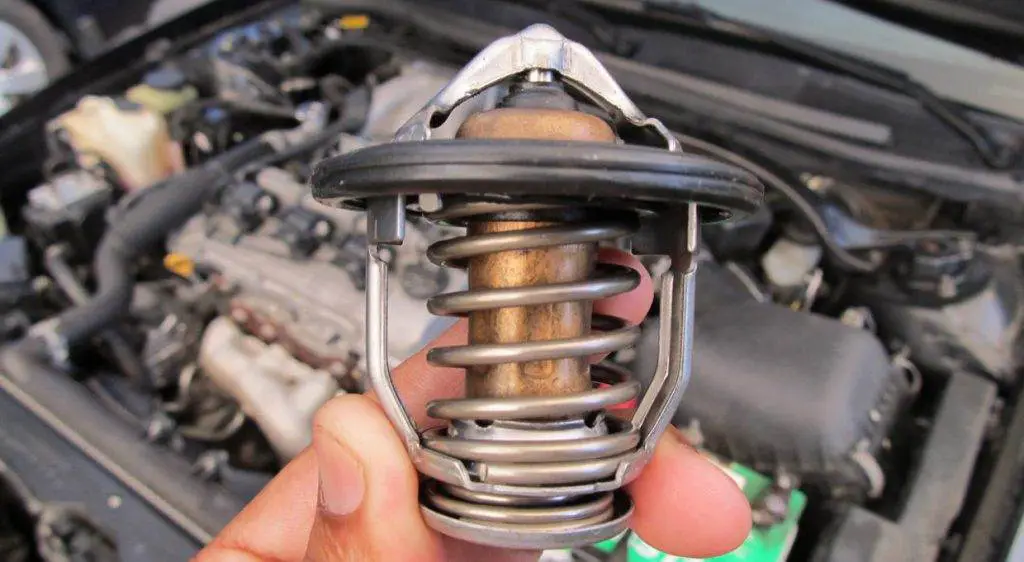
With just a little attention, you will be able to precisely identify the problem without having to search to discover it and get headaches from confusion. In most cases, when the thermostat remains closed, it’s because the coolant has been contaminated by a mixture of other types. This causes debris to build up around the thermostat, preventing it from opening. Another cause lies in the fact that the coolant is not cleaned frequently, causing the thermostat valve to rust.
Furthermore, if you see the temperature gauge turn red within the first 15 minutes of driving, your thermostat may be faulty. Not only that, if the engine is hot but the radiator and the upper radiator hose are cold, there must be a problem.
A faulty thermostat will not be able to accumulate heat in the car, which will cause an unwanted car heater problem that doesn’t work. When the thermostat closes, the engine temperature cannot be regulated and the other parts of the cooling system cannot do their job. If the thermostat stays open, the engine will likely never reach the proper temperature and will not operate at full capacity.
Just by solving the main problem, your car heater will have a chance to return to a healthy state faster, avoiding leaving you suffering in the icy cabin in the middle of winter.
4. Air pockets
Simply put, air pockets are air bubbles that enter the interior spaces of the system when you open it or in case of a leak, which seem to replace the fluid lines and prevent circulation.
The gurgling that appears in the dashboard every time you start the engine could be a sign of air bubbles entering the heater core. This phenomenon will cause many difficulties, and one of the most concerning issues is that of air pockets.
The causes of air pockets can be a careless coolant filling process, a faulty radiator cap, or leak holes in the heater control valve. Air pockets in the heater core system will also cause oxidation, making it vulnerable to rust due to the corroded aluminum alloy layer after a long period of use.
With the consequences mentioned above, you can now realize the importance of a heating process that says no to air pockets for the safety of the vehicle’s operation and your driving experience. To completely clean the air pockets in the heater core, you need to seek the help of experts or find the most accurate and comprehensive way to solve the problem yourself.
There is a very useful way to handle the situation in advance. First, remove the coolant reservoir cap and fill the correct amount of coolant after setting the heater to its highest setting. Start the engine with the cap open, then let the car idle for a few minutes. If the coolant level drops while the thermostat is on, top it up. Air bubbles should be purged as a result of this action. Replace the cap once the engine has warmed up and drive to test if the heat output has returned.
5. Faulty HVAC control system
HVAC stands for Heating Ventilation and Air Conditioning. HVAC is an air conditioning system in a car. As its name suggests, the proper functioning of the heater depends a lot on it. The function of the car heater is to generate and distribute heat to the entire area covered by the HVAC system. HVAC systems are used regularly and continuously, over the years and in all weather conditions.
That’s why regular system maintenance is essential. Comprehensive system maintenance brings several benefits, such as savings on repair or replacement costs and the reduction of driving downtime. It can also reduce energy consumption while improving the efficiency of the car’s components.
If you’re still wondering why my car heater doesn’t work every time, you might consider taking your beloved car to a professional repair shop to have the parts checked and replaced before they encounter more serious problems.
6. Faulty heater fan motor
The fan motor is an electric motor that blows hot air through the vent. And it can operate at different speeds to help manage cabin temperatures.
When the fan motor encounters problems, the heating and air conditioning system cannot function properly. This also causes the functions of other components to be interrupted, such as the window defrosting function.
A broken or malfunctioning fan motor will cause many unwanted problems. Like weak wind blowing through the vent, hot air that always blows at a fixed mode, or worse, no heat blowing during the cold winter. The fan motor also catches failing symptoms if it starts slowly or makes grinding noises.
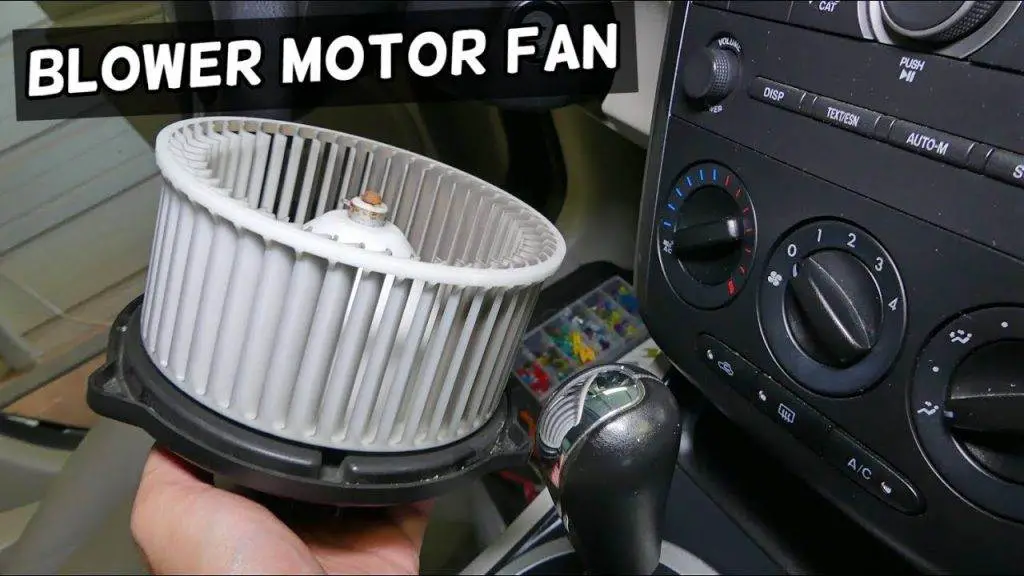
In general, self-checking the condition of the heater fan motor is a simple process. You only need a voltmeter, an electrical tester, repair manuals, or mechanical advice to perform blower motor tests. Don’t leave the heating problem in place for too long. Because it can cause a lot of problems for you and your car. And be careful, bad things don’t only happen in winter.
7. Broken fan motor resistor
As the fan motor speed is continuously changed, the resistor will be subjected to high pressure, which can easily lead to unwanted damage. If there is a problem inside, this part will make the air conditioning system, especially the car heater, ineffective and create functional obstacles.
Some common symptoms of a faulty blower motor resistor emerge from the blower motor. Because these are two parts that are closely related to each other during the operation of the heating system. You may encounter a problem when the blower gets stuck at one wind speed without being able to switch to another. Or you can’t feel the hot air coming out of the upper vent as before.
A faulty motor resistor will disrupt the standard process of the ventilation system. So, to always keep the air clean and fresh in the car, you must always keep the fan motor resistor under control.
Car heater doesn’t work: maintenance tips
Drivers should regularly check the coolant level and add more if necessary. Detecting leaks to ensure stable operation of the heating system and car heater is also an important task.
The heater takes time to warm up the cabin, so the driver should not adjust or increase the temperature too much when starting the car. You can use the air recirculation function to bring the air inside to warm it up again. By doing this, the car can reach the desired temperature faster and avoid unpleasant odors.
For your information, the cost of repairing a car heater is determined by its underlying problems. For other parts such as the fan or thermostat, you can always replace them easily at low cost. Filling the coolant reservoir is also part of a low-cost maintenance process.
However, changing the heater core will be much more expensive. So, in order not to fall into a crisis of exhausting your pocket for car repairs, keep a few useful car heater maintenance tips from experts. Your car will surely appreciate it a lot.
Car heater doesn’t work: recap
By now, you may understand better why your car heater doesn’t work properly for some of the reasons above. In general, car heaters, like most vehicle components operating under the control of a complex system, can cause more serious problems if not maintained regularly.