
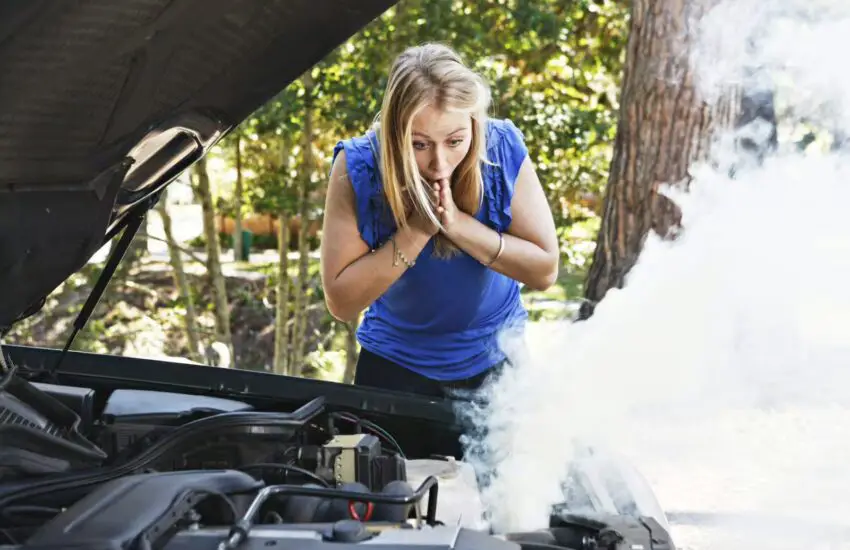
Although practically everyone owns a car, not everyone necessarily knows about their car’s engine. However, you should know if your car’s engine temperature is at the right level. This will help you know if the engine, the heart of your car, is working well. And it’s important to know whether it’s a manual or automatic car.
However, not all car temperature gauges are designed to simply indicate the car’s temperature as HOT, COLD, or SAFE. There are also digital gauges, which may only indicate relatively high or low temperatures.
How to Read a Car’s Engine Temperature
It is well known that an overheating engine can be dangerous. But you may not know how to measure overheating and what to do once you know it’s overheating. This requires not only knowing how to read your gauge and recognizing the symptoms of car overheating, but also knowing how to react. Take note of these maintenance tips.
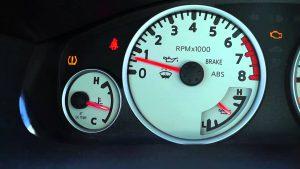
Analog Gauges
As you may have noticed, most gauges indicate temperature through a panel without numbers. They simply have C and H, or blue and red, and a point in between that indicates normal temperature. The interpretation is simple. Here’s what you need to interpret:
Normal – Everything is fine
Cold – Everything is fine. Old cars need a bit of warming up in winter. Modern cars do very well. No need for warming up. The computer provides fuel even if the engine is cold to start it.
Hot – Yes, this is worrying and you need to react.
Digital Gauges
These thermometers simply display a value in degrees Fahrenheit. If you’re a gadget enthusiast, you’ll check the meaning of temperatures on a digital thermometer. But here’s a simple tip:
Below 240° F – Everything is fine
Above 240° F – The engine is overheating. The gauge triggers a flashing light or alarm, and you need to take control of the situation.
Overheating is one of the most common engine problems that you should not ignore.
What Temperature Does a Car Engine Reach?
First, we need to understand that the engine runs well when it operates at high frequency, but the temperature is always maintained according to the manufacturer’s regulations. The normal temperature of a car engine is between 90 and 105 degrees Celsius (approximately 195 to 220 degrees Fahrenheit) (for gasoline engines, the engine temperature is regulated around 80 degrees Celsius, for diesel engines, it’s around 90 degrees). Modern car powertrains operate at a temperature of 100°-105°. In the engine cylinder, when the mixture burns, the combustion chamber heats up to 2500 degrees, and the coolant’s task is to maintain an optimal temperature within the normal range. Any error with this component will result in a higher than normal temperature, causing an overheating problem.
What to Avoid When the Car’s Engine Temperature Rises

- Do not continue driving, but do not brake too hard either. If the engine is overheating, simply slow down, pull the car to the side, and turn off the engine.
- Do not try to restart the engine after a few minutes thinking it has cooled down. Most of the time, engines overheat due to lack of coolant. So you need to fix the problem first.
- Do not rush to open the hood immediately. You risk burning your hands. Open it carefully, after a few minutes have passed.
- Never immediately remove the radiator cap or water circuit cap. The risk of explosion increases as it is under high pressure.
- If the radiator needs coolant, do not rush to fill it with antifreeze. Make sure there are no leaks or bursts in the cooling system. The leak or burst could actually be the cause of the symptoms of car overheating.
- Start the engine a few minutes after filling the coolant. If it heats up again, do not pretend to be an expert. If you cannot diagnose the problem or the engine continues to overheat, you should call a professional.
Remember that a car engine overheating can be a real problem. Diagnose and treat it in time.