
Car Engine Parts 101: A Beginner’s Guide
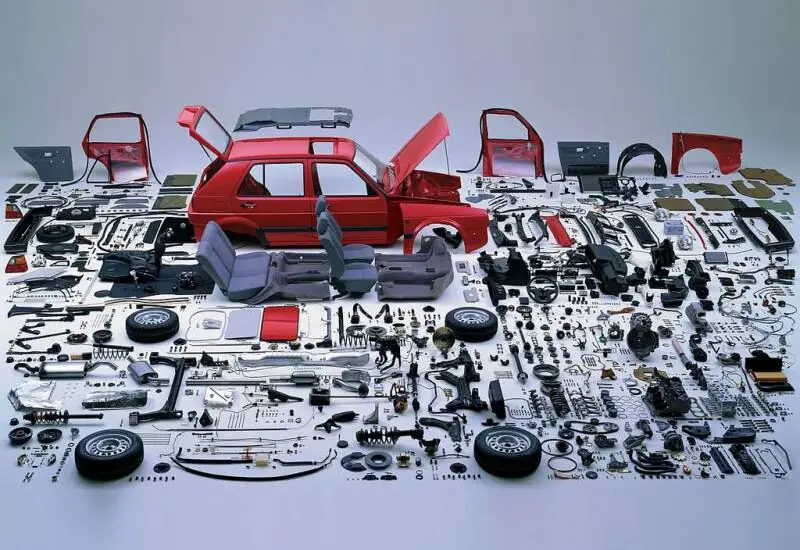
If you’re new to the world of automobiles, understanding the different engine parts can be challenging. However, it’s essential to grasp the basics of car engine parts to maintain your vehicle and keep it in good working condition. In this article, we’ll provide you with a beginner’s guide to car engine parts, covering the most essential components and their functions.
- Cylinder: The cylinder is the most important part of a car engine. This is where the combustion process takes place, and fuel and air are mixed and compressed before being ignited by the spark plug. A typical car engine has four, six, or eight cylinders, depending on the engine size.
- Piston: Pistons are located inside the cylinders and move up and down to compress the air-fuel mixture. They are connected to the crankshaft, which converts the up-and-down motion of the pistons into rotational motion to drive the wheels.
- Crankshaft: The crankshaft is a rod that runs through the center of the engine, connecting the pistons to the transmission. It converts the up-and-down motion of the pistons into rotational motion, which is then used to power the wheels.
- Camshaft: The camshaft is located in the cylinder head and controls the opening and closing of the valves through cam lobes. The camshaft is driven by a belt or chain connected to the crankshaft.
- Valves: The intake and exhaust valves are located in the cylinder head and control the flow of fuel and air into the cylinder and exhaust gases out of the cylinder. They are opened and closed by the camshaft through the use of rocker arms.
- Spark Plug: The spark plug is located in the cylinder head and is responsible for igniting the air-fuel mixture in the cylinder. It is connected to the ignition system and receives a spark from the distributor or ignition coil.
- Fuel System: The fuel system is responsible for delivering fuel from the gas tank to the engine. It consists of the fuel pump, fuel filter, fuel injectors, and carburetor (if the engine is not fuel-injected). The fuel pump is usually located in the gas tank and supplies fuel to the engine via the fuel filter and injectors or carburetor. 8 Exhaust System: The exhaust system is responsible for removing exhaust gases from the engine. It consists of the exhaust manifold, catalytic converter, and muffler. The exhaust manifold is usually located on the cylinder head and collects exhaust gases from the cylinders. The catalytic converter is located in the exhaust pipe and converts harmful pollutants into less harmful emissions. The muffler is located at the end of the exhaust pipe and reduces the noise of the exhaust gases.
- Timing Belt or Chain: The timing belt or chain is responsible for synchronizing the camshaft and crankshaft, which is essential for the engine’s proper operation. A worn or damaged timing belt or chain can cause serious engine damage.
- Water Pump: The water pump is responsible for circulating coolant throughout the engine, which helps keep the engine cool and prevent overheating. A worn or damaged water pump can cause the engine to overheat.
- Alternator: The alternator is responsible for generating electricity to power the car’s electrical system, including the lights, radio, and air conditioning.
- Starter: The starter is responsible for starting the engine when the key is turned.
- Power Steering Pump: The power steering pump helps make steering the car easier by providing electrical assistance to the steering system.
- Oil Pump: The oil pump is responsible for circulating oil throughout the engine, which helps lubricate moving parts and prevent wear.
In conclusion, it’s essential to understand the basic parts of your car’s engine and their functions to maintain your vehicle and ensure its proper operation. Regular maintenance and timely replacements can prevent costly repairs and breakdowns in the future. Remember to keep an eye out for warning signs that may indicate a problem with your car’s engine, so you can take action before it becomes a major issue. If you’re unsure about a specific part or its function, don’t hesitate to consult a professional mechanic or the vehicle owner’s manual.