
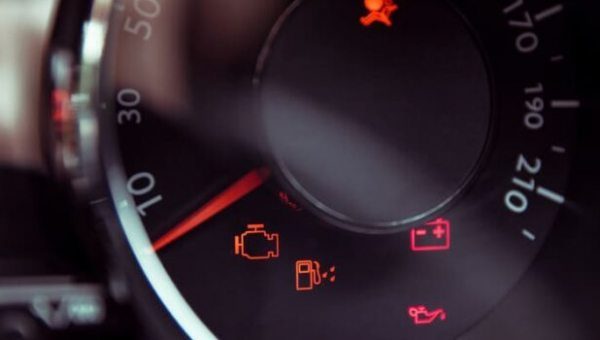

Automobiles have come a long way since the first single-cylinder engines used in the 1880s and the more complex and sophisticated they have become and the smarter and more convenient their features are, the more problems we can have. To keep us informed about what is precisely happening under the hood of our cars and the technical systems that ensure the proper functioning of these modern miracles, our dashboards now have more warning icons than the Millennium Falcon and can leave us perplexed, confused, and sometimes even anxious.
There is almost nothing worse than seeing a red light suddenly come on while you are driving without having any idea what it means and the urgency of the problem. With our accessible guide to the most common car dashboard warning symbols and indicators, you will know exactly the meaning of each warning signal.
THE COLOR OF WARNING ICONS
Generally speaking, the color of a symbol is related to the urgency of solving the problem and works on the basis of traffic lights.
If the light is green, it often means there is no problem and a function has simply been activated (for example, the lights or turn signals are always green).
When a symbol with a yellow light appears, something has definitely gone wrong, but it does not need to be fixed immediately (although it should certainly be resolved as soon as you have the opportunity). The windshield washer fluid level is a good example of this. When this level is too low, the windshield wipers cannot function properly. This will not prevent you from driving right away, but could be dangerous in the near future.
This of course means that when the red light comes on, something is really wrong and will affect or is already affecting the car’s fundamental functions.
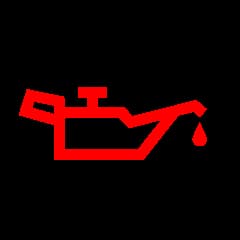 |
Oil Pressure Warning. This image of an old-fashioned oil can lets you know that there is a problem with your car’s oil pressure system. You may be low on oil or your oil pump may not be pumping enough fluid to effectively lubricate your car’s internal surfaces. If this is not fixed quickly, you will soon find that your engine begins to wear out and this could be very costly. You must: Check the oil level and pressure. |
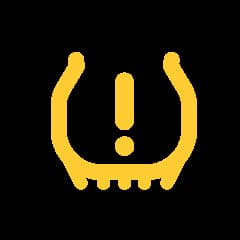 |
Tire Pressure Warning Light. This dashboard warning signal tells you that the pressure in one or more of your tires is too low and needs to be addressed. Also known as the TPMS symbol, it is a fairly important icon. Driving with low tire pressure can be extremely dangerous as it greatly increases the likelihood of a tire bursting while you are driving, meaning you could lose control of your vehicle and put yourself in danger. Even if this worst-case scenario does not happen, low tire pressure also negatively impacts fuel consumption and causes your tires to wear out too quickly. Putting a little more air in those tires could save you a lot of money in the long run. You must: Check the pressure of all your tires and increase it if necessary (it should normally be between 30 and 35 psi). Cold weather can cause pressure to drop, so be sure to check regularly. |
 |
Engine Temperature Warning. When this symbol appears on your dashboard, it means your engine has overheated. A common cause of this is a lack or problem with the coolant (antifreeze) in your engine, but there may be other reasons such as a broken water pump or issues with your car’s radiator. It is very important to address this issue immediately, as an overheated engine could lead to warping of the pistons and cylinders or cracking of the engine block, causing serious damage. You must: Make sure you have enough coolant and if the problem persists, consult an expert. |
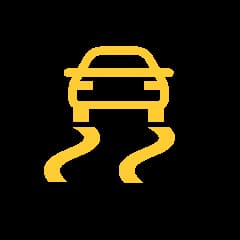 |
Traction Control Light. If your car’s anti-skid system is activated, you will see this symbol on the dashboard. The traction control system uses the anti-lock braking system to determine if any of your wheels are spinning faster than the others. It will apply the brakes if it detects a wheel is spinning and you will have traction again. It is really useful for driving in rain or snow and it can indicate to you that road conditions are more dangerous than you think and you should consider slowing down. |
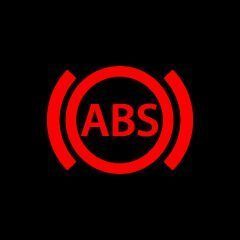 |
Anti-lock Brake Warning Light. This may look like a warning symbol that requires you to go to the gym more often, but it actually tells you that you have a problem with your anti-lock brakes. As we know, anti-lock brakes work to keep your car safely in contact with the road, so if there is a problem with the system, it is important to get to the bottom of it as soon as possible (or all that hard work on your abs will have been for nothing). It is worth keeping in mind that whenever you start your vehicle, the system performs a self-check and may light up for a few seconds. If it goes away immediately, however, you are good to go. You should: Have your system checked by an expert if the light is persistent. |
 |
Traction Control Malfunction. This warning icon indicates that your vehicle’s traction control system may have a broken or damaged sensor or another issue. In some cars, the same control module operates the anti-lock brakes and the traction control system, so the light sometimes comes on if there is a problem with your ABS. You should: Once again, have it checked by an expert as it may need to be recalibrated. |
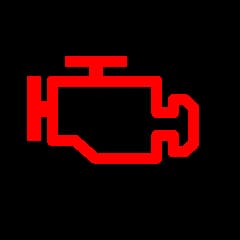 |
Engine Warning. Also known as the “check engine light,” when this symbol lights up on your dashboard, it is usually accompanied by a sinking feeling in the pit of your stomach. The light could be a minor issue, such as a faulty gas cap, or it could mean something more serious, like a misfiring engine. In many cases, it means you will be visiting the car dealership to fix the issue and resolve the problem quickly. You should: When you see the light, the best thing to do is to stop the car, pull over to the side of the road, and check your gas cap and other systems. If the light is flashing, you absolutely must stop driving. In most vehicles, the flashing check engine light lets you know that the problem is relatively serious and is going to cause fairly severe damage if you try to bury your head in the sand and ignore it. |
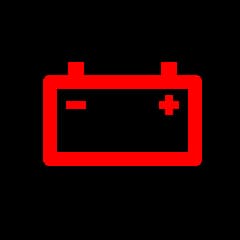 |
Battery Alert. From this warning symbol, we can tell that there is a problem with the car’s charging system. The symbol can be misleading, however, as the problem may not be coming from your battery. It could mean that the battery cable is loose or damaged, but it could also indicate that your alternator belt is broken. There are telltale signs if it is your battery: the clock display may start to fade and the headlights may start to dim. If you wait too long, your vehicle may shut down completely or refuse to start – very frustrating before the morning commute! It is best not to ignore it. You must: Make sure your battery is fully charged. |
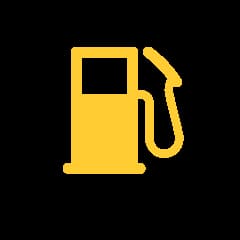 |
Low Fuel Indicator. This is a fairly obvious symbol that most drivers are familiar with and it simply means that you are running low on fuel and need to refill. While it may seem like an adventurous idea to see if you can make it home without refueling, it is not a good idea if you have a long way to go. Who knows what will happen with the weather or traffic, so do yourself a favor and fill up as soon as possible. You should: Find the nearest garage or gas station. Simple! |
 |
Airbag Indicator. This symbol lets you know that there is a problem with your airbags, one of them, or the system as a whole. The airbags in your car protect you in the event of an accident and it is imperative that you resolve this issue as soon as possible. Do not wait to find out what the problem is! You must: Check your airbags or take the car to a specialist who can help you resolve the issue. |
 |
Fog Light Indicator. If you are navigating through difficult weather conditions and using your fog lights, you will see this symbol. It is important to note, however, that fog lights should only be used if your visibility is less than 100 meters, otherwise they could blind other road users and pose a hazard. You should: Check if you need to use your fog lights and if you do not, turn them off. |
|
|