
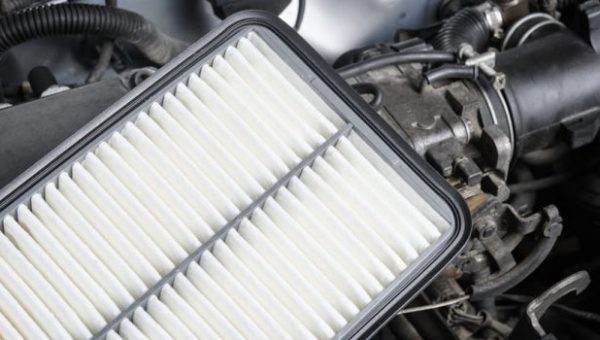

Every vehicle needs oxygen for the combustion engine to function properly. Air filters keep the engine free from dust, debris, or other small particles, such as sand, so it can “breathe.”
You can find air filters in a variety of shapes and sizes, cylindrical, round, or panel. If you’re looking to clean or replace your filter, you’ll find it near the front of the engine compartment under the hood. Some vehicles are equipped with large, round metal air filters that are hard to miss.
HOW DO I DETECT IF MY AIR FILTER NEEDS CLEANING?
Many signs indicate that it may be time to clean or replace your air filter. The most obvious is that it looks dirty. Your vehicle will also let you know and show it in different ways:
Your car consumes more fuel than before. If you notice you’re spending more money at the gas station, and not due to higher prices, it’s time to check your air filter.
The engine misfires, hesitates, or has trouble starting. If the engine doesn’t get enough air, unburned fuel will escape from the engine and lead to soot residue. Soot then builds up on the spark plug, which consequently cannot provide enough spark to ignite the air-fuel mixture.
If, when pressing the accelerator, you notice jerking or surging. This could indicate that your car isn’t getting enough air to run properly.
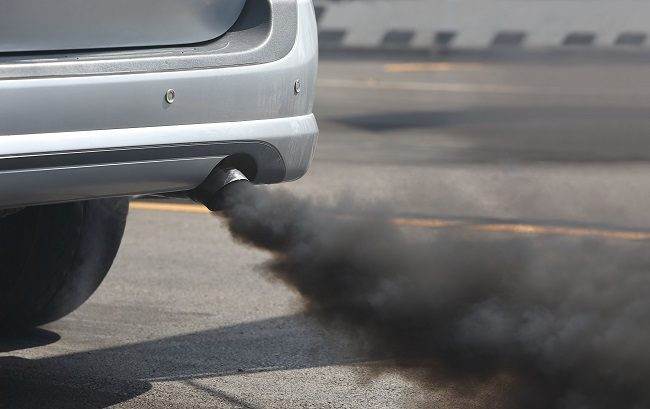
The exhaust emits soot, black smoke, or even flames. If your engine doesn’t get enough air, it can prevent some fuel from burning completely. The unburned fuel then exits through the exhaust pipe. If you notice your exhaust pipe emitting black smoke, you need to clean or replace your filter. This condition is potentially dangerous and should be addressed immediately.
If your fuel injection system or carburetor doesn’t get the oxygen it needs, unburned fuel will then be emitted from the exhaust pipe. Rather than seeing flames or smoke, you’ll notice a gasoline smell – a clear sign that it’s time to replace the air filter.
The car has started making unusual noises. Normally, when your engine is on, but your car isn’t moving, it doesn’t make any noise other than the hum of your engine. If you hear your car start to “cough” and “wheeze,” or if you notice unusual vibration, it’s time to clean or replace your filter.
HOW TO MAKE YOUR AIR FILTER AS GOOD AS NEW
Before working on your car, make sure your engine has cooled down. Protective equipment, such as glasses, a face mask, and a pair of gloves, is recommended to prevent injury.
Locate the filter, and if it’s enclosed in a cover or housing, simply remove it with regular tools like a screwdriver or wrench and set it aside. Do not let debris, dirt, or dust get into the nearby intake or airbox. If debris has fallen to the bottom of the airbox, clean it with a vacuum. Do not use compressed air – you might inadvertently blow debris around your engine.
Hold the filter over a trash can or garbage bag and shake it to remove as much debris as possible. Using a vacuum, remove as much dirt as possible that still remains on the filter. The easiest and most convenient way to do this is with a handheld vacuum.
You can buy a ready-to-use filter cleaner or make one yourself. Simply combine water with a mild laundry detergent or dish soap in a 2:1 ratio. Fill a spray bottle and close it tightly to prevent liquid from leaking from the cap, and shake well before use. Now spray it on and into the filter (depending on the shape) and let it soak for a few minutes, but do not let it dry.
Next, scrub the filter with a soft-bristled brush, being careful not to press too hard, which could damage the filter. You can use a toothbrush to scrub small crevices that the regular brush can’t reach. Make sure you’ve removed all the cleaning solution and residue before moving to the next step.
Using a tap with running water or a garden hose, thoroughly rinse the filter from the clean side outward to wash away the dirt. Be sure to keep the water pressure low to avoid damaging the filter and continue until all the cleaner has been removed. Shake off excess water from the filter carefully, then let it dry completely.
If you have oil-coated filters, you need to take an extra step. Use an air filter oil and spray the top of each filter pleat, keeping the nozzle about three inches away. Ensure the filter is evenly coated with oil and let the oil soak in for about 20 minutes. With this step, it’s essential that you let the filter dry completely before reinstalling it. Not doing so could cause your mass airflow sensor to malfunction. Now reinstall the filter using the same tools you used to remove it. Take a second look to make sure everything is reinstalled correctly.
REPLACING A DIRTY FILTER

Locate your air filter housing and, using common tools like a screwdriver, remove the screws holding the housing together. Then, remove the cover to locate the filter, making sure not to dislodge any hoses or stretch any wires. Be sure to note the position of the filter so you can install the new one correctly. This is the time to vacuum any dirt or debris that may have fallen into the compartment. Install the new filter, ensuring the outer seal is properly in place before closing the filter cover. Close the cover and replace the screws or clips.
HOW OFTEN DO I NEED TO CLEAN OR REPLACE MY CAR’S AIR FILTER?
It is recommended to clean or replace your air filter after about 15,000 to 30,000 miles. This can vary depending on the vehicle and the environment in which you drive. If you often drive through the countryside on dusty roads, you may need to clean or replace your filter more frequently.