
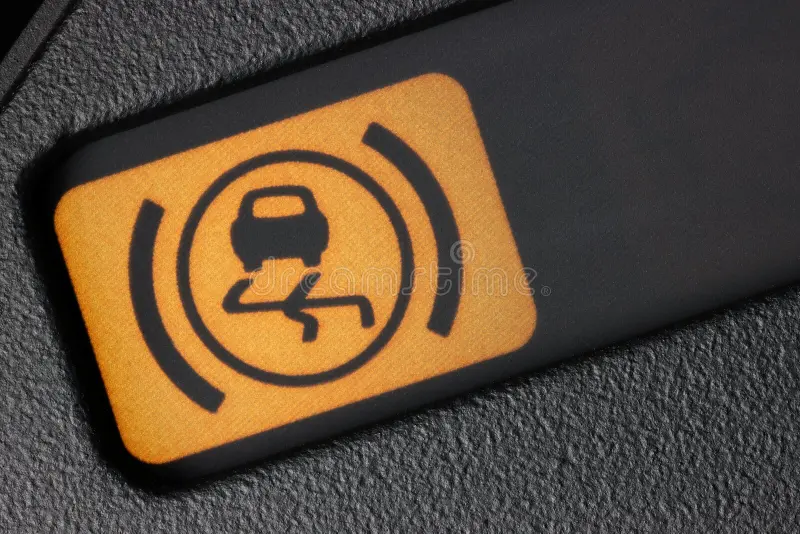
Worn tires are one of the most common causes of the anti-skid warning light coming on. Indeed, when tires are worn, they have less grip on the road, which can cause the wheels to skid.
When this happens, the anti-skid system kicks in and attempts to correct the problem. However, if the tires are too worn, they may not be able to do so effectively and the warning light will illuminate.
Anti-skid is an important safety feature in modern cars. It helps prevent wheels from skidding on wet or icy roads and can also help improve traction when driving on loose surfaces such as sand or gravel.
There are two main types of traction control systems: electronic and mechanical. Electronic systems use sensors to monitor the speed of each wheel and apply the brakes automatically if one starts spinning too fast. Mechanical systems use a limited-slip differential device, which allows some wheels to skid while others remain locked.
Both types of systems have their advantages and disadvantages. Electronic systems are generally more effective at preventing wheel skid, but they can be less reliable in off-road conditions where there may be a lot of dust or mud around the sensors. Mechanical systems are more likely to perform well in these conditions, but they can sometimes cause problems when cornering on dry roads, as they may cause excessive braking of the inner wheel.
Can Worn Tires Cause the Anti-Skid Warning Light to Come On?

Yes. There are several reasons why your anti-skid warning light may come on, but one of the most common is tire wear. When your tires become too bald, they cannot grip the road properly, which can trigger your anti-skid system.
This is because the system is designed to prevent you from skidding on slippery roads, so it activates when it detects that your tires do not have sufficient tread.
Does Low Brake Fluid Level Affect Anti-Skid?
One thing you don’t want to skimp on is brake fluid. A low brake fluid level can affect many systems in your car, including the anti-skid system. The anti-skid system prevents your car from skidding on wet or icy roads. If the brake fluid level is low, it can cause the system to malfunction and put you in danger.
You can take some steps to prevent this from happening. First, make sure to regularly check your brake fluid level and top it up if necessary.
If you notice changes in how your car handles slippery roads, take it to a mechanic immediately so they can check the anti-skid system. Following these simple tips can help ensure your safety on the road this winter.
What Are Two Things That Affect Traction and That You Can Control?
Traction is the force between two surfaces that allows one surface to move relative to the other. Traction can be affected by many factors, but there are two main ones you can control: tire pressure and tread depth.
Tire pressure impacts traction because it determines how much your tires contact the ground. The more contact your tires have, the more grip they will have on the road and the better your traction will be.
However, too high pressure can cause your tires to slide on wet or icy roads, so it’s important to find a balance.
Tread depth also affects traction, as it determines your tires’ ability to grip slippery surfaces. Deeper treads provide better grip than shallow treads, but they also wear out faster. This means you need to find a balance between having enough tread for good traction and not wearing out your tires too quickly.
How Do I Know If My Anti-Skid Is Broken?
There are a few things you can look for if you think your anti-skid might be broken.
Check if there is a warning light illuminated on your dashboard. If so, there is likely a problem with the system.
Another thing to check is unusual tire wear. If your tires are wearing unevenly or faster than usual, it could be a sign of a problem with the anti-skid system.
You might also notice that your car feels like it’s sliding or skidding more than usual when driving in slippery conditions; this could indicate that the anti-skid is not working properly.
Finally, listen for strange noises coming from under the hood; this could be a sign of a problem with one of the system’s components. If you notice any of these things, it’s best to take your car to a mechanic.
If your anti-skid is broken, it’s important to get it fixed as soon as possible. Otherwise, you could end up in a serious accident. Driving without anti-skid can be extremely dangerous, especially in slippery conditions.
How Long Does It Take to Repair Anti-Skid?
There is no definitive answer to this question, as the time needed to repair anti-skid can vary depending on the severity of the problem, the make and model of the vehicle. However, it generally takes a mechanic no more than a few hours to diagnose and repair anti-skid issues.
Tips
If you are experiencing problems with your anti-skid system, you should consult your owner’s manual for troubleshooting advice. If that doesn’t resolve the issue, you will need to take your car to a mechanic or dealership for more in-depth diagnosis and repairs. Be prepared to spend time and money on repairing your anti-skid system, but it will be worth it in the end!
Conclusion
There are several potential reasons why worn tires can cause the anti-skid warning light to come on in a vehicle. One possibility is that the tire tread is too low and doesn’t provide enough grip, which would trigger the warning light as an alert!
Another possibility is that there is a problem with the tire pressure sensor or another part of the system that monitors the condition of the tires. In any case, it’s important to have the issue checked by a mechanic so they can determine the exact cause and fix it accordingly.