


What is a Camshaft Position Sensor?
A camshaft position sensor is a component of a vehicle’s engine management system. As its name suggests, the sensor’s function is to monitor the rotational position of the camshaft relative to the crankshaft. This allows the onboard computer to know which of the cylinders is in its power stroke in the combustion sequence.
For efficient combustion to occur, the right amount of air/fuel mixture must be ignited at the right time. The camshaft is responsible for opening and closing the engine’s intake and exhaust valves. The speed at which the valves open and close depends on the engine load and speed. The valves need to be open longer at high speeds than at low speeds.
The computer combines the input from the cam position sensor and other sensors to determine the proper timings. The timings vary depending on engine load and speed, so the onboard computer adjusts the engine timings from time to time. Igniting the air/fuel mixture at precise moments in the combustion cycle ensures the engine runs smoothly and efficiently.
Symptoms of Bad Camshaft Sensors
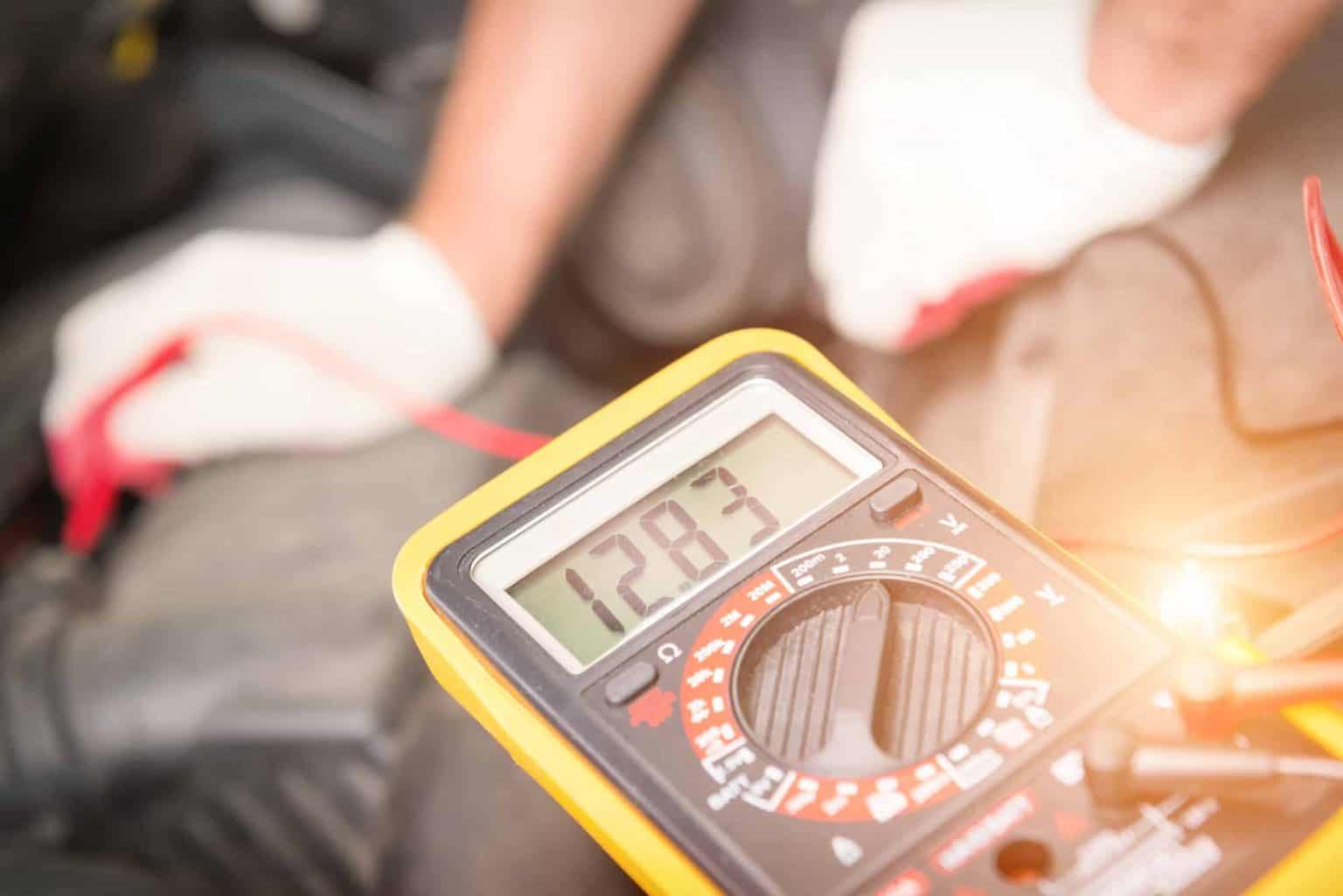
The camshaft sensor is part of the engine’s timing system. If the sensor is faulty, it will affect how the engine runs and behaves. Faulty sensors will cause misfiring, backfiring, or loss of power. Faulty cam sensors will also trigger the Check Engine light and the computer will put the vehicle into limp mode.
Check Engine Light
The cam position sensor is one of the sensors that triggers the Check Engine warning if it fails. The camshaft position sensor works in conjunction with other sensors in the engine. If one or more of the sensors are faulty (like the cam sensor), it will send a warning in the Check Engine light.
Misfires
Engine misfire is a sign associated with bad cam sensors. If the sensor is worn out, it may not provide the computer with the correct camshaft position. This causes the computer to determine the timings based on faulty sensor input. The computer will then send non-optimized timing signals to the injectors and ignition coils, causing engine misfires.
Backfires
Engine backfire is another sign of worn cam sensors. Like misfires, incorrect timings cause engine backfire. If the timing is off, the air/fuel mixture will leave the combustion chamber unburned. This unburned mixture can ignite in the exhaust system due to the heat from the exhaust manifold and exhaust pipes.
Struggling, Stalling, or Difficulty Starting
The engine struggling or stalling is another sign that the camshaft sensor is faulty. Faulty sensor inputs will cause the computer to unnecessarily retard or advance the timings. Bad sensors will also cause the valves to open too early or too late. This deprives the engine of the right amount of air needed for efficient combustion, resulting in a loss of engine power.
Shifting Problems
Modern vehicles are equipped with a fail-safe safety feature called “limp mode.” The car computer activates the feature if it detects a fault (such as a bad camshaft sensor) in the engine. When the vehicle is in limp mode, you will not be able to shift beyond second gear and accelerate your vehicle.
What Causes Camshaft Sensors to Fail?
Camshaft position sensors can fail due to normal wear and tear or mechanical damage. The sensors are prone to damage from contamination, vibration, and heat in the engine compartment.
Contamination and Corrosion
The cam position sensor is usually installed on the engine cylinder head. Broken gaskets and seals can cause oil and coolant to leak into the sensor. As with any electronic device, oil, water, and rust can short the sensor’s circuits.
Vibration
The engine produces a lot of vibration during operation. The sensors are designed to withstand these oscillations. However, too much engine vibration can increase sensor wear. This is further exacerbated by additional vibrations generated when the engine shakes violently due to incorrect timings and improper air/fuel mixtures.
Excessive Heat
Excessive heat is another cause of camshaft sensor failure. Heat in the engine compartment can cause the metal parts of the sensor to expand. This expansion will affect the sensor’s ability to send the correct input to the computer.
How Much Does It Cost to Replace a Camshaft Sensor?
Expect to spend between $100 and $250 for camshaft sensor replacement. Depending on your vehicle model, sensors cost around $20 to $50. As for the labor cost, the rate is typically between $75 and $100.
Remember that dealerships charge more than independent mechanics. In any case, you will still need to pay taxes and other fees for the service.
Can You Replace the Sensor Yourself?
Replacing the sensor is easy and you can do it yourself. You can save about $100 on labor alone by going this route. To swap out your bad sensor, please check out this video by Scotty Kilmer.
Make sure the sensor is compatible with your engine when purchasing a replacement. Buying an identical sensor also reduces the risk of having compatibility issues. Replacing the sensor takes about 30 minutes. This includes removal, installation, and testing.
How to Replace a Faulty Cam Position Sensor?
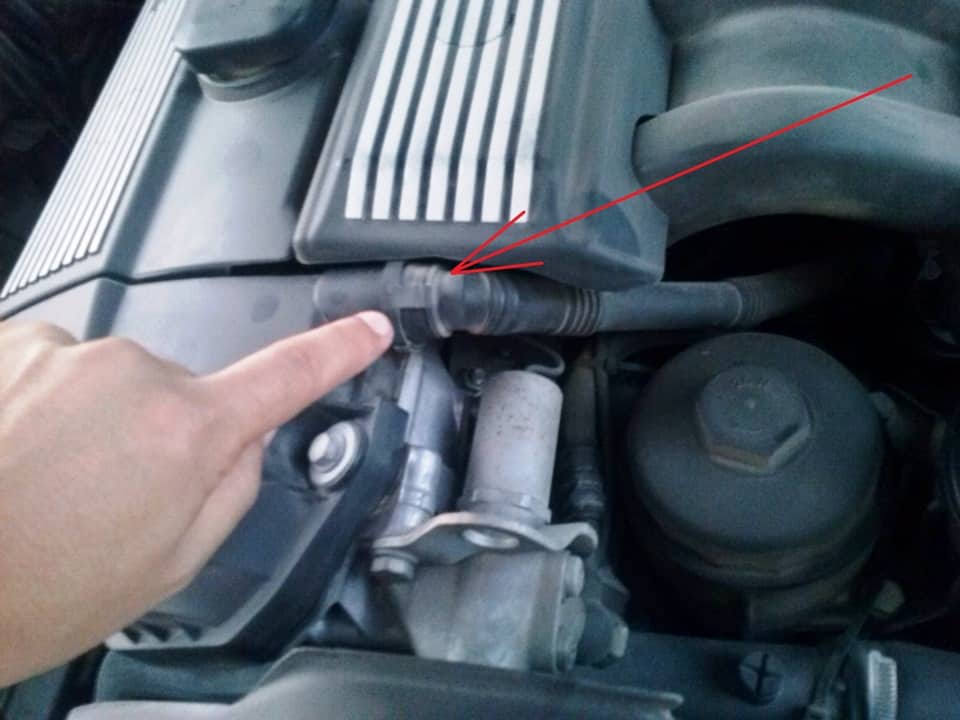
If you decide to change the sensor yourself, follow these simple steps:
- Park your vehicle on a flat, level surface.
- Turn off the engine.
- Remove the negative (black) cable from the battery from its terminal on the battery.
- Locate the camshaft position sensor around the engine cylinder head. If you have trouble, consult your manual.
- Unplug the sensor connector.
- Remove the sensor from the cylinder head. Sensors are usually secured by bolts.
- Install the new cam position sensor.
- Reinstall the sensor connector.
- Reconnect the black battery cable to its corresponding terminal.
- Start the engine and check if the Check Engine light is on.
- If there is no Check Engine light warning, take your vehicle for a road test.
- If the engine runs well, congratulations, the replacement is successful!
Is It Safe to Drive with a Bad Cam Position Sensor?
The short answer is no. Driving with a bad camshaft sensor poses a huge safety risk and could further damage your engine. Losing engine power while driving on the highway is dangerous, especially due to the amount and speed of traffic. You risk being rear-ended by another vehicle when you suddenly lose power.
You can still drive the vehicle, albeit in limp mode, as mentioned above. Do not attempt to drive the car longer than necessary. Faulty camshaft sensors can cause serious engine damage if ignored. Engine systems are designed to operate interdependently. If the cam position sensor is faulty, it will negatively affect the ignition and fuel delivery systems.
If your vehicle shows any of the signs and symptoms of worn cam sensors, take your car for repair immediately or replace the sensor yourself.
How to Test a Bad Camshaft Sensor?
If you suspect the camshaft sensor is faulty, check the computer for fault codes using an OBD2 scan tool. If the cam sensor is faulty, the scanner will generate codes indicating the problem.
If you don’t have an OBD2 scanner, check the sensor for damage before testing its circuits. Check the sensor for loose connections, contamination, debris, cracks, and other deformities. If there is no visible damage to the sensor, there may be a problem with the sensor circuit.
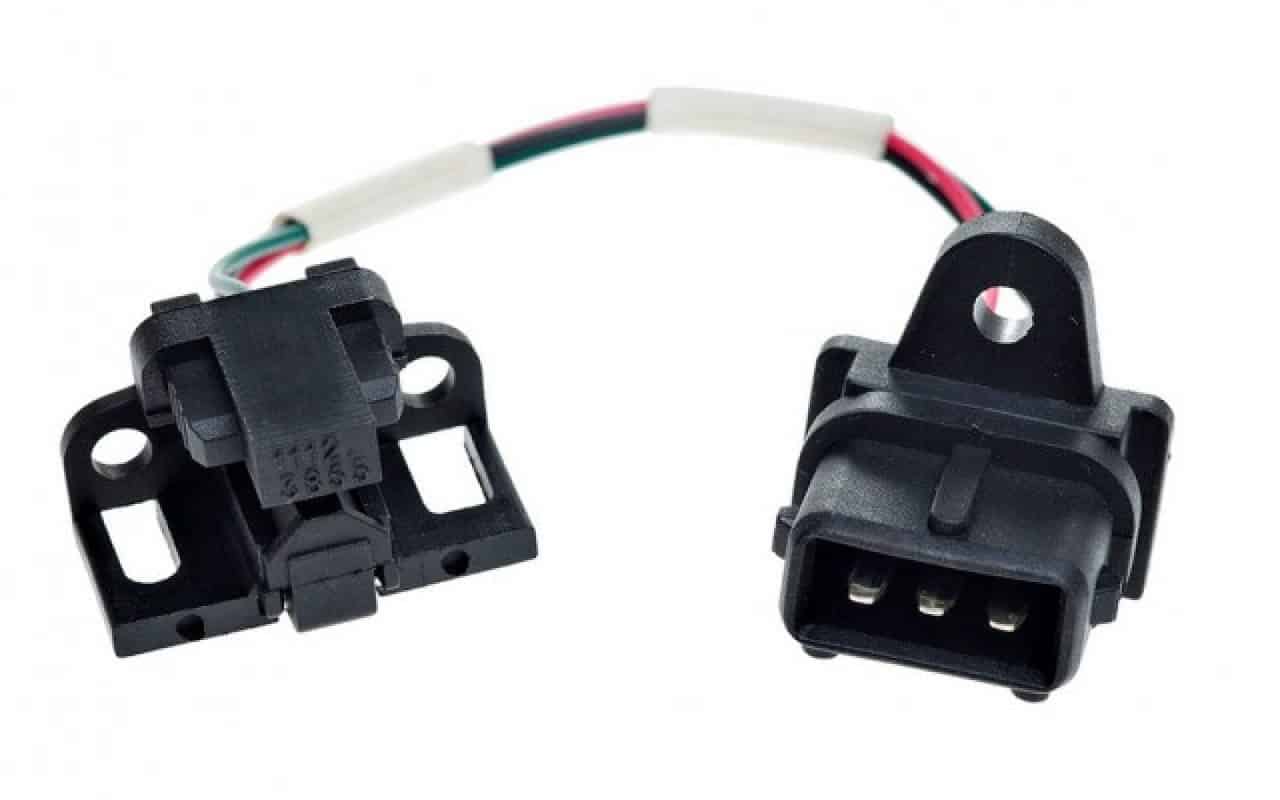
Testing bad camshaft sensors is simple and you only need a multimeter. Most modern vehicles use either the magnetic type camshaft sensor or the Hall effect camshaft sensor. The sensors are tested in situ with the ignition on, and again while the engine is running.
To test the Hall effect sensor, put the black multimeter probe in contact with the ground wire. Then connect the red probe to the sensor’s signal wire. The voltage across the device should comply with the voltages specified by the manufacturer. If the voltage reading is lower than specified or there is no signal, the sensor is faulty.
To test magnetic sensors, first put the black probe of the multimeter in contact with any ground point (i.e., engine block, valve cover, engine bolts, etc.). Then connect the red probe to one of the sensor’s signal wires. If the voltage reading does not fall within the specified voltages, the sensor is faulty.
Conclusion
A working camshaft position sensor allows your engine to run smoothly and efficiently. Replace damaged sensors immediately to avoid damaging your engine. Since replacing the sensor is easy, the best option is to replace it yourself to save money.