
BYD Aims to Revolutionize Electric Vehicle Efficiency
The Chinese automotive giant BYD has achieved a significant milestone in its quest to optimize electric vehicle performance. With the recent validation of four key patents by the China National Intellectual Property Administration (CNIPA), the company is poised to tackle a longstanding challenge for EVs: excessive energy consumption at high speeds. This breakthrough signals a strategic move to enhance the real-world usability of electric cars, particularly for long-distance travel.
Addressing the Highway Efficiency Gap
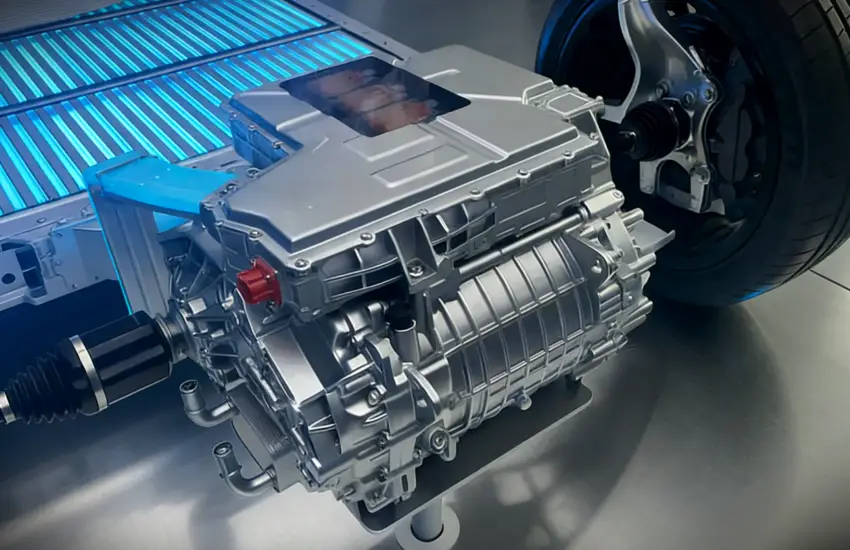
While electric vehicles excel in urban settings with regenerative braking, maintaining high speeds on motorways traditionally drains battery power rapidly. BYD’s newly patented technology focuses on this specific weakness. The core innovation involves an advanced powertrain system designed to operate with remarkable efficiency under constant, high-load conditions typical of highway driving. This development could substantially reduce the frequency of charging stops during intercity journeys.
Inside the Patented Powertrain System
The technical details, as revealed in the patent documents, point to a sophisticated integration of motor and power management systems. The technology appears to optimize the electric motor’s operational range, minimizing energy losses that typically occur when sustaining speeds above 100 km/h. By refining the power delivery and thermal management, BYD’s system aims to deliver more kilometers per kilowatt-hour when it matters most to drivers.
This advancement is more than an incremental improvement; it represents a targeted engineering solution to a well-defined problem. If successfully implemented in production vehicles, this technology could shift consumer perceptions, making electric cars a more compelling choice for drivers who regularly undertake long highway commutes or road trips.