
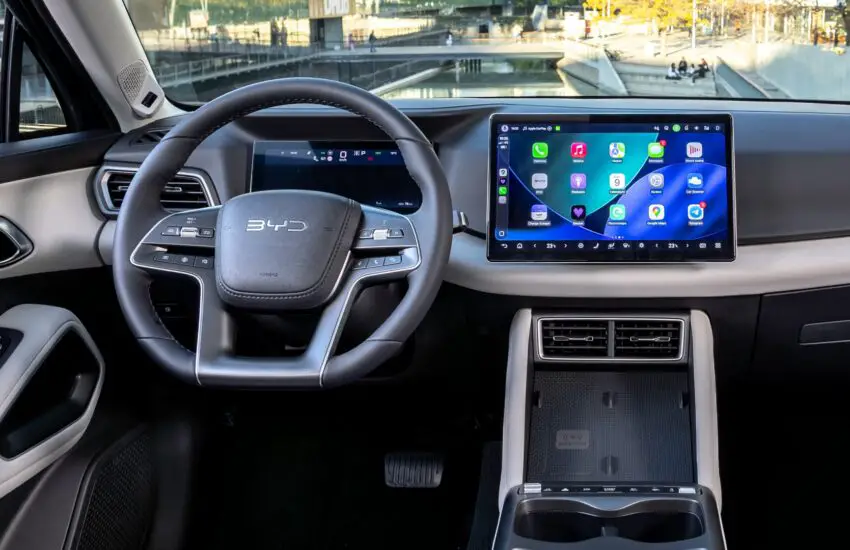
Why BYD is Phasing Out Rotating Screens
BYD, a leading electric vehicle manufacturer, has decided to remove its signature rotating infotainment screens from future models. This feature, once a hallmark of their interior design, provided a unique “wow” factor but is now being retired due to practical considerations and evolving user needs.
Practical Limitations and Functional Constraints
The rotating screen, while visually impressive, presented several functional challenges. It was incompatible with certain applications and features that require a fixed screen orientation, leading to a disjointed user experience. Additionally, the mechanism added complexity and potential points of failure without delivering significant everyday utility for most drivers. The decision reflects a shift towards prioritizing seamless software integration and reliability over flashy, but less practical, hardware gimmicks.
Strategic Shift Towards User-Centric Design
This move signals a broader strategic pivot for BYD towards a more holistic and user-focused design philosophy. The company is reallocating resources from novel hardware features to enhancing core aspects of the driving experience. This includes improving software stability, expanding connectivity features, and refining the overall human-machine interface (HMI) to be more intuitive and efficient for daily use.
Implications for the EV Market
BYD’s choice to abandon a distinctive feature like the rotating screen highlights a maturation in the electric vehicle industry. As the market evolves, competition is increasingly centered on software excellence, battery efficiency, and overall value rather than singular, stand-out hardware components. This trend suggests a future where seamless digital ecosystems and practical innovation take precedence over isolated technological showcases in vehicle interiors.