
In Brussels, All Packages and Letters Are Now Delivered with Electric Vehicles
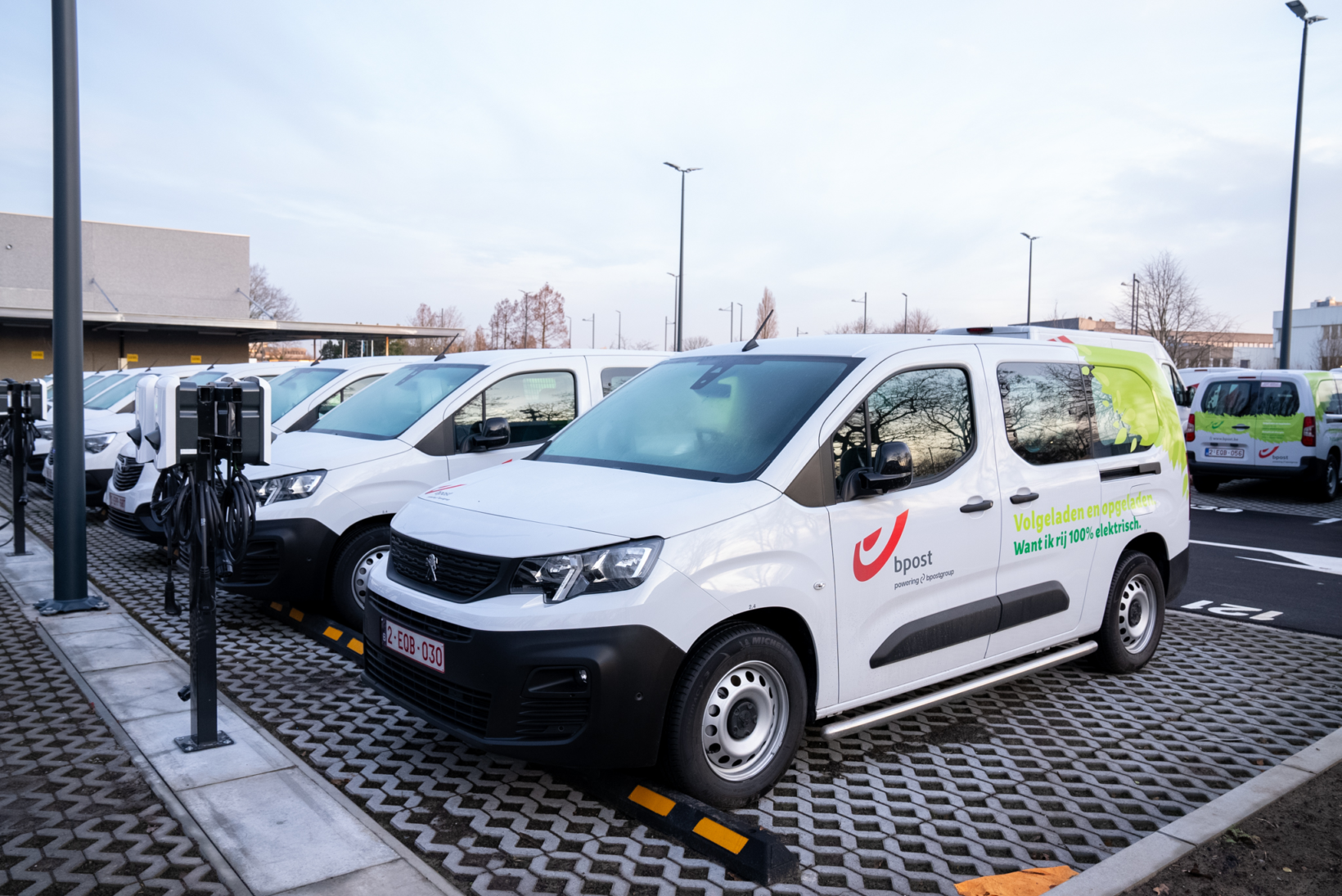 |
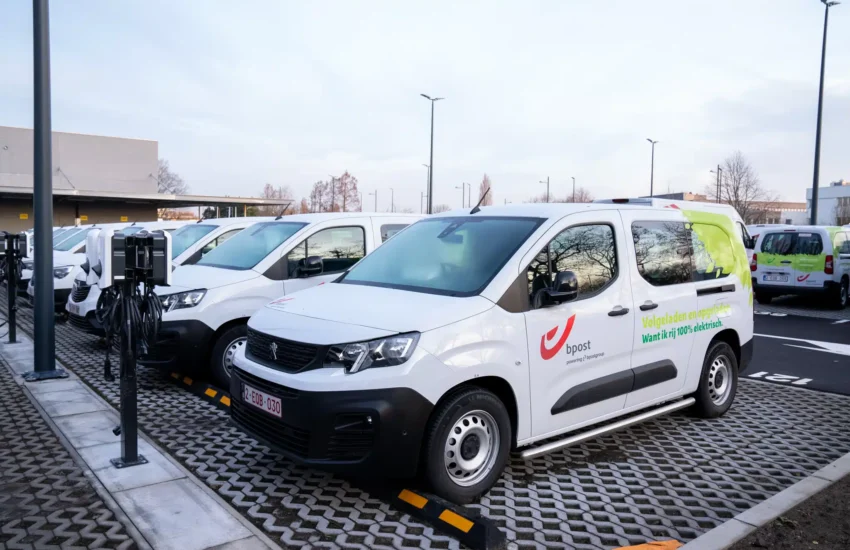
The Belgian postal service now only delivers using non-polluting means in Brussels. This is a major first in Europe! In the capital of Belgium, all deliveries are made with electric vans or electric bicycles. |
A Green Revolution in Urban Logistics
Brussels is becoming the first European capital to implement fully electrified postal delivery. This historic transition marks a decisive turning point in how postal services approach environmental challenges. The deployment of this zero-emission fleet represents the culmination of several years of strategic planning and substantial investments in charging infrastructure.
Concrete Environmental Benefits
The complete electrification of Brussels’ delivery fleet generates immediate and measurable environmental impacts. The reduction in CO2 emissions is estimated at several thousand tons annually, significantly contributing to improved air quality in the capital region. The reduction in noise pollution represents another major advantage for residents, with much quieter vehicles during distribution rounds.
A Diverse Fleet for All Needs
The Belgian postal service has opted for a pragmatic approach by deploying different types of electric vehicles adapted to various operational constraints. Electric vans cover sectors requiring significant loading capacity, while electric cargo bikes handle deliveries in the densest areas and pedestrian city centers.
Charging Infrastructure: A Key Element
The success of this project relies on the parallel development of a high-performance and strategically distributed charging network. Charging stations have been installed in main sorting centers, and intermediate charging points have been deployed to ensure service continuity throughout the day. This infrastructure allows for optimized delivery schedules without compromising vehicle range.
A Reproducible Model for Other Cities
The Brussels experience now serves as a reference for other European metropolitan areas considering a similar transition. Data collected on operational performance, maintenance costs, and driver acceptance provide valuable insights to facilitate broader adoption.
Overcome Technical Challenges
Implementing this ambitious project was not without challenges. Adapting postal warehouses, training staff in the operation and maintenance of electric vehicles, and optimizing routes based on available range required a complete overhaul of established processes.
Evolution Prospects and Future Innovations
This transition to electric is just a first step in the ecological modernization of postal services. Experiments are underway to integrate even more advanced technologies, including intelligent fleet management systems, algorithmic route optimization, and the gradual incorporation of autonomous vehicles under controlled conditions.
The Belgian postal service’s commitment to sustainable mobility is part of a long-term vision that goes beyond simply renewing the vehicle fleet. This initiative demonstrates the technical and economic feasibility of decarbonized urban logistics and paves the way for a deeper transformation of the urban goods transport sector.