
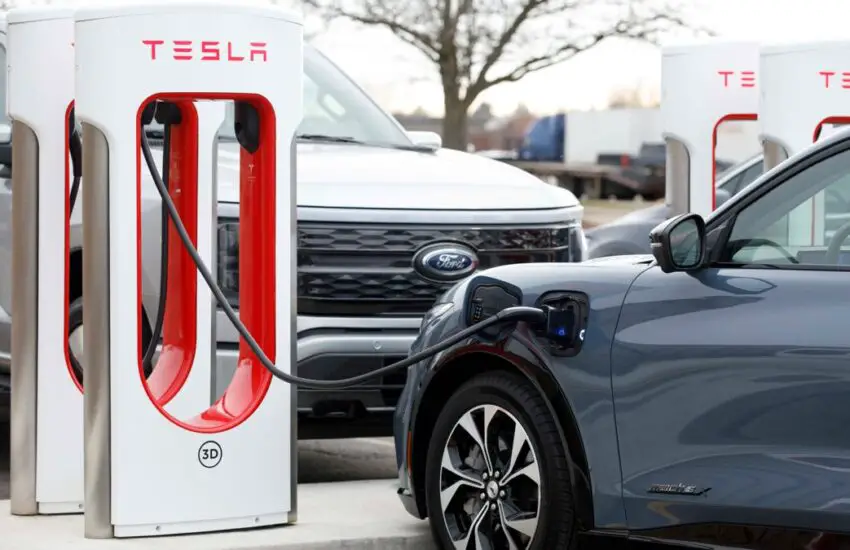
The Tesla Charging Adapter Challenge
Tesla’s extensive electric vehicle charging network stands as one of its most significant achievements. For years, this exclusive benefit served as a compelling reason to choose a Tesla, as other electric models couldn’t access its stations. Although Tesla opened its charging network to all brands in 2022, the immediate demand for compatible charging adapters wasn’t adequately met.
The NACS Standard Revolution
The North American Charging Standard (NACS) has emerged as a game-changer in EV infrastructure. Originally proprietary to Tesla, this streamlined connector system offers superior power delivery and user convenience compared to competing standards. As major automakers announce plans to integrate NACS ports directly into future vehicles, the transition period creates substantial adapter requirements for current EV owners.
Third-Party Solutions Enter the Market
Innovative companies recognized the opportunity to develop reliable adapter solutions during this transitional phase. These third-party manufacturers have filled critical gaps in accessibility, enabling non-Tesla EVs to leverage Tesla’s vast Supercharger network. The adapters undergo rigorous testing to ensure compatibility and safety standards, providing peace of mind for consumers navigating the evolving charging landscape.
Impact on EV Adoption
Wider adapter availability directly supports electric vehicle adoption by eliminating charging anxiety. Drivers no longer face restricted access to North America’s most developed charging infrastructure. This interoperability breakthrough represents a crucial step toward standardized EV charging, benefiting both current owners and prospective buyers evaluating their electric vehicle options.
Future of Charging Compatibility
As automotive manufacturers increasingly standardize around NACS technology, the role of adapters will evolve from necessity to convenience. The current adapter solutions provide an essential bridge during this industry-wide transition, demonstrating how aftermarket innovation can accelerate sustainable transportation goals while main charging infrastructure continues to expand and standardize.