
Brembo Engineers a New Era of F1 Braking
The 2026 Formula 1 season represents a fundamental shift in the sport’s technical philosophy. With new power unit regulations emphasizing increased electrical energy recovery and a near-50/50 split between internal combustion and electric power, every component is being scrutinized. Brembo, the iconic brake supplier, is at the forefront of this revolution, completely re-engineering its braking systems to meet the unique demands of the future.
Adapting to a New Performance Profile
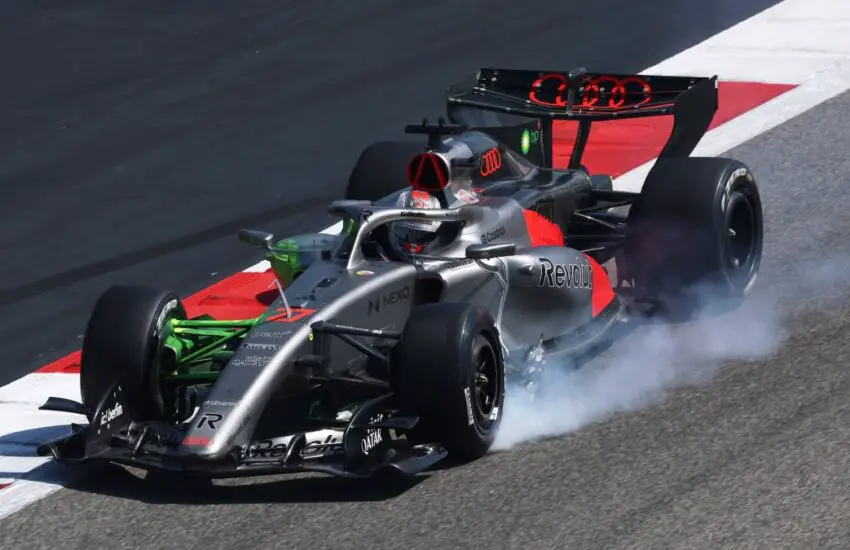
The 2026 cars will be lighter, with more active aerodynamics, and will rely heavily on their electric motors for deceleration through regenerative braking. This significantly alters the thermal and mechanical workload placed on the traditional friction brakes. Brembo’s challenge is to develop brake discs and calipers that perform optimally under a new, more sporadic duty cycle. The systems must deliver maximum stopping power instantly, even after laps of minimal use, while managing complex thermal dynamics.
The Core Technical Challenges
Key focus areas include advanced carbon compounds for discs that can handle extreme temperature fluctuations without degradation. Caliper design must evolve for even greater stiffness and precision to allow drivers to blend friction and regenerative braking seamlessly. Furthermore, weight reduction remains paramount, as every gram saved on the braking system can be redistributed for optimal vehicle balance. The integration of brake-by-wire controls with the car’s sophisticated energy recovery software is another critical layer of this development.
Redefining the Driver’s Tool
Ultimately, Brembo’s innovation will reshape the driving experience. The braking phase, a critical overtaking opportunity, will become a more complex interplay of systems. Drivers will need to trust that their brake pedal delivers consistent feel and monumental power, enabling them to push the limits later into corners. For Brembo, 2026 is not an update; it’s a ground-up reinvention to define braking performance for the next generation of hybrid Formula 1.