
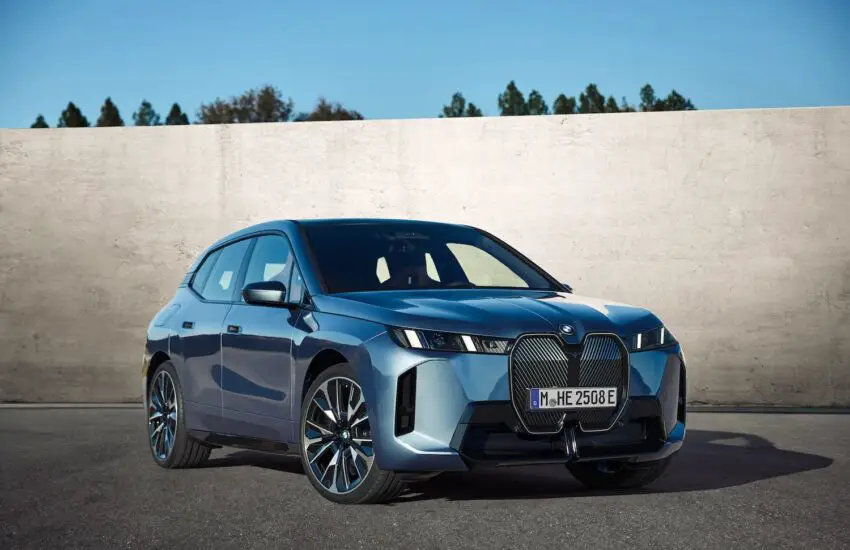
BMW’s Electric Vehicle Momentum Cools in 2025
The German automotive giant BMW has released its full-year figures for 2025, revealing a pivotal moment in its electrification journey. While the company delivered a record 442,072 all-electric vehicles, the staggering growth rates of previous years have notably tempered. This shift indicates a new phase of maturation for the electric vehicle sector, where expansion is becoming more measured and competitive.
A New Phase of Measured Expansion
The significant volume of BEV sales underscores BMW’s successful transition, with models like the i4, iX, and i7 finding solid market acceptance. However, the declining growth percentage points to broader industry headwinds. Factors such as the gradual reduction of government incentives in key markets, ongoing consumer concerns over charging infrastructure, and increased competition from both traditional rivals and new entrants are creating a more challenging landscape. BMW’s experience mirrors a wider industry trend where the initial surge of early adopters is giving way to the more pragmatic mainstream buyer.
Strategic Resilience and Future Outlook
Despite the slowdown, BMW’s strategy appears resilient. The company has consistently emphasized a “power of choice” approach, offering efficient combustion engines, plug-in hybrids, and battery-electric vehicles on flexible architectures. This diversification may cushion the impact of fluctuating EV demand. Furthermore, BMW is banking on its next generation of Neue Klasse vehicles, set to launch in the coming years, to reinvigorate growth with advanced battery technology and software-defined features designed to appeal to the next wave of customers.
The 2025 results highlight that the road to electrification is not a simple, constant upward trajectory. For BMW and the industry, success will increasingly depend on navigating complex market realities, evolving regulations, and technological innovation to attract a broader customer base beyond the early enthusiasts.