
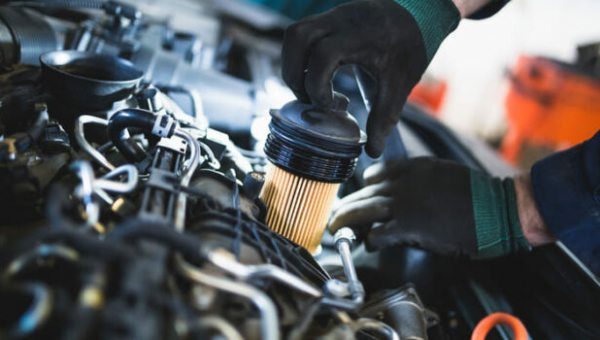

We’ve filtered out the worst to leave you only the best oil filters.
Oil is the lifeblood of your car; it keeps the working parts of your engine in good working order by letting them slide against each other, meaning you get the best performance. Just as you wouldn’t want dirty blood circulating around your body, you don’t want dirty oil flowing around your car’s engine. Ensuring this never happens is the role of the oil filter, and a poor-quality filter can shorten your engine’s lifespan and cause other serious problems. It may be a small part of your car’s lubrication system, but it plays a very big role. There are several types of oil filters. So our guide will introduce you to some of the best oil filter brands and tell you which is the best oil filter to use.
WHAT IS THE PURPOSE OF AN OIL FILTER?
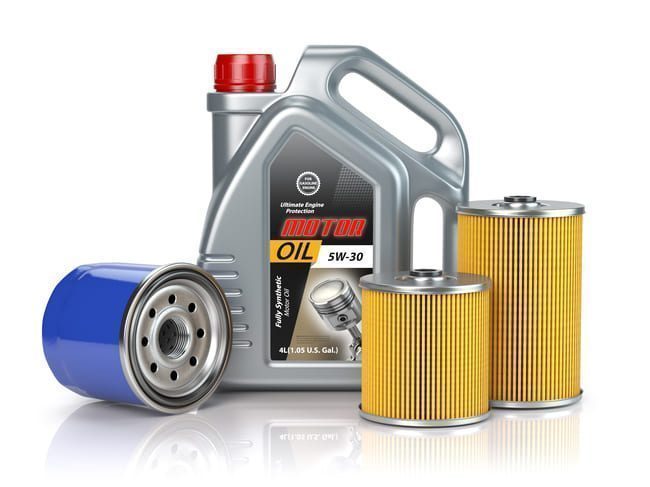
To put it simply, the oil filter removes dirt, sediment, or other impurities from the engine oil as it circulates around your engine. It plays an absolutely crucial role in ensuring your engine runs properly. It is a small cartridge containing a filtration system, which is connected to the engine, and the location of the oil filter is usually the same in all cars. When the oil has circulated around all the moving parts of the engine, it is then pumped through the filter, which removes impurities and contaminants.
Dirt and sand can enter the engine in various ways, and if even small particles of hard substances get into the oil flow, they can rub up and down against essential parts of the machinery (mainly the pistons and cylinders) and can wear them out much faster. In the worst case, one of these pieces of dirt or stone can be large enough to lodge in a part of your engine and prevent a piston from moving or a valve from closing. This would have serious consequences on your engine’s overall performance and could lead to very expensive repairs. The oil filter ensures this does not happen.
Oil filters do not last forever. Over time, dust and dirt build up in the oil filter and it begins to clog. It stops working as effectively as before and it’s time to replace it. The duration depends, as we will see below, on the quality or type of oil and filter and driving conditions.
BUT WHY DO I NEED A GOOD OIL FILTER FOR MY CAR?
In addition to the damage caused by unfiltered oil described above, using a bad filter can cause oil leaks and a poorly fitted filter can simply fall off – certainly something that won’t be good for your car when you’re speeding down the highway late for an important meeting.
Many manufacturers recommend getting a new oil filter every time you change your oil. This can range from 3,000 to over 15,000 miles. That’s a lot of mileage, so it makes sense to get the best possible oil filter. This is especially true when using synthetic oil, as it contains additives and detergents that prevent dirt particles from settling in the engine. This means they don’t need to be changed as often, but the filter has to work much harder. Getting a high-quality filter will limit the risk of these floating particles damaging engine parts.
A top-notch filter will also protect against oil oxidation. Regardless of the situation or conditions, oil reacts with oxygen in a process called oxidation. This ongoing chemical reaction increases the oil’s viscosity and makes it less effective, in addition to causing sludge buildup. An oil filter prevents the physical byproducts of this from entering the engine and prevents it from being damaged.
The engine always operates at high temperatures, and preventing it from overheating is also one of the many tasks of the oil filter. A buildup of dirt and impurities in the oil can reduce thermal conductivity, meaning the oil draws less heat away from the engine’s moving parts. This will cause the engine to overheat, just as when poor-quality oil is used.
Perhaps the greatest benefit of a good oil filter is extended engine life. Since the filter allows oil to flow cleanly and smoothly, removing any debris that could cause damage, your engine will always be powerful and last a long time.
WHAT MAKES A GOOD QUALITY OIL FILTER?
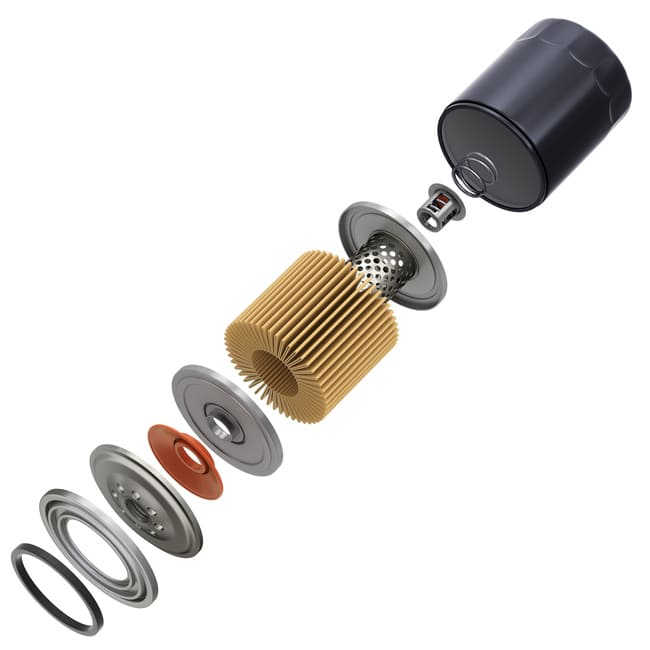
The key elements of an oil filter are the filter element, the anti-drain back valve, and the gasket or seal. The materials they are made of can have a direct impact on the oil filter’s effectiveness.
Anti-drain back valves prevent oil from flowing back into the reservoir unfiltered and can be made of rubber or silicone. Rubber valves are cheaper and often indicate rather poor quality, although they may be suitable for engines using conventional non-synthetic oils. Overall, they tend not to last as long and often become quite stiff after about 3,000 miles of use. The fact that they are not as flexible can mean they do not form a tight enough seal. Silicone, on the other hand, lasts much longer and retains its flexibility, but is more expensive than rubber. As is often the case, you get what you pay for. Silicone can go 6,000 to 8,000 miles and still reseal. It therefore makes a good seal and prevents unfiltered oil from flowing back.
The type of filter element is also very important in determining the filter’s effectiveness at keeping the oil clean. This is the material that actually filters the oil. It is made of cellulose, synthetic material, or a blend of both and can often look like cardboard. Synthetic elements are usually made from polyester, glass, cotton, or nylon and have better filtration capacity due to tightly woven fibers. They can capture even tiny impurities in the fluid without slowing the oil flow and are very difficult to tear or rip, making them robust with great longevity. Cellulose elements are cheaper than synthetic elements, but the quality is worse. Blended elements offer a better choice in terms of cost and performance. Some high-quality oil filters have a metal mesh on top of the filter element, which removes larger pieces of debris before the oil reaches the filter element. This protects the material and ultimately makes it last much longer.
The oil filter’s capacity refers to the filter’s ability to hold the contaminants it extracts from the oil and continue to function effectively, meaning it does not need to be replaced. The type of element and the filter’s construction will impact this capacity. The higher the capacity, the more miles you will get out of it. Some high-quality filters will have a bypass valve that allows unfiltered oil to enter the engine, so it can continue to operate. Others, which do not have this bypass valve, may prevent any oil from entering the engine when they reach their capacity.
The size and shape of the filter are also worth considering, as not all filters fit all cars. Your manufacturer may also recommend certain filters or be designed for a specific filter. For example, some Land Rover models may be fitted almost exclusively with Wix oil filters due to their size. There are no common standards for oil filters, meaning each car brand and model has its own specifications. The oil filter’s weight and housing design determine whether it can be installed in your car or not. Make sure the filter’s specifications match your car’s requirements as outlined in the owner’s manual. If the oil filter housing is too heavy, it can also affect your vehicle’s performance.
THE TOP 7 OIL FILTER BRANDS
1. BOSCH

For conventional and blended filters, Bosch may offer the best oil filter on the market. Their filters feature a robust, thick blended filter element with high glass content and the ability to hold up to 14 grams of dirt. They are sturdy, reliable, and fit well in most Asian and European vehicles.
2. MANN-FILTER
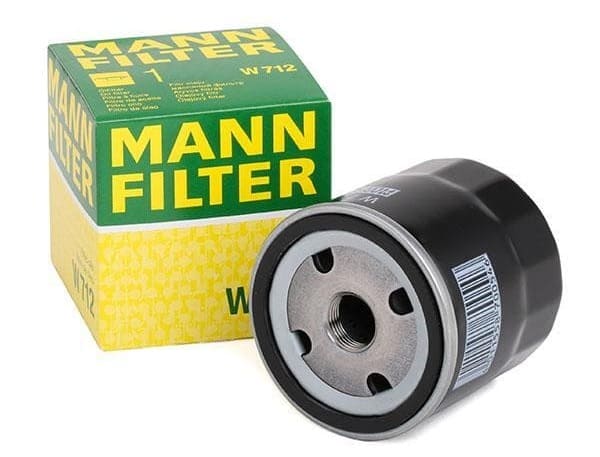
Mann-Filter focuses on high performance and incredible durability. Their filters feature anti-drain back and bypass valves, and the filter elements have been specially designed for modern engines. They offer a wide variety and claim to be the safest option and the trucker’s choice of oil filter.
3. MAHLE ORIGINAL

Mahle offers very interesting options for those looking for a new replacement oil filter. In addition to selling premium oil filters with fully synthetic elements, they also have the cheaper and more environmentally friendly option of replacing only the element itself rather than the housing, an “oil filter cartridge” as they call it.
4. K&N

For racing and high-speed driving, K&N offers the perfect design. A nut at the bottom and slots on each side help keep the filter in place, even during high-speed travel. It has a silicone anti-drain back valve and a thickness of 77mm, which is thicker than your average filter.
5. VALEO

Valeo filters are designed to provide the highest standards of filtration quality and meet all their users’ needs. Their impressive oil filter technology blocks particles as small as 40 microns (40 µm), half the width of a human hair.
6. BLUE PRINT
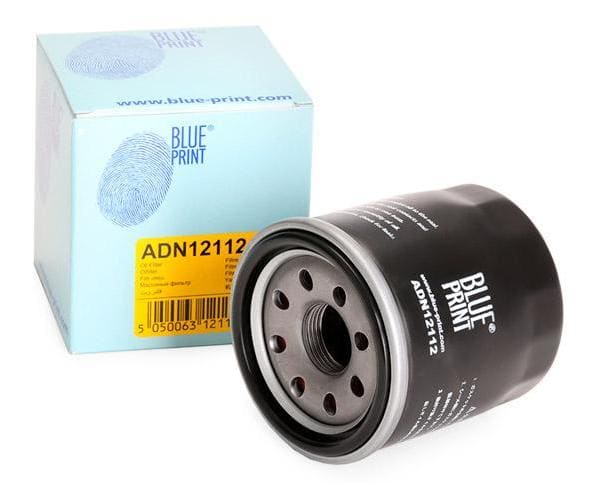
Blue Print offers filters for gasoline, diesel, electric, and hybrid cars, and their replacement filters are designed to meet the required standards of most vehicles so they can be easily replaced. Blue Print filters are made from premium materials.
7. STARK
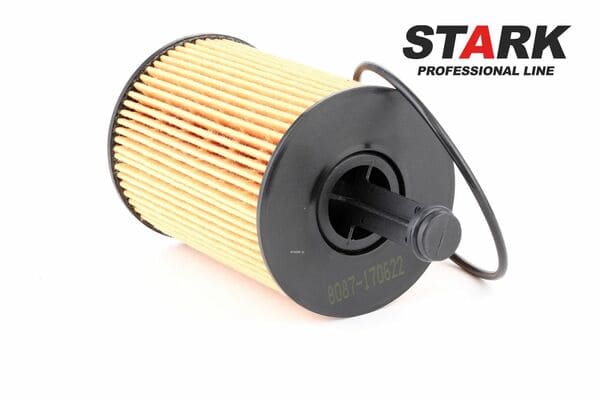
Stark products claim to offer long life, good flow, and reliable rubber sealing elements. They are equipped with anti-drain back and bypass valves to ensure timely oil supply immediately after starting the engine and avoid damaging its components if the filter element has reached its capacity.