
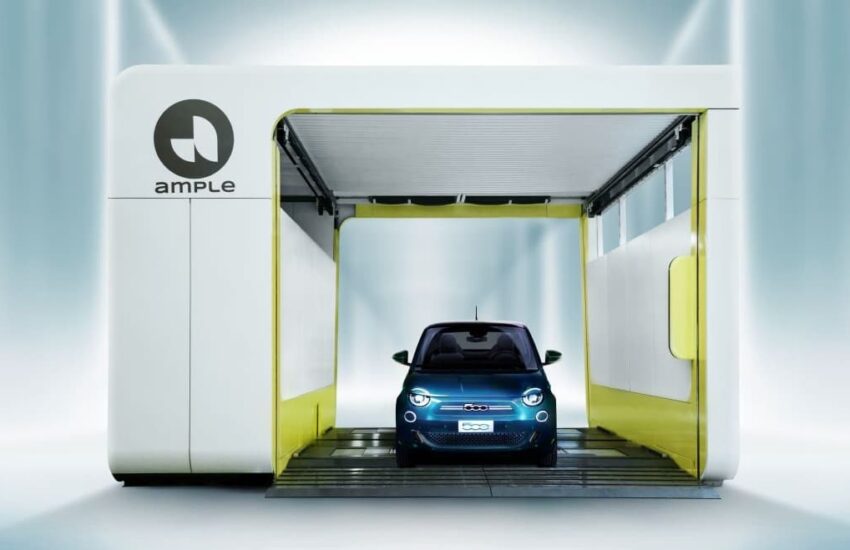
The Struggle to Standardize EV Battery Swapping
While rapid charging networks expand globally, an alternative model for powering electric vehicles continues to face significant hurdles outside of China. Battery swap technology, which allows drivers to exchange a depleted battery for a fully charged one in a matter of minutes, promises to eliminate charging wait times. However, its adoption in Europe and North America remains limited, caught in a cycle of logistical and commercial challenges.
Key Barriers to Widespread Adoption
The primary obstacle is the lack of standardization across the automotive industry. Unlike in China, where a few major players and supportive regulations have pushed for common standards, Western markets feature a wide array of vehicle platforms, battery chemistries, and pack designs from different manufacturers. This fragmentation makes it economically unviable to build a universal swap station network, as each would need to stock numerous incompatible battery types.
Furthermore, the business model presents high upfront costs. Establishing a network of swap stations requires massive investment in real estate, robotics, and maintaining a large inventory of expensive battery packs. This contrasts with the relatively lower infrastructure cost of deploying fast-charging points. Consumer sentiment also plays a role; many drivers are psychologically attached to their vehicle’s specific battery and may be hesitant to exchange it for a pack of unknown history and health.
A Niche Future Versus Mass Market
Despite these challenges, the model is finding niche applications. Commercial fleets, such as taxis, delivery vans, or buses operating on defined routes, present a more feasible use case. These vehicles often use standardized models and can benefit immensely from the minimal downtime offered by swapping. Some startups are focusing exclusively on these segments, avoiding the complexities of the consumer market.
The evolution of battery technology itself adds another layer of complexity. As energy density improves and charging speeds increase, the core advantage of swapping—speed—is being eroded. The future of this technology outside China likely rests not in head-to-head competition with ultra-fast charging, but in serving specific commercial sectors where operational efficiency outweighs the substantial initial investment.