
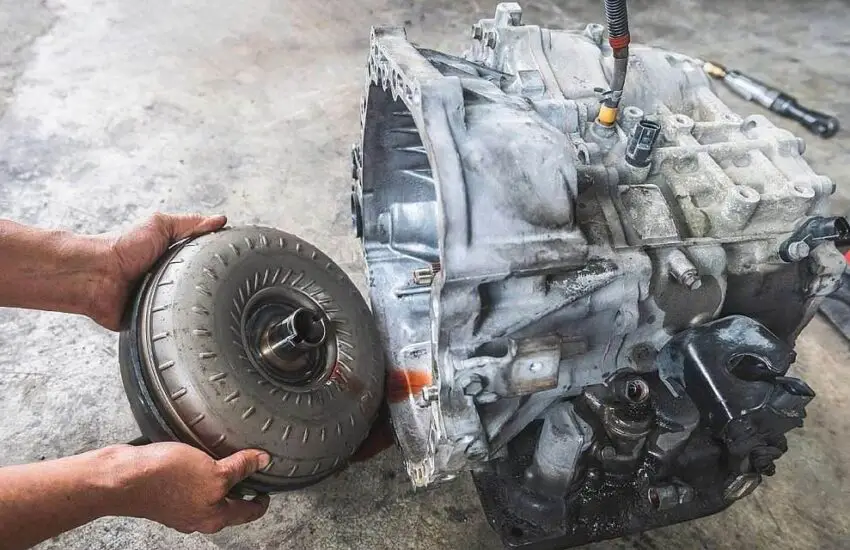
Every vehicle owner knows the importance of regular maintenance, but understanding the nuances of your car’s vital components can be a game-changer, particularly the bad torque converter or bad transmission.
In the vast network of machinery that ensures your car runs smoothly, two components play a central role: the torque converter and the transmission.
Both have their unique functions, and when either goes wrong, it can be a nightmare for any car owner. To resolve issues effectively, a deeper understanding is needed. Let’s embark on this informative journey.
What is a Torque Converter?
The torque converter, an often unsung hero, bridges the gap between the engine and the transmission. It’s an essential component that regulates the flow of power from the engine to the transmission, especially when the vehicle is stationary.
Function of a Torque Converter
Imagine a dance duo where one partner must interpret the other’s movements and respond accordingly to produce a beautiful performance.
The torque converter acts similarly, ensuring that the engine and transmission are synchronized. It translates the engine’s power and transfers it to the transmission using hydraulic fluid, ensuring that both can operate independently while remaining connected.
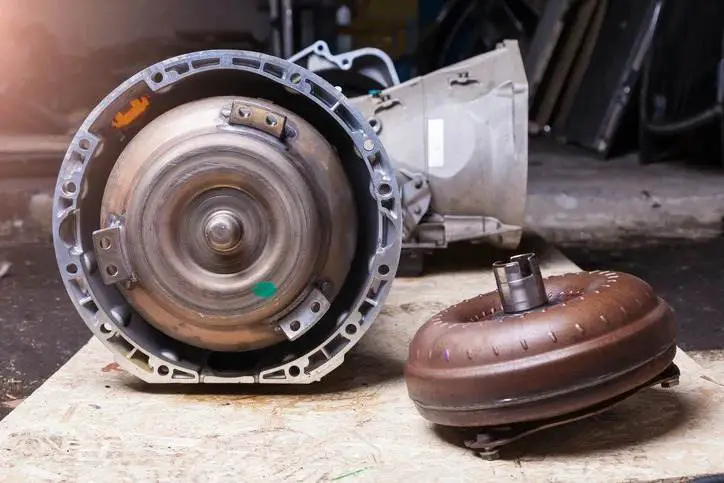
What is a Transmission?
The transmission is akin to the brain of your vehicle’s movement. It’s a complex system designed to ensure that the power generated by the engine is used effectively to move the car.
Function of a Transmission
If you’ve ever ridden a bicycle on different terrains, you’ll know the importance of shifting gears.
It ensures efficiency and saves energy. In cars, the transmission takes on this role, adjusting the power output according to the vehicle’s needs, ensuring a smooth drive whether you’re accelerating on a highway or navigating city streets.
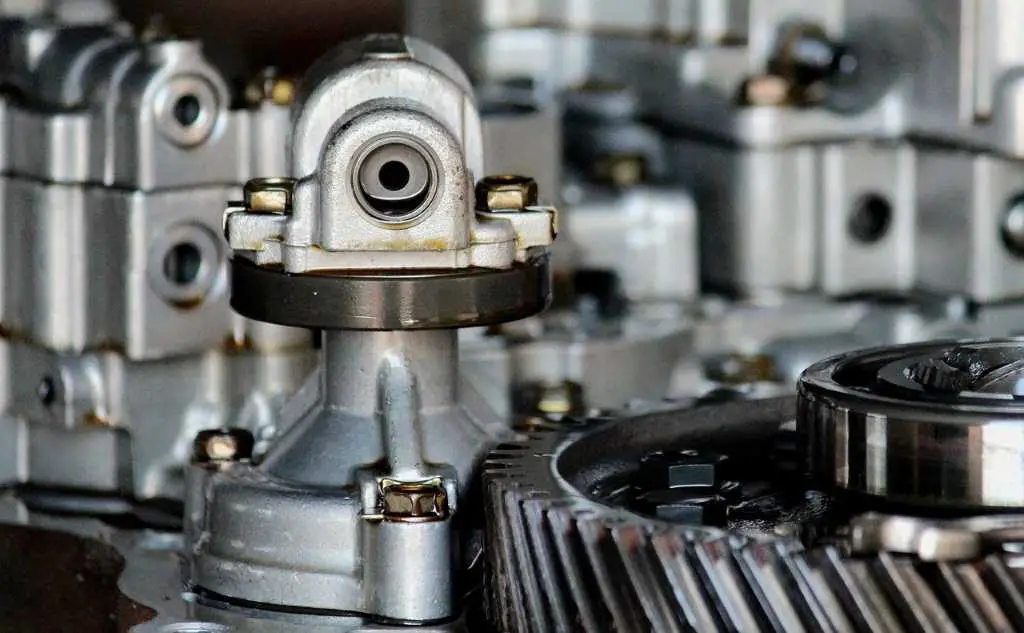
Differences Between a Bad Torque Converter and a Bad Transmission
Signs of a Bad Torque Converter
A faulty torque converter may not always grab attention, but vigilant car owners can spot subtle clues:
Slipping
It’s a troubling feeling when your car, in the middle of a drive, feels like it’s losing its grip, almost like a sudden power outage. This can be attributed to the torque converter failing to maintain the necessary hydraulic pressure.
Overheating
Cars have a way of signaling distress. If your dashboard suddenly flashes with a temperature warning, don’t ignore it. A misbehaving torque converter can cause transmission fluid breakdown, leading to overheating.

Shuddering
Remember those times when you try to start a stubborn lawnmower and it vibrates with resistance? If your car behaves similarly, especially during acceleration, it might indicate torque converter issues.
Signs of a Bad Transmission
If it’s the transmission acting up, the symptoms might be a bit more noticeable:
Delay or No Response
Imagine pressing a button on a remote and eagerly waiting for the TV to respond. Frustrating, right? A similar delay in your car’s movement after acceleration can hint at transmission problems.
Grinding or Strange Noise
A car shouldn’t sound like a morning alarm you wish to hit snooze on. Grinding, humming, or whining noises can be red flags signaling transmission issues.
Fluid Leak
Spotted a mysterious puddle under your car? If it’s a brownish or reddish fluid, it’s time to check for transmission fluid leaks, a clear sign of potential transmission problems.

The Effects on Your Car and Driving Experience
Imagine a symphony where one instrument is out of tune. It disrupts the entire performance.
Similarly, issues with the torque converter or transmission can unsettle your car’s harmony, leading to reduced efficiency, compromised safety, and an overall frustrating driving experience.
How to Resolve These Issues
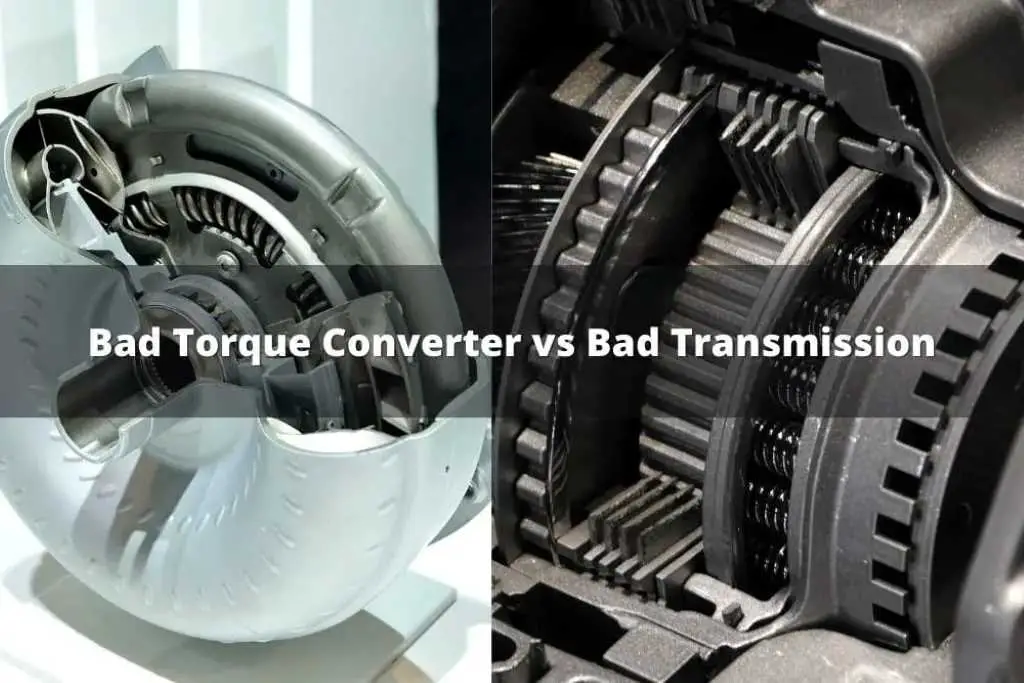
How to tell the difference between a bad torque converter and a bad transmission?
It can be challenging to distinguish between these two issues based solely on symptoms. However, a common clue is that torque converter problems often manifest at low speeds or during initial acceleration, while transmission issues can occur at various speeds and gears.
Maintenance Tips
The mantra for a healthy car life is regular check-ups. Just as you’d visit a doctor for a health assessment, your car also needs its routine diagnosis. Periodically check transmission fluid levels and always be on the lookout for early signs of wear.
Repair or Replace?
Not all ailments require drastic measures. Sometimes, a tweak here and there can bring your car back to its prime. However, if the damage is irreparable, it might be time for a replacement.
FAQ
- Is it more expensive to replace a torque converter or a transmission?
Typically, replacing a transmission is more expensive than replacing a torque converter. However, individual cases may vary depending on the damage and the vehicle model.
- Can a bad torque converter damage the transmission?
Absolutely. A compromised torque converter can gradually deteriorate the transmission if neglected.
- Can routine check-ups prevent these issues?
While regular maintenance can significantly reduce risks, it’s not a magic shield. However, it certainly enhances the car’s longevity and performance.
- Can a bad torque converter or bad transmission be repaired, or must they be replaced?
In some cases, minor issues with a torque converter or transmission can be repaired. However, severe damage often requires replacement, which can be a costly repair.
- What types of sounds are associated with a faulty torque converter?
A faulty torque converter can produce a range of noises, such as whining, humming, or buzzing. These noises may become more pronounced when the vehicle is in gear and particularly noticeable during acceleration or deceleration.
Additionally, a faulty torque converter can lead to vibrations or jerky movements while driving.
Watch this video by Auto V Fix for more information on the most common signs of a bad torque converter!
Conclusion
While a bad torque converter or bad transmission can cause similar symptoms, it’s crucial to understand the distinct signs associated with each issue for accurate diagnosis and effective repair.
If you experience any of these symptoms in your vehicle, it’s advisable to seek the expertise of a qualified mechanic to correctly identify the problem and ensure a safe and prompt resolution.
Ignoring transmission-related issues can lead to more severe and costly damage, so prompt attention is essential for your vehicle’s longevity and reliability.