
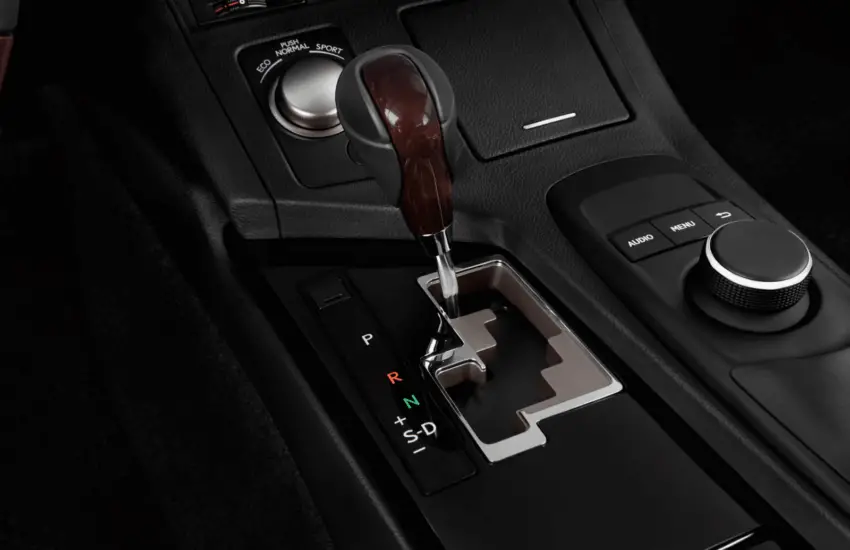
A transmission is a complex mechanical component that operates through numerous intricate mechanisms. Maintaining and servicing these machines is delicate because an issue with one small component can damage the gearbox. One such problem is when the automatic transmission does not shift into third gear.
Signs that the automatic transmission is not shifting into 3rd gear
The problem can manifest in several ways that may be easy to recognize and track.
First, you might notice that the transmission shifts into first then second gear but does not shift into third. It feels like the gear slips into neutral when you push it into third.
Another example could be that the automatic transmission does not shift into third gear at all. It smoothly shifts between first and second and vice versa, but it simply stays in second when you try to push it up to third.
In this case, the catalytic converter can touch the side of the valve body area, overheating the transmission and creating metal shavings in the pan.
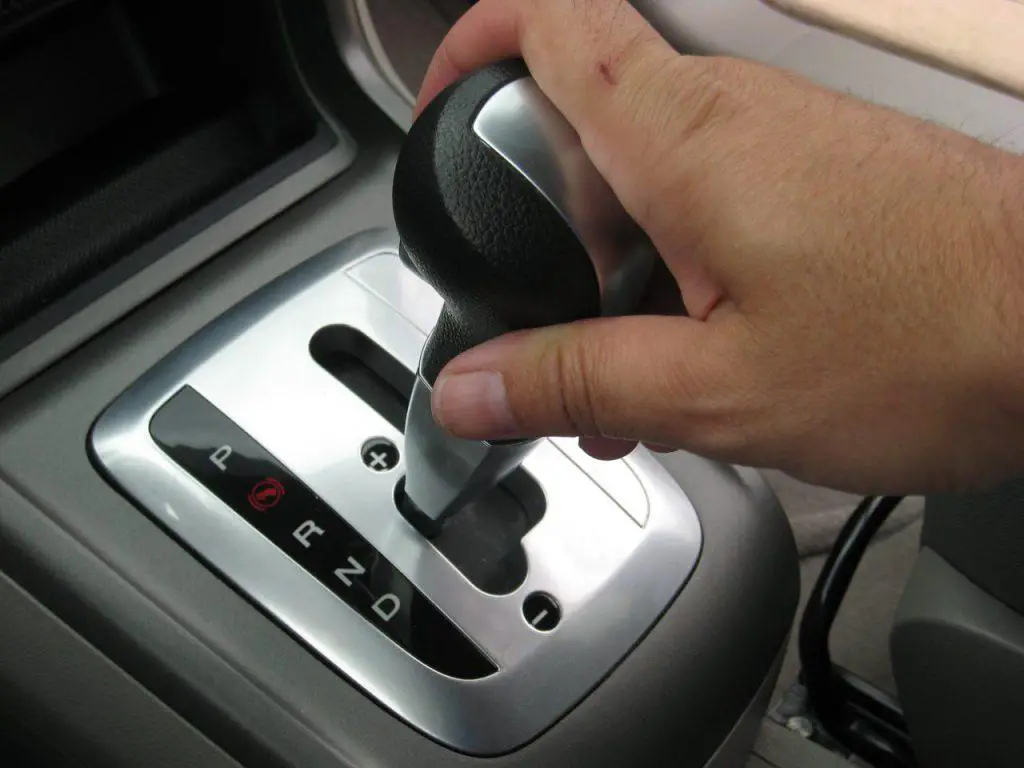
Automatic transmission not shifting into 3rd gear: What are the reasons?
A functional automatic transmission can upshift, downshift, and stop based on appropriate commands. But if it doesn’t, there must be an internal issue affecting performance. If you ignore the signs for too long, it can lead to potential transmission failure.
Let’s see what the reasons could be for the car not shifting gears from second to third.
Low fluid level
An overheating engine can be the cause of the gear locking up, and a low transmission fluid level can be the reason for the transmission overheating.
In fact, a low fluid level is the cause of a number of transmission-related problems. Therefore, the first step in solving a gear locking issue should be to check the transmission oil.
Check for leaks at the input and output shaft seals, fluid lines, pan gasket, and cooler if the level is low. If there is no leak, flush the used oil and refill the container.
Also, don’t forget to check the radiator coolant. The cooler inside the radiator can sometimes leak and contaminate the radiator coolant.
Dirty transmission fluid
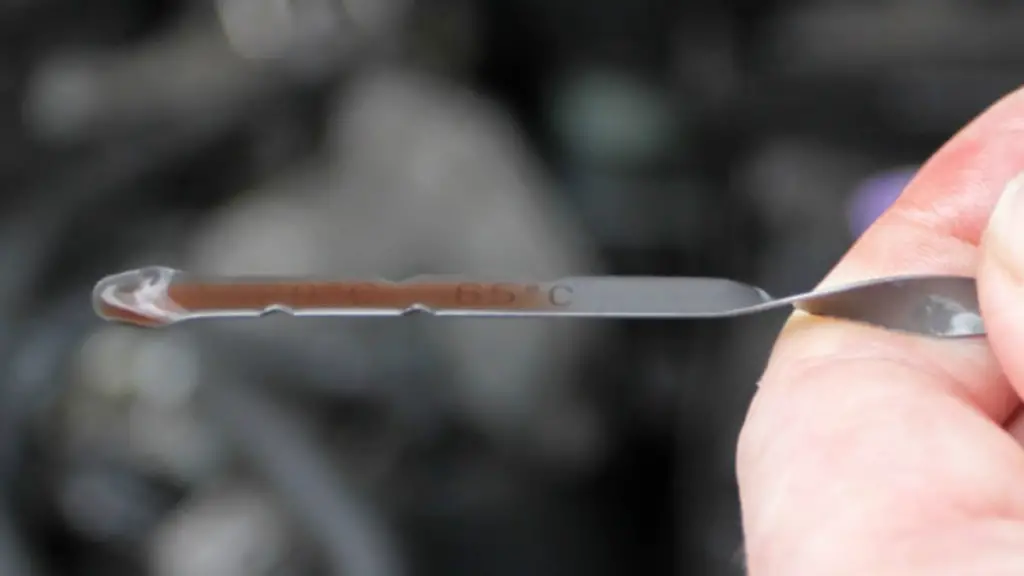
Transmission oil is needed to lubricate the gears and internal moving parts. It functions like engine oil, except it is specifically designed for transmissions. As transmission fluid ages, dirt and debris begin to accumulate in it.
Degraded transmission fluid makes normal gear shifts much more difficult. It can also permanently damage the transmission if not drained and replaced promptly.
Consult your vehicle’s owner’s manual for how often to change the transmission oil. By following these instructions, you can ensure the transmission remains in optimal condition.
Shift solenoid problem
Inside the transmission, there are several shift solenoid coils responsible for automatically shifting gears when the TCM decides to do so. If one of them fails, it can lead to shifting problems with any gear, including 3rd gear. So, this is most likely a faulty shift solenoid.
Shift solenoid tubes are most commonly obtained by removing the valve body, which is done by removing the transmission oil pan from the car, but in some cases, you have to completely remove the transmission and take out the box.
Failing torque converter
The torque converter is responsible for engaging and disengaging the transmission from the engine. It consists of important components, such as the stator and turbine.
Any part of the torque converter can fail, which can lead to transmission slipping. It can also cause problems when shifting to a specific number.
Faulty PCM or TCM
If the PCM or TCM fails, transmission performance is degraded. These parts are responsible for the gearbox’s performance. In this way, it acts as the brain of the system.
When the PCM starts to fail, you may also notice other symptoms. You often see the Check Engine light and experience irregular gear shifts. The vehicle may even go into limp mode until the issue is resolved.
What to do when the automatic transmission does not shift into 3rd gear?
Here are some solutions for your reference on how to fix a car that is not shifting gears, particularly the third one.
Check the throttle cables
Changing the fluid solves many transmission problems, but if the issue of the automatic transmission not shifting into 3rd gear persists, the parts you need to check are the throttle cables.
A faulty cable with excessive play is likely to create problems with smooth shifting. It can also completely block the 3rd gear shift.
Inspect the PCM
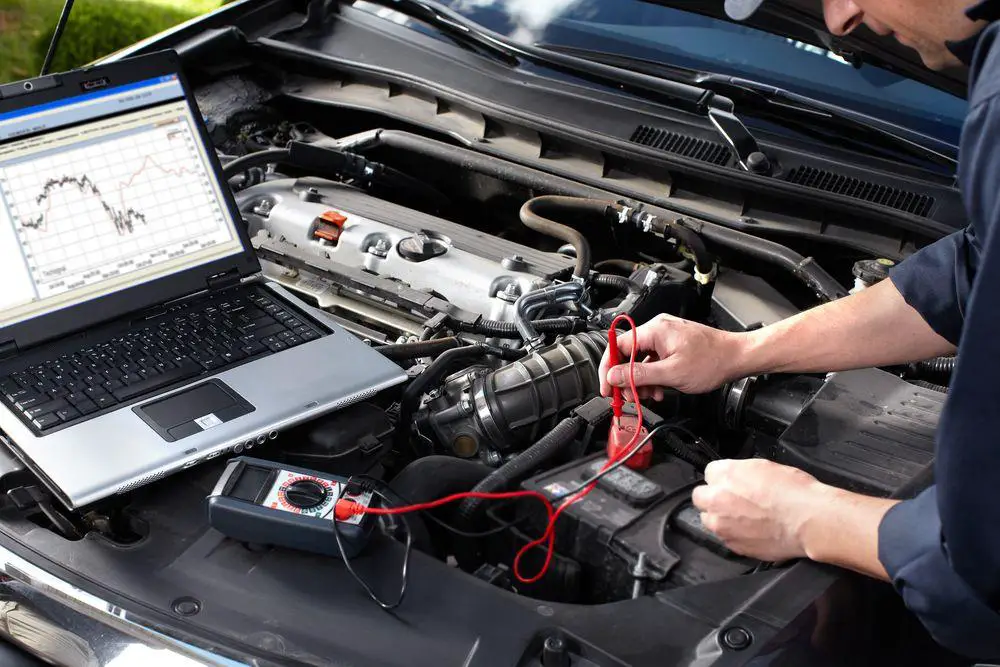
A faulty PCM (Powertrain Control Module) will affect transmission performance, as it controls the gearbox mechanism in most car models. The PCM will have no influence if the speed sensor fails and causes a problem with the automatic transmission not shifting into 3rd gear.
In this case, the transmission will not shift gears properly. To fix this, you need to check the speedometer to see if it’s working. If not, replacing the VSS could be the solution.
Read the error code
If there is an error in the vehicle’s onboard computer, an error code is set. You can read these codes and learn more about the issues with the OBDII scanner.
Each vehicle uses different codes, even though some are common. For example, you might see code P0606 or P0113 if there is a problem with the PCM. Regardless of the code you see, you can research online and look up the problem for a quick solution.
Call an expert
Even if you are an experienced mechanic, you will still have to deal with some problems that are too unfamiliar to you. When you see a code or a problem and don’t know how to solve it with your basic knowledge, it is always ideal to call a professional.
In many cases, a repair done with the wrong approach can lead to more serious problems, sometimes impossible to fix. So be vigilant and remember to call an expert to perform the difficult task for you.
FAQ on automatic transmission not shifting into 3rd gear
1. Why is my automatic car not shifting gears?
Fluid is one of the reasons why an automatic transmission does not shift gears. It will affect the gears if it is not at the proper level or if the type of fluid used is inappropriate. Another important factor is the possibility of an ECM failure.
Here are the 2 main reasons why the automatic car is not shifting gears
2. Can an automatic transmission not shift into 2nd gear?
Yes, an automatic transmission can be stuck in 2nd gear. This problem can be a sign of low transmission fluid and a broken transmission control solenoid.
3. How do you reset the transmission control module?
Turn off your vehicle’s engine and wait 5 to 10 seconds. Start the engine and let it idle for a few seconds. Turn off the ignition and wait another 30 to 40 seconds. To reset your vehicle’s transmission control module, repeat these steps 2 to 3 times.
4. What are the signs of a bad shift solenoid?
The general role of a solenoid is to control the flow of transmission. Here are the symptoms of a faulty shift solenoid you need to watch out for.
- Gear shift delay during acceleration and deceleration.
- Your transmission is locked in neutral position.
- Gear shifting is difficult.
- Even when you press the brakes, the engine continues to run noisily.
- Your transmission fails to downshift and your engine is quite noisy.
5. Is a solenoid an easy fix?
A failing solenoid can paralyze your machine or manufacturing process, but fortunately, it is a part that can usually be repaired or replaced once you have identified the source of the problem.
6. How much do you pay for transmission shift solenoid replacement?
Replacing a single transmission solenoid can cost between $200 and $450. However, if the problem is so severe that you need to replace the entire set, the cost can reach between $300 and $800.
Conclusion
We have just reviewed all the basic aspects to understand why the automatic transmission does not shift into 3rd gear. I hope you find this article informative and understand exactly what to do when facing this problem.