
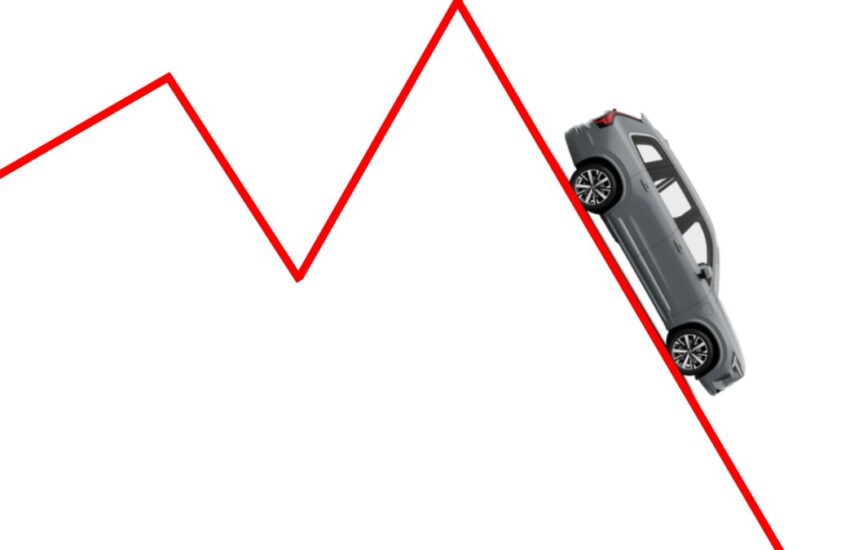
A Quiet Conclusion to the Automotive Year
The final quarter of 2025 is shaping up to be a challenging period for the global automotive industry. As the year draws to a close, dealerships and manufacturers are confronting a complex mix of economic headwinds that threaten to dampen traditional year-end sales momentum. Early indicators suggest the quarter may end not with a bang, but with a cautious whisper from consumers.
Mounting Pressure on Consumer Spending
The primary challenge stems from sustained pressure on household budgets. Persistent inflation, though moderating in some sectors, continues to impact disposable income, while higher interest rates have made financing a new vehicle significantly more expensive. This economic uncertainty is causing many potential buyers to postpone large purchases, opting to maintain their current vehicles longer. The cumulative effect is a market characterized by hesitation rather than robust demand.
A Diverging Performance Landscape
Not all automakers are facing the same degree of difficulty. A select few brands reporting monthly figures have managed to post relatively positive news, often tied to strong demand for specific hybrid or updated mainstream models. However, these bright spots appear to be the exception rather than the rule. The broader market is experiencing a pullback, with inventory levels beginning to rise on many lots as sales velocity slows.
Strategic Shifts in a Cooling Market
In response, manufacturers and dealers are recalibrating their strategies. Aggressive incentive packages, which had become rare in recent years, are slowly reappearing as a tool to stimulate demand. Marketing efforts are increasingly focused on value propositions and long-term ownership cost, rather than pure performance or luxury. The industry is navigating a delicate balance between protecting profitability and moving metal before the year-end.
The Road Ahead into 2026
The outcome of this difficult fourth quarter will set the tone for the automotive sector’s entry into 2026. Industry analysts are closely watching inventory adjustments and consumer sentiment signals. A softer-than-expected finish will likely lead to more conservative production plans and a continued emphasis on operational efficiency in the new year. The period serves as a stark reminder of the market’s cyclical nature and its sensitivity to broader economic conditions.