
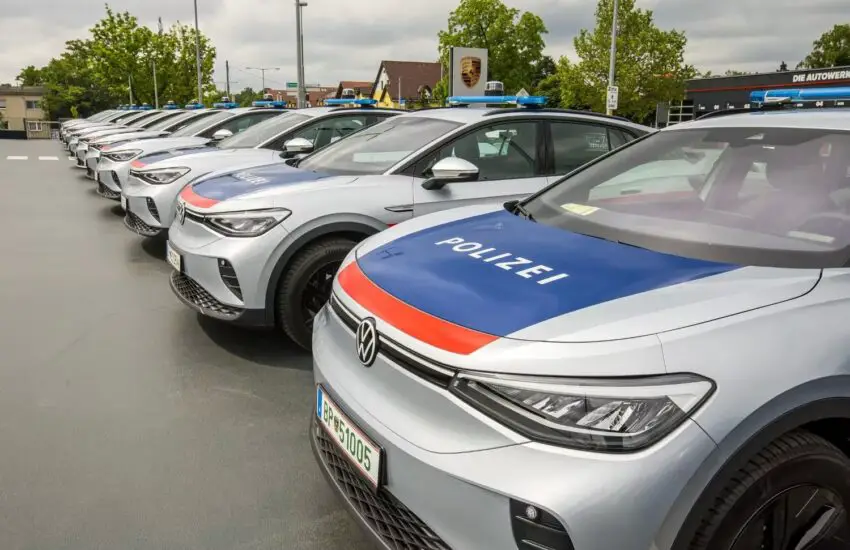
Electric Vehicles Fail to Meet Police Patrol Demands in Austria
In a significant setback for the adoption of electric vehicles in critical services, the Austrian police have decided to remove battery-electric cars from frontline patrol duties. This decision follows an extensive real-world trial period where the vehicles’ performance was evaluated against the rigorous demands of police work. The findings highlight a persistent gap between current EV technology and the specific operational needs of emergency services.
Limited Range and Logistics Hinder Operational Use
The primary reason cited for the reversal is insufficient driving range. Police patrols, especially in rural or expansive areas, require vehicles capable of covering long distances unpredictably and without frequent, lengthy stops for recharging. The tested electric models could not reliably meet this requirement without compromising response times or operational readiness. The police concluded that the current generation of EVs introduces an unacceptable logistical risk for active patrol and emergency response units.
Reassignment to Administrative Roles
While deemed unsuitable for frontline duty, the electric vehicles have not been entirely removed from the police fleet. They have been reassigned to administrative and support functions where daily mileage is predictable and lower. In these roles, such as transport between fixed locations or for non-urgent departmental tasks, their environmental benefits can still be utilized without impacting core police operations. This pragmatic approach allows the organization to continue gaining experience with EV technology while prioritizing public safety.
A Broader Challenge for Emergency Services
Austria’s experience reflects a broader challenge facing police, fire, and ambulance services worldwide. The transition to zero-emission fleets is a key goal for many governments, but the unique requirements of emergency services—including high-speed capability, extensive idling, power for equipment, and immediate availability—present formidable hurdles. This case study suggests that for specialized sectors, the evolution of EV technology may need to focus on enhanced energy density, faster charging, and vehicle-to-load capabilities before becoming a viable universal replacement for internal combustion engines in all roles.