
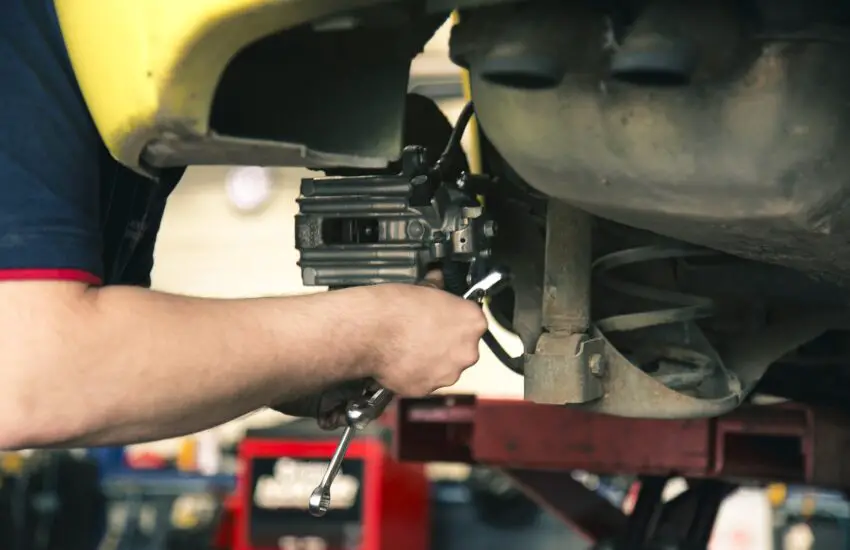
In Canada, driving a vehicle is not as simple as it seems. To drive legally, insurance is mandatory. And to obtain this insurance, you must have a vehicle safety inspection done in Brampton. Many accidents are caused by poorly maintained vehicles. Moreover, the inspection ensures that your car or truck is safe for you and other road users. Although each province has its own guidelines, there are common similarities across Canada. Let’s discover the ultimate benefits of a vehicle inspection that can save you a lot of money!
Detecting Problems
The best way to know if your vehicle has a problem is to perform an annual inspection. Many people think their car runs perfectly and shows no signs of damage. However, some issues are undetectable through simple driving. A thorough inspection helps identify them, such as wheel realignment or changing tires for the upcoming season. This early detection prevents the problem from worsening.
Complete Peace of Mind
Having your car inspected is a proactive step that significantly reduces the risk of accidents. Additionally, it gives you complete peace of mind: you drive without fearing a sudden breakdown.
Saving Money
The bigger a problem is, the more expensive its repair. An annual inspection performed by certified mechanics allows for the detection and correction of minor issues at an early stage, thus saving you money in the long run. For example, you might have forgotten to change lubricants or oil after a certain mileage. Without an annual inspection, you risk an unexpected and costly breakdown.
What is the Checklist for a Vehicle Inspection?
The content of a safety inspection can vary from one workshop to another. A complete checklist to establish an accurate health assessment of your vehicle:
- Inspection of the fuel tank and oil pan
- Tire check (adaptation to weather)
- Brake pedal test
- Brake check (cracks, wear)
- Coolant control and engine condition
- Hydraulic system inspection
- Thorough brake check
- Inspection of CV boots (CV joints)
- Condition of wipers, struts, and shock absorbers
- Check of heater hoses and radiator
- Check of all lights (headlights, taillights, brake lights)
- Inspection of brake pedals and coolant leaks