
A Major Milestone in Sustainable Logistics
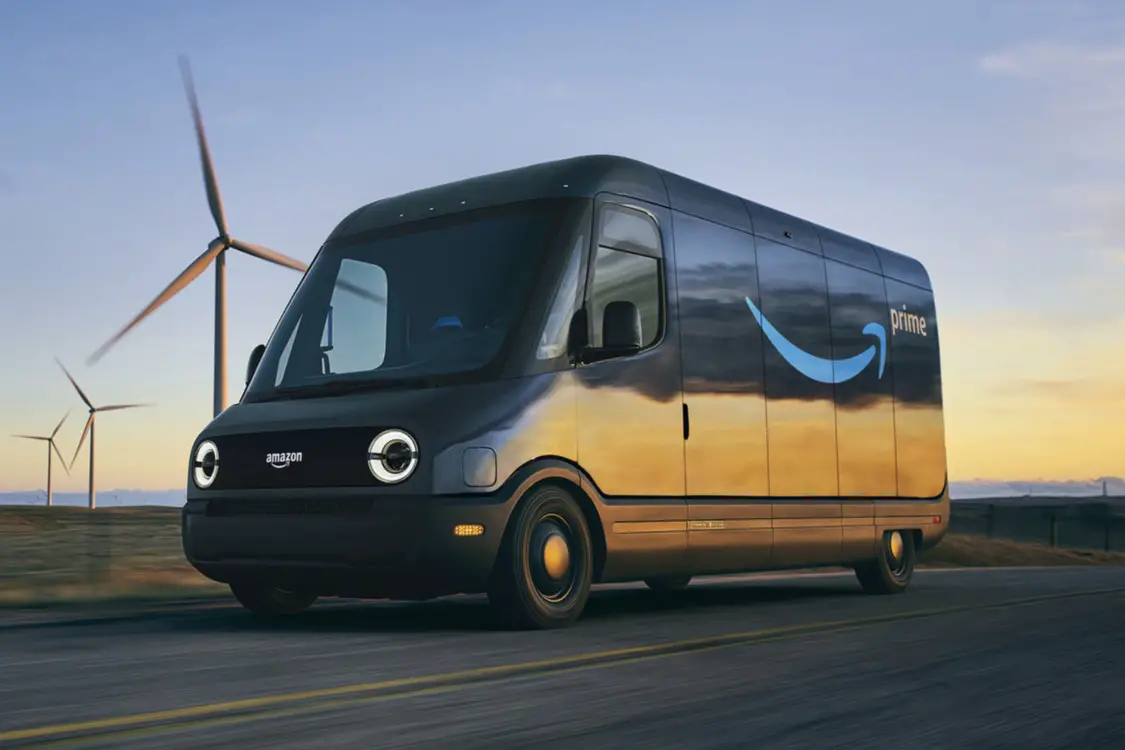
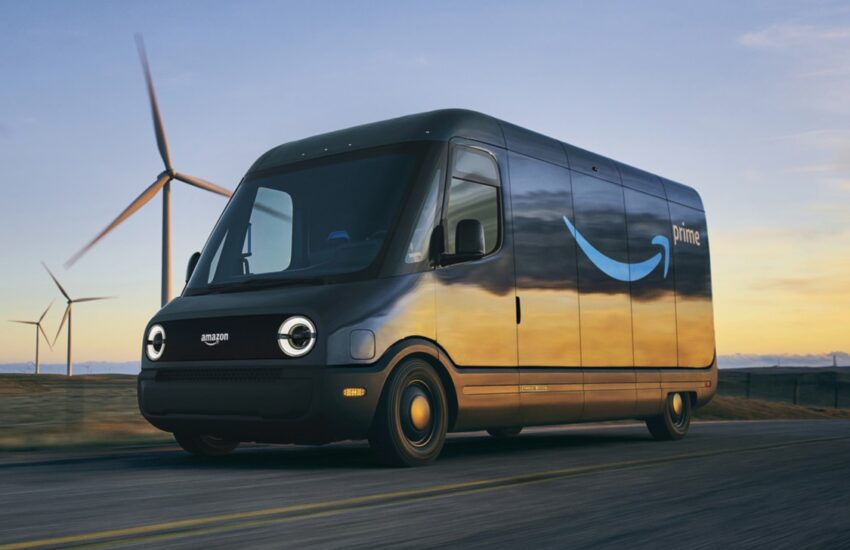
Amazon has reached a significant new benchmark in its mission to decarbonize its vast delivery network. The e-commerce leader now operates a fleet of more than 30,000 custom electric delivery vehicles (EDVs) across North America and Europe. This achievement is the direct result of a strategic partnership with electric vehicle manufacturer Rivian, marking one of the largest electrification commitments in the logistics sector.
Accelerating The Climate Pledge
This massive deployment of zero-emission vans is a cornerstone of Amazon’s broader “Climate Pledge,” which aims to reach net-zero carbon emissions by 2040. Replacing tens of thousands of traditional diesel-powered vans with electric models directly eliminates tailpipe emissions on delivery routes. The initiative contributes substantially to reducing the company’s operational carbon footprint, particularly in urban areas where air quality is a major concern. The scale of this rollout demonstrates how corporate partnerships can drive tangible progress in sustainable transportation.
Innovation on the Road
The Rivian-built EDVs are not simply electric versions of conventional vans. They were co-designed with input from Amazon drivers and feature innovative technology aimed at enhancing safety, efficiency, and the driver experience. Key features include advanced driver-assistance systems, a large windshield for improved visibility, and integrated routing technology powered by Amazon’s logistics algorithms. The vehicles are also equipped with a durable, lightweight exterior designed to maximize cargo space for packages while improving energy efficiency on the road.
The Road Ahead for Fleet Electrification
Surpassing 30,000 electric vehicles in active service represents a critical proof point for the viability of large-scale commercial electrification. Amazon’s continued investment in this fleet provides Rivian with stable demand, supporting further EV manufacturing innovation. The success of this partnership is being closely watched by the entire logistics and retail industry, setting a new standard for last-mile delivery. As charging infrastructure expands and battery technology advances, this fleet is expected to grow, further cementing the role of electric vehicles in the future of global commerce.