
A Promising Debut Meets Harsh Reality
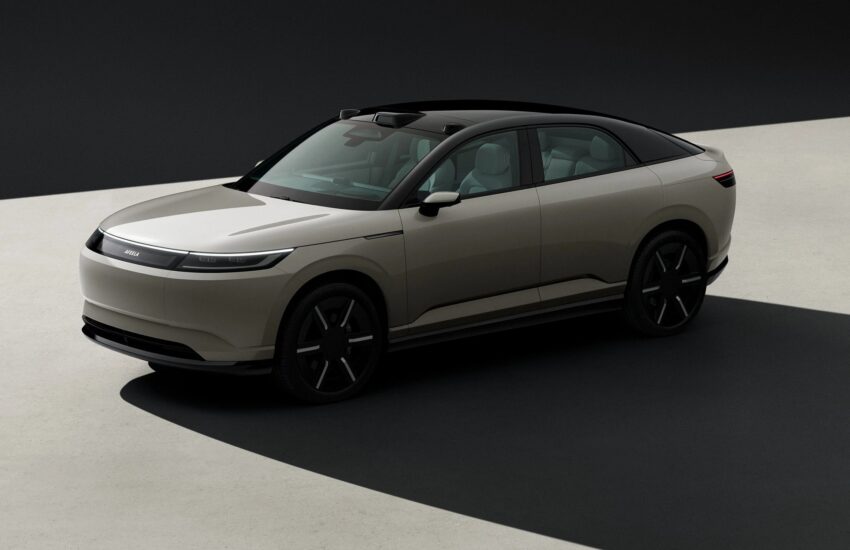
The Consumer Electronics Show in Las Vegas once again served as the stage for Afeela, the joint venture between Sony and Honda, to showcase its electric mobility ambitions. Following the prototype sedan revealed two years prior, the 2026 event featured a new electric SUV concept. Initial curiosity, however, quickly dissipated, replaced by a palpable sense of disappointment among industry observers and enthusiasts. The vehicle, still years from a planned 2028 market launch, failed to generate the excitement many had anticipated from this tech-auto powerhouse alliance.
Gap Between Vision and Execution Widens
The core criticism centered on the vehicle’s apparent lack of tangible progress. While the concept boasted an array of impressive sensors and promised a cabin transformed into an immersive entertainment hub—leverageing Sony’s expertise in gaming and audio—the overall design and proposed functionality felt derivative. Analysts noted that the showcased features, from expansive dashboard screens to advanced driver-assistance systems, are already in development or production by established automakers and pure-play EV rivals. The prototype did little to convincingly answer the critical question: what unique value does the Sony-Honda partnership truly bring to a crowded market?
A Strategic Miscalculation in a Fast-Paced Market
The announcement of a delayed production timeline, now targeting 2028, compounded the negative reception. The EV landscape evolves at a breakneck pace, and a concept that feels unremarkable today risks being obsolete upon its eventual release. The Afeela SUV’s underwhelming reveal suggests potential struggles in translating a compelling tech vision into a competitive automotive product. This misstep at CES 2026 places significant pressure on the partnership to deliver substantial, innovative leaps in the intervening years, or risk the brand being perceived as an irrelevant follower rather than the disruptive leader it aspires to be.