
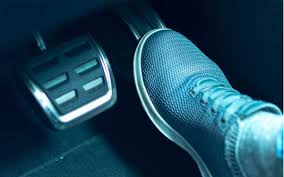
A sluggish acceleration, worrying jerks, or a sudden lack of power? These symptoms aren’t just frustrating – they can be dangerous. Discover the most common culprits that deprive your car of its liveliness.
Why Does Your Car Respond Poorly to the Accelerator?
Press the pedal and… nothing? A delayed or jerky response? Behind these symptoms often lie problems in these 4 vital systems:
- ⛽ Fuel supply
- 💨 Air intake
- ⚡ Ignition system
- 📡 Electronic sensors
1. Fuel Supply Problems: The Engine’s Hunger
An underfed engine = weak acceleration. Watch out for these components:
🔧 Failing Fuel Pump
Typical symptom: Progressive loss of power, abnormal humming from the tank.
Did you know? A tired pump struggles to maintain the necessary pressure.
🧪 Clogged Fuel Filter
Typical symptom: Stalling during acceleration, hiccups under load.
Simple solution: Replace every 20,000 to 30,000 km (check your service manual).
💉 Clogged Injectors
Typical symptom: Jerking, black smoke (too much fuel), or increased consumption.
Tip: A cleaning additive can prevent clogging.
2. Air Intake Problems: The Choked Engine
Without air, no efficient combustion! Two main enemies:
🌫️ Saturated Air Filter
The most common AND the cheapest to fix!
Quick test: take out the filter. If it’s black and dusty, change it without delay.
📶 Faulty Mass Air Flow Sensor (MAF)
Typical symptom: Engine light on + erratic acceleration.
Warning: Clean it with a special product (never direct contact!).
3. Failing Ignition: The Missing Spark
When combustion fails, power flies away:
🔥 Worn or Fouled Spark Plugs
Typical symptom: Hard starting, abnormal vibrations.
Lifespan: From 30,000 km (copper plugs) to 100,000 km (iridium).
⚡ Tired Ignition Coils
Typical symptom: Clear misfires, sudden loss of power.
Test: An electronic diagnostic identifies the faulty coil.
4. Failing Sensors: The Lost Computer
Your ECU needs reliable data:
- Throttle Position Sensor (TPS): Misinterprets your accelerator pedal input
- Crankshaft Sensor: Desynchronizes injection/ignition
- Lambda Sensor (O2 Sensor): Falsifies the air/fuel mixture
✅ Good to know: These faults usually trigger the engine light (🟠).
5. Choking: The Clogged Exhaust System
Dreaded culprit: Clogged catalytic converter
Alarming symptoms:
- EXTREME power loss at high RPM
- Overheating under the floor
- Rotten egg smell
⚠️ Absolute emergency: Fire risk! Consult a professional.
6. Insidious Mechanical Causes
- Slipping Clutch (manual transmission): The engine revs up but speed doesn’t increase
- Brakes Binding: A seized caliper creates constant resistance (touch the rims after a drive: if burning hot, that’s the problem!)
🔍 What to Do in Practice? The 3-Step Method
- Check the basics: Air filter, fuel level, dashboard warning lights
- Read the error codes: With an OBD2 scanner (less than €30 at auto centers)
- Consult a professional: For complex diagnostics (fuel pump, sensors, catalytic converter)
⚠️ Don’t Take Risks!
A failing acceleration isn’t just an inconvenience – it’s a potential danger during overtaking or merging onto the motorway. An untreated problem can also damage other components (like the catalytic converter, which is very expensive).
Final word: Start with simple maintenance (filters, spark plugs). If the problem persists, act quickly – your safety and your wallet will thank you!