
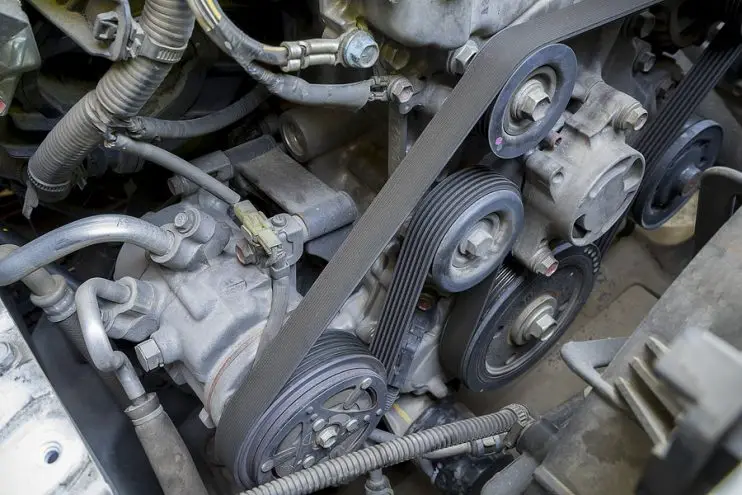
When you hear a high-pitched squeal or screech from the engine compartment during acceleration, it is crucial not to ignore this signal. This noise, often related to a worn or damaged fan belt, can reveal underlying mechanical problems. Understanding the possible causes and knowing how to react will save you from costly repairs.
Why Does the Fan Belt Squeal?
The squeal typically occurs when the serpentine belt loses its grip on the engine pulleys. Several factors explain this phenomenon. Belt slippage is one of the main causes: a belt contaminated by oil, coolant, or simply worn out, can no longer properly grip the pulleys of the alternator, power steering pump, or air conditioning compressor. During acceleration, the load on these accessories increases, which worsens the slippage and generates a characteristic screech.
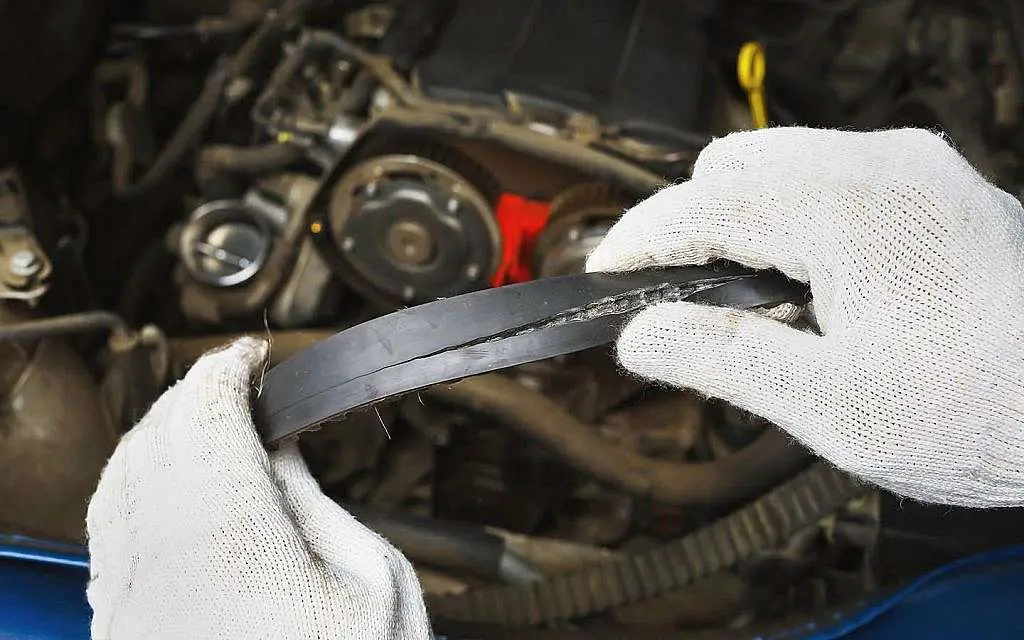
Advanced belt wear can also be the cause. Over time, cracks, fraying, or “glazing” (a smooth and shiny surface) reduce its flexibility and grip. During acceleration, these defects become more pronounced, causing squealing. Misaligned pulleys, due to faulty bearings or incorrect installation, force the belt to deviate from its path, leading to uneven wear and noise.
Finally, incorrect belt tension plays a key role. An overly tight belt prematurely wears out the accessory bearings, while a belt that is too loose slips frequently. Although the automatic tensioners in modern vehicles simplify adjustment, they can seize or break over time.
Diagnosing the Problem: Key Steps
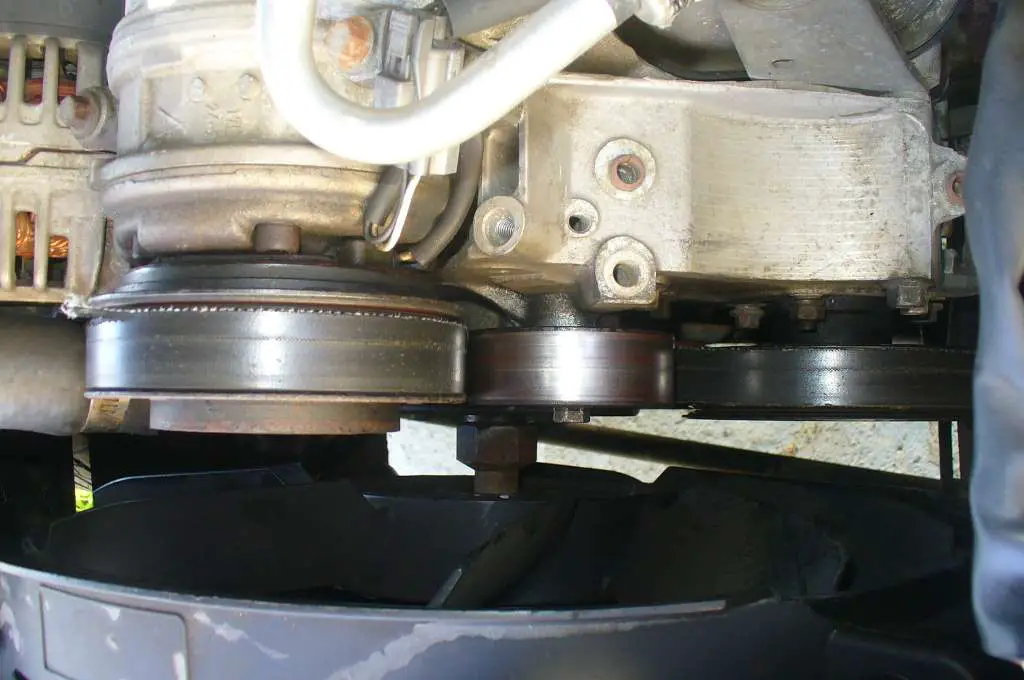
To identify the source of the squeal, start with a visual inspection. Examine the serpentine belt: cracks, frayed areas, or a shiny surface indicate wear. Then check the pulleys – debris, fluid traces, or damaged bearings (excessive play, wobbling) can disrupt its operation.
Check the belt tension using the tensioner. If it is adjustable, refer to the manufacturer’s manual to adjust the tension. A correctly tensioned belt should have slight play (about 1 cm) when pressed firmly. If the tensioner is faulty (stuck, corroded), replace it.
Use a straightedge or a laser alignment tool to check the parallelism of the pulleys. Misalignment, even minor, forces the belt to rub against the pulley edges, generating noise and premature wear. Clean the pulleys with a degreaser to remove oil or dirt residue.
Solutions and Prevention
If the belt is worn or damaged, replace it without delay. A new belt, combined with clean and well-aligned pulleys, will usually solve the problem. For deformed pulleys or seized bearings, replacement is necessary.
Regular maintenance is key to preventing squealing. Inspect the belt every 20,000 km or during oil changes. In cold weather, be vigilant: hardened rubber may slip temporarily, but if the noise persists after a few minutes, an adjustment is needed.
Frequently Asked Questions
“What does a faulty belt sound like?”
It produces a high-pitched squeal, especially at startup or under load. The noise may evolve into a screech or slapping sound if the wear worsens.
“When should it be replaced?”
At the first signs of wear (cracks, noises), or every 100,000 km. Do not delay replacement: a broken belt can damage the engine.
“Does weather affect the noise?”
Yes. Cold stiffens the belt, increasing initial slippage. Excessive heat makes it more flexible, which can also cause squealing.
Conclusion
A belt squeal during acceleration should never be ignored. By quickly identifying the cause – wear, incorrect tension, or faulty pulleys – you will avoid costly breakdowns. Preventive maintenance, including pulley cleaning and regular inspections, will extend the belt’s lifespan and ensure your vehicle’s proper operation.