
Hearing a faint rumbling during acceleration can be unsettling for many drivers. This phenomenon can indicate a range of potential issues with your vehicle, from minor repairs to more serious problems requiring immediate attention.
Understanding the causes and knowing what steps to take can help ensure your vehicle remains in good working order. Below, we explore common reasons behind this issue and answer some frequently asked questions.
Causes of Faint Rumbling Noise During Acceleration
A more detailed look into the causes of a faint rumbling noise during acceleration can help understand what might be malfunctioning with your vehicle. Each cause has specific characteristics, implications, and solutions.
Exhaust System Issues
The exhaust system plays a crucial role in directing combustion gases away from the vehicle’s cabin and reducing engine noise. Problems can occur in different parts of this system.
Leaks can happen in the exhaust manifold, which collects exhaust gases from the engine cylinders, if the manifold cracks or its gaskets deteriorate. This results in a noticeable rumbling as gases escape.
Exhaust pipes can be damaged by impacts or corrode over time, creating openings through which exhaust gases leak, producing a rumbling noise.
Similarly, issues with the muffler, which reduces noise from the exhaust process, can result from damage or corrosion, compromising its efficiency and leading to a louder rumble.
Faulty Engine Mounts
Engine mounts stabilize the engine and absorb vibrations. When these mounts fail, degradation of the rubber or synthetic materials can lead to cracks or breaks.
This allows the engine to shift more than normal, especially during acceleration, causing vibrations and noise. This excessive movement can also strain other components, such as the transmission and drivetrain, potentially leading to further issues.

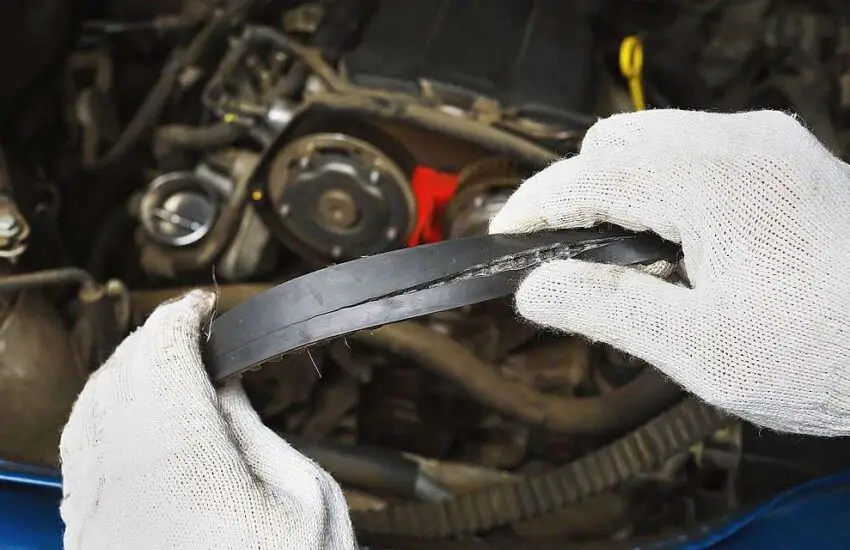
Worn or Damaged Drive Belts
Drive belts, including serpentine belts, are essential for powering engine accessories such as the alternator, air conditioning compressor, and power steering pump. As belts wear out, they can crack, become glazed, or start to fray.
A worn belt can slip on the pulleys, causing vibrations and a rumbling or whirring noise. Regular inspections help identify this wear early, allowing for timely replacement to avoid further complications.
Transmission Problems
The transmission is essential for transferring engine power to the wheels. Transmission issues can be complex and varied.
Low fluid levels, for example, reduce lubrication and cooling of the transmission, leading to increased friction, heat, and wear, which can cause a rumbling noise.
Difficulty shifting gears, along with rumbling noises, can indicate deeper transmission problems that may range from a simple fluid change to more extensive repairs.
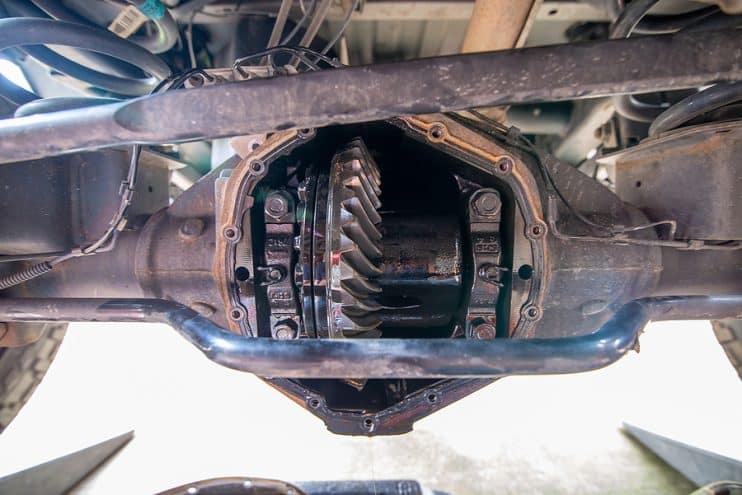
Differential Issues
The differential allows the wheels to rotate at different speeds, which is essential for turning. Low differential fluid levels lead to poor lubrication, resulting in increased friction and wear, which can manifest as a rumbling noise, particularly noticeable during acceleration or turns.
Over time, the differential’s gears and bearings can also wear out, leading to noise and operational issues.
Tire Problems
Sometimes, what sounds like a rumble from the engine or exhaust might actually come from the tires. Uneven tire wear, low tire pressure, or unbalanced tires can create rumbling, especially at high speeds.
Regularly inspecting your tires for signs of wear and maintaining proper inflation can help mitigate this issue.
Wheel Bearing Wear
Wheel bearings allow the wheels to spin smoothly. If a wheel bearing is worn or damaged, it can produce a grinding or rumbling noise when the vehicle accelerates.
This noise generally increases with the vehicle’s speed and can sometimes be more pronounced during turns. Wheel bearings should be replaced by a professional.
Suspension Problems
The suspension system, including shocks and struts, helps absorb road irregularities and maintain vehicle stability.
Worn or damaged suspension components can lead to a rumbling noise due to increased movement of suspension parts or the vehicle’s body itself.
Inspecting the suspension system for worn parts and ensuring prompt replacement can prevent this issue.
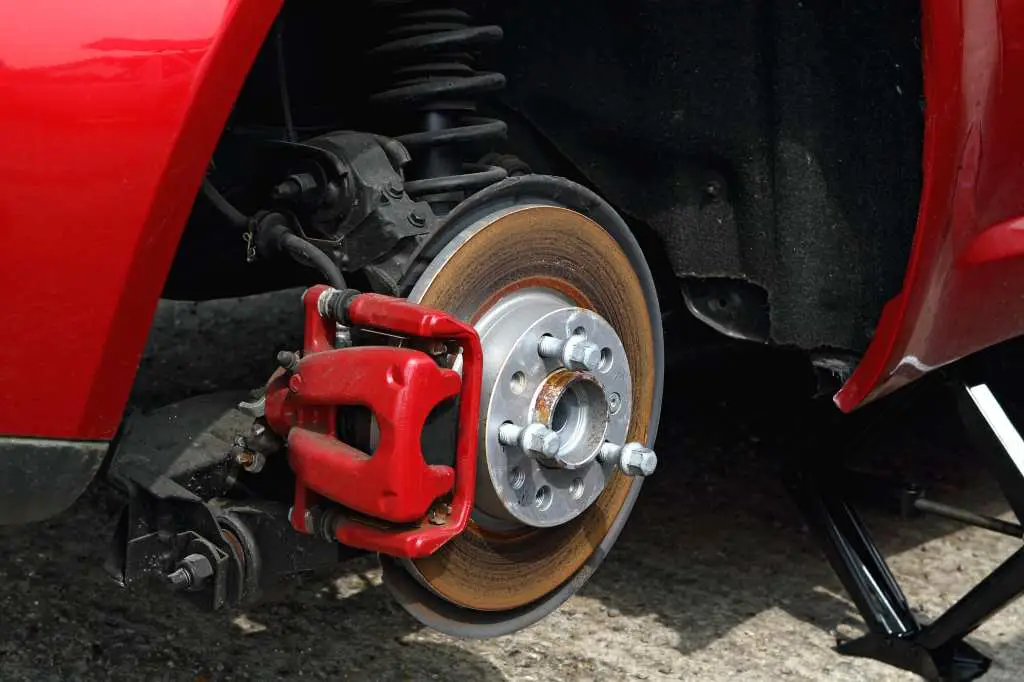
Brake System Wear
Issues with the brake system, such as worn brake pads, damaged rotors, or problems with the brake caliper, can sometimes cause a rumbling, especially if the noise occurs or worsens during braking.
Regular brake inspections and maintenance are essential to ensure the system operates correctly and safely.
Each of these causes underscores the importance of comprehensive vehicle maintenance and the need to pay attention to various systems beyond the engine and transmission.
FAQ
1. Can tire problems cause a faint rumbling when I accelerate?
Yes, tires can contribute to a faint rumbling noise, especially if they are unevenly worn or underinflated. Misaligned wheels or unbalanced tires can also create vibrations and noises during acceleration.
2. Could the type of fuel I use influence the rumbling noise during acceleration?
Although less common, using fuel with a lower octane rating than recommended by the vehicle manufacturer can sometimes cause engine knocking, which might be perceived as a rumbling during acceleration, especially under load.
Always use the fuel grade specified in your vehicle’s owner’s manual.
3. Is it possible that a faint rumbling noise is simply a characteristic of my vehicle?
Some vehicles, especially those with larger or high-performance engines, may naturally produce a deeper rumble during acceleration due to their design and exhaust system configuration.
However, any change in the sound’s character or intensity should be investigated to rule out underlying issues.
4. Can weather conditions affect the occurrence of rumbling noises during acceleration?
Extreme temperatures can affect vehicle components and cause noises. Cold weather, for example, can harden materials and fluids, causing the engine and transmission to operate noisily until they reach optimal operating temperatures.
Similarly, heat can expand components, potentially altering clearances and leading to unusual sounds.
5. If my vehicle is electric or hybrid, should I still be concerned about a rumbling noise during acceleration?
Although electric and hybrid vehicles generally operate more quietly than their gasoline counterparts, they are not immune to mechanical issues.
A rumbling noise in these vehicles could stem from the electric motor, transmission, or even interactions between the tires and the road. Any unusual noise should be investigated.
6. Could the rumbling noise be related to aftermarket modifications?
Aftermarket modifications, such as changes to the exhaust system, engine tuning, or the addition of certain performance parts, can alter the vehicle’s acoustics and dynamics.
These modifications can introduce new sounds or amplify existing ones during acceleration. Always ensure modifications are performed by professionals and comply with the vehicle’s specifications.
Conclusion
Identifying the source of a faint rumbling noise during acceleration may require some detective work. Understanding these potential causes provides a solid foundation for diagnosing and addressing the car issue, ensuring your vehicle’s proper operation!