
The Long Road to Electrification
Transitioning a commercial delivery fleet to electric power is rarely a quick switch. For one major hypermarket, it became a strategic mission spanning an entire decade. This journey began long before electric vehicles entered the mainstream, highlighting the perseverance required for large-scale sustainable logistics.
Early Adoption and Initial Hurdles
The project launched with ambitious goals but immediate practical challenges. A decade ago, the available electric vehicle models, particularly for medium-duty logistics, were limited in range, payload capacity, and variety. The supporting infrastructure was also in its infancy, requiring significant investment in on-site charging solutions. This initial phase involved extensive testing, vehicle adaptation, and close collaboration with manufacturers to prove the concept’s viability for daily store operations.

Overcoming Technological and Operational Barriers
As the years progressed, so did the technology. The hypermarket’s team navigated evolving battery chemistries, improving charge times, and expanding vehicle ranges. Operational planning became crucial, involving route optimization to match vehicle capabilities and scheduling charging cycles around delivery windows. This period was defined by continuous learning, data collection, and process refinement to ensure reliability matched that of the traditional diesel fleet.
A Blueprint for Sustainable Logistics
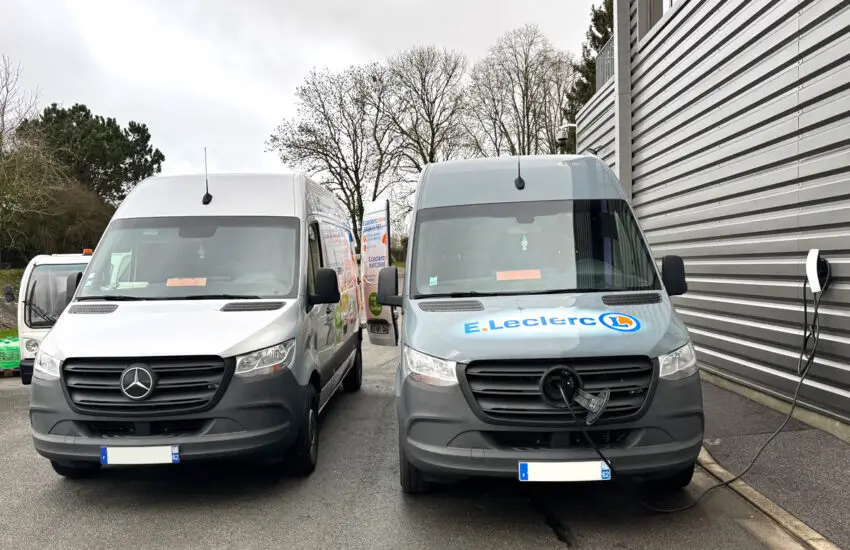
Today, the hypermarket operates a fully integrated electric delivery fleet, a testament to its long-term commitment. The decade of experience has yielded valuable insights into total cost of ownership, maintenance specifics for electric drivetrains, and the real-world benefits of reduced emissions and noise pollution. This successful transition now serves as a practical blueprint for other large retailers, demonstrating that with strategic planning and patience, large-scale fleet electrification is an achievable and impactful goal.