
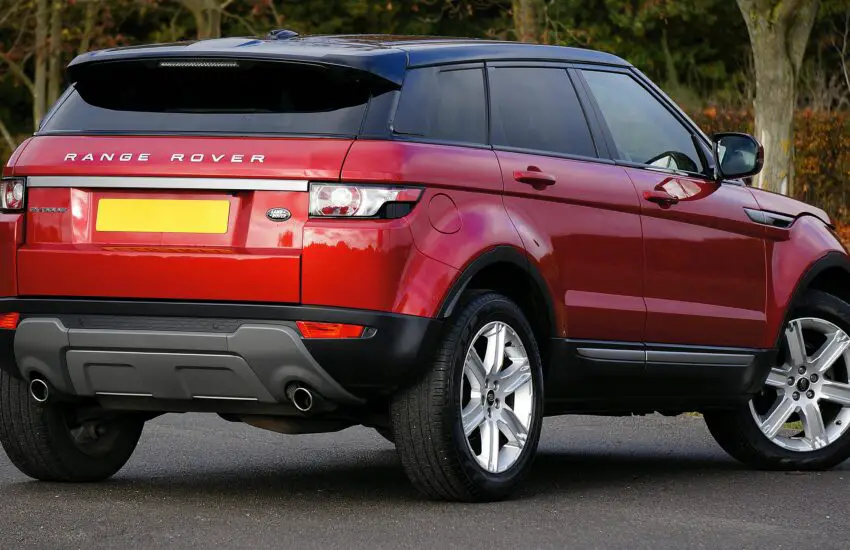
7 Common Range Rover Evoque Engine Problems and Simple Solutions
The Range Rover Evoque combines modern design with the heritage of a prestigious British brand. Launched in 2011, it quickly gained popularity due to its compact dimensions, refined interior, and elegant aesthetics. The model has evolved over the years, and the current generation uses a 2.0-liter turbocharged four-cylinder engine paired with a nine-speed automatic transmission, producing approximately 249 horsepower and 269 lb-ft of torque. Despite these impressive specifications, the vehicle has developed a reputation for poor reliability. Many owners report mechanical and electrical issues, particularly concerning the engine and its associated systems. This article examines seven common engine-related failures and proposes accessible fixes. It also details essential technical information and maintenance tips to keep your Evoque in good working order.
1. Oil Leaks and Excessive Consumption
Many drivers notice that their Range Rover Evoque engine consumes more oil than expected. The 2.0-liter turbocharged engine often experiences leaks and high consumption due to worn seals or faulty piston rings. Oil leaking onto other components can create environmental hazards and cause additional damage if ignored. Signs include oil spots under the vehicle, a burning smell, or the low oil warning light.
Solution: Regularly check the oil level and inspect the underside of the vehicle for leaks. In case of excessive consumption, examine the rocker cover gasket, sump gasket, and oil filter housing. Replacing worn seals or rings is the long-term solution. Maintaining the correct oil level prevents engine wear while awaiting repairs. Always use high-quality parts when replacing seals.
2. Turbocharger Issues
The turbocharger may experience early failures, often caused by inadequate lubrication or carbon deposit buildup. Loss of power, bluish smoke from the exhaust, or unusual noises indicate a faulty turbo.
Solution: Strictly adhere to oil change intervals and use the manufacturer-recommended engine oil. Avoid shutting off the engine abruptly after high-speed driving. For repairs, entrust the diagnosis to a qualified professional.
3. Sensor Failures
Sensors, particularly the turbo pressure sensor and lambda probes, are prone to failure. These malfunctions can trigger the engine management light and affect performance.
Solution: An electronic diagnostic can identify the faulty sensor. Replacement typically uses standard parts available from dealers and authorized repairers.
4. Timing Belt Problems
The timing belt may show signs of premature wear, including cracks or fraying. A break can lead to catastrophic engine damage.
Solution: Rigorously follow the recommended maintenance schedule for replacement. Regular visual inspection by a qualified mechanic is advised.
5. Engine Overheating
Cooling system issues, such as thermostat or water pump failures, can cause overheating. The temperature warning light will then illuminate on the dashboard.
Solution: Regularly check the coolant level and inspect the system for possible leaks. Replace faulty cooling system components promptly.
6. Faulty Spark Plugs and Coils
Worn spark plugs or failing coils can cause misfires, power loss, and increased fuel consumption.
Solution: Replace spark plugs according to recommended intervals and check the condition of coils during regular maintenance.
7. Air Intake System Problems
Deposit buildup in the intake system, particularly the EGR valves and intake manifold, can reduce performance and increase consumption.
Solution: Periodic cleaning of the intake system helps maintain optimal performance. Use approved cleaning additives and have professional decarbonization done if necessary.
Regular and preventive maintenance remains the best strategy to prevent these common problems and ensure the longevity of your Range Rover Evoque. Always consult the maintenance manual for technical specifications and recommended service intervals.