
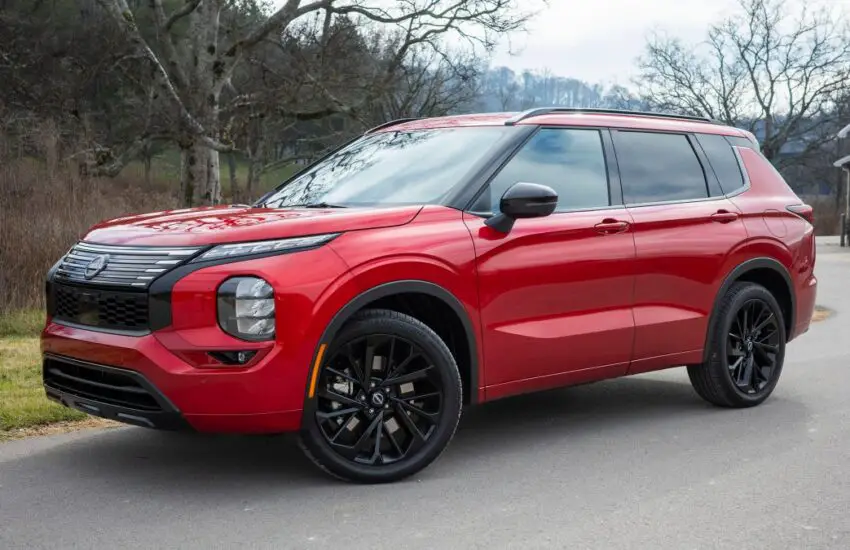
2026 Nissan Rogue Plug-In Hybrid: Shared Foundations, New Badge
The automotive landscape has long seen platforms and technologies shared between brands. The 2026 Nissan Rogue Plug-In Hybrid is a prime modern example, representing a strategic collaboration rather than a ground-up redesign. This model is fundamentally based on the proven Mitsubishi Outlander PHEV platform, bringing established plug-in hybrid technology to Nissan’s popular SUV lineup with distinct styling and tuning.
What to Expect from the Powertrain and Performance
Borrowing the acclaimed plug-in hybrid system from its sibling, the Rogue PHEV is expected to feature a 2.4-liter gasoline engine paired with twin electric motors. This setup typically delivers impressive all-electric range for daily commutes, often exceeding 30 miles, alongside the flexibility of a gasoline engine for longer journeys. Drivers can anticipate selectable driving modes to prioritize electric efficiency or combined power, along with standard all-wheel drive providing confidence in various conditions.
Design and Interior Distinctions
While the mechanical heart is shared, Nissan will impart its own visual identity. The exterior will adopt Nissan’s signature V-Motion grille, updated lighting signatures, and unique wheel designs to align with the Rogue family look. Inside, the cabin will feature Nissan-specific upholstery, trim materials, and the latest iteration of the NissanConnect infotainment system. The focus will remain on spaciousness and practicality, offering versatile cargo space and comfortable seating for five.
Market Position and Considerations
This model fills a crucial gap for Nissan, offering a plug-in hybrid option in the competitive compact SUV segment. For consumers, it presents a compelling choice: access to a refined and capable PHEV powertrain wrapped in the familiar, stylish package of a Nissan Rogue. It eliminates range anxiety while providing significant electric-only driving potential. The primary consideration is understanding its shared engineering heritage, which translates to proven reliability but less brand-exclusive innovation.