
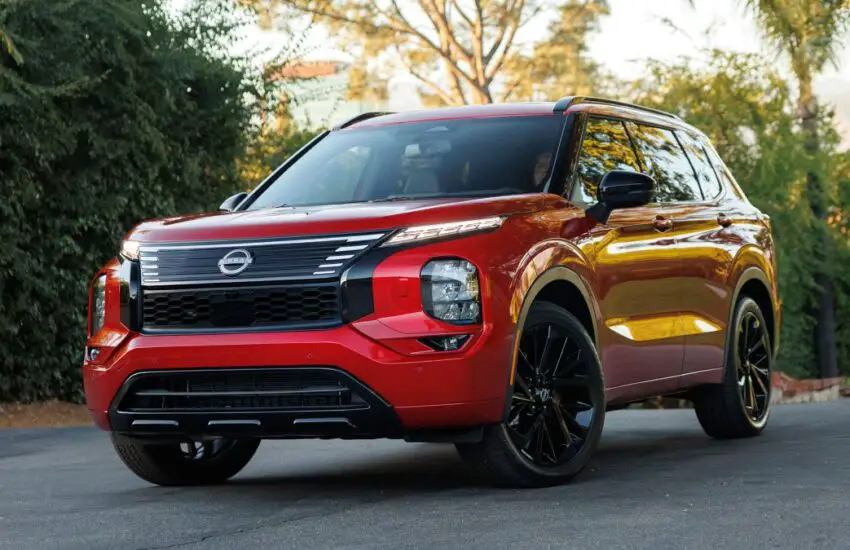
The 2026 Nissan Rogue Plug-in Hybrid
Nissan’s best-selling Rogue has long dominated the compact SUV market by delivering exceptional value. Its formula prioritized affordability and reliability over cutting-edge technology or flashy design. However, the automotive landscape is rapidly evolving, with competitors increasingly offering plug-in hybrid (PHEV) powertrains. For 2026, Nissan is finally entering this segment, but its strategy involves a clever and resourceful partnership.
A Strategic Alliance for Electrification
Rather than developing an entirely new PHEV system from scratch, Nissan is leveraging its strong alliance with Mitsubishi. The 2026 Rogue Plug-in Hybrid will be a reinterpretation of the Mitsubishi Outlander PHEV, sharing its core platform and sophisticated hybrid powertrain. This approach allows Nissan to accelerate its electrification timeline and deliver a competitive product without the massive R&D costs typically associated with new powertrain development.
Anticipated Performance and Capabilities
While official specifications are forthcoming, the shared technology suggests the Rogue PHEV will inherit the Outlander’s capable dual-motor S-AWC system. This setup provides electric all-wheel drive, enhancing traction and stability in various conditions. Drivers can expect a significant all-electric range, potentially exceeding 60 kilometers, making it ideal for daily commutes without using a drop of gasoline. The combination of electric motors and a gasoline engine will provide robust power for merging and passing, along with the practical towing capacity that SUV buyers expect.
Positioning in a Competitive Market
This move is a calculated response to a shifting market. By adopting a proven and well-regarded PHEV system, Nissan can immediately compete with established rivals like the Toyota RAV4 Prime and Ford Escape PHEV. The 2026 Rogue Plug-in Hybrid represents a pivotal moment for the model, transitioning from a value-centric offering to a technologically advanced contender without sacrificing its core identity of practicality and user-friendliness.