
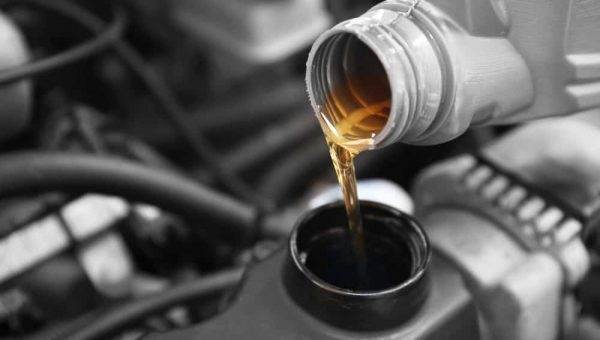

Two of the most common engine oils are 10W30 and 10W40. Although they are very similar in nature, there are a few differences between the two. The main difference between 10W30 and 10W40 oil is viscosity.
We will take a closer look at the differences between these engine oils and give you insight into which one is suitable for your vehicle. We eliminate the confusion about oil viscosities.
So, what are the main differences between 10W30 and 10W40 oils and which one is best for your car? The quick answer is that 10W40 is thicker than 10W30 at higher temperatures.
Unfortunately, this quick answer does not make it easier to understand. You must first know about oil viscosity and the meaning of the numbers on the two engine oils.
Understanding Oil Viscosity

When you talk about viscosity, you know that it refers to the thickness of a liquid. For example, oil is thicker than water. If you were to pour water and oil at the same flow rate, the water would flow faster. For this reason, oil has a higher viscosity than water.
Viscosity is affected by multiple factors, especially when it comes to different grades of engine oil. One of these factors is temperature. If you were to put your oil in the refrigerator for several days, it would eventually turn into a waxy substance. Because this is true, you know that oil viscosity and temperature are closely related. When the temperature increases, the oil’s viscosity decreases. In return, when the temperature decreases, the oil’s viscosity increases. The two are proportional.
Your car’s engine requires the correct oil viscosity to function properly. The oil must withstand different temperatures, capable of adapting to any situation. If your engine produces an excessive amount of heat, the oil could quickly become too thin and not protect the internal components. On the other hand, if the engine is cold, the oil could become too thick to flow properly.
This is where oil grades come in. Each one is named based on its viscosity and how it performs.
Understanding Oil Grade
These two oils start with the number 10. This first number indicates the oil’s viscosity at low temperature. Usually, this number is designated for winter temperatures. As this first number decreases, it flows more easily in cold weather. Therefore, oils starting with the number 5 flow faster than those with a 10 designation. As you might expect, W stands for winter.
So, what does the second number in the oil grade indicate? It shows how easily the engine oil flows when operating at optimal engine temperatures or during the warmer months of the year. The higher this number, the more the oil provides protection against extreme heat and pressure.
With this in mind, the only difference between 10W30 and 10W40 oil is the viscosity at higher temperatures and more pressure. The 10W40 will be thicker when temperatures rise.
When to use 10W30 Oil
If you live in a cold climate, you will find that 10W30 works better for your vehicle. In these climates, the engine oil only deals with the engine’s heat, not the additional stress from the environment. 10W30 engine oil can also reduce the engine temperature while it warms up during the winter.
You will find that 10W30 is used more often than 10W40. It is also easier to find and less expensive. If you are looking for an economical solution, you might prefer 10W30. However, you don’t want to use it if you live in hot climates or are in the middle of a hot summer.
When to use 10W40 Oil
If you live where it is hot all year round, you will prefer 10W40 engine oil. It is designed to perform better at higher temperatures and protects your engine from extreme wear. Not only will this oil handle environmental heat better, but it is also designed for engines that run hotter than others.
With this in mind, you can still add 10W30 in hot weather, but be aware that it will thin out faster than 10W40. As temperatures continue to rise, the internal components may not be lubricated evenly. To be safe, spend a little more and use 10W40 for better high-temperature protection.
Mixing 10W30 and 10W40 Motor Oils
If you do an online search about mixing oils, many people will tell you that it’s fine. However, it is not recommended for multiple reasons.
First, mixing engine oil grades can create a decrease in oil pressure as the engine revs up. This problem can lead to the deterioration of a bearing due to rotation.
Furthermore, when you mix engine oils, you can void your vehicle’s warranty. While both perform the same in cold weather, the latter is designed to be thicker in warmer climates. Unless it’s an emergency, you don’t want to mix oil grades and cause additional wear on your engine. By carrying engine oil with you, this situation can be avoided.