

Modern car engine control systems rely on input from several sensors to regulate engine performance, emissions, and other vital functions. When these sensors do not provide accurate information
The driver may experience increased fuel consumption, driving issues, emission failures, and other problems.
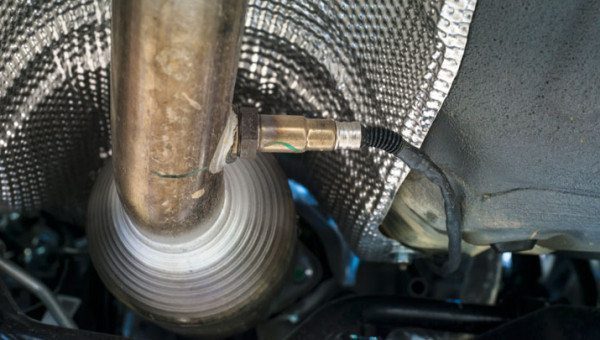
One of the most important sensors in modern cars is the oxygen sensor. Also known as the O2 sensor, because O2 is the chemical formula for oxygen, the oxygen sensor monitors the amount of unburned oxygen present in the exhaust as exhaust gases exit the engine. By monitoring oxygen levels, the sensor provides a way to measure the fuel mixture. The O2 sensor lets the computer know whether the fuel mixture is burning rich (not enough oxygen) or lean (too much oxygen). Knowing the fuel/air ratio allows your vehicle’s engine to make the necessary adjustments to ensure your car runs as it should.
O2 sensors are mandatory on all cars manufactured since 1981. Due to OBD-II regulations that apply to cars made in 1996 and after, many newer cars have multiple O2 sensors. In fact, some cars have up to four oxygen sensors. Cars manufactured in 1996 and later must have a second oxygen sensor located below the catalytic converter. This O2 sensor monitors the operating efficiency of the catalytic converter.
If the sensor after the catalytic converter shows minimal changes compared to the reading on the first oxygen sensor, it is a sign that the catalytic converter is not working properly. Modern vehicles with V-6 or V-8 engines could have up to four O2 sensors—one located in each cylinder bank and one after each catalytic converter. If the oxygen sensor in the cylinder block or the one in the catalytic converter fails, your vehicle could experience serious engine problems.
Since oxygen sensors play a vital role in your engine’s performance and emission control, you might be wondering when to consider replacement.
When Should You Replace Your O2 Sensor?
Oxygen sensors are not part of maintenance items that need to be replaced regularly, such as oil and air filters, so they are typically only replaced when they fail.
Oxygen sensors are a critical component of fuel and emission systems because they monitor the amount of oxygen in the exhaust and relay this information to the engine computer, which adjusts the air/fuel ratio accordingly. If an oxygen sensor fails, the engine computer will not be able to properly adjust the air-fuel ratio, which could lead to reduced fuel consumption, higher emissions, and damage to other components, such as an overheated catalytic converter.
No vehicle to our knowledge has a warning light that signals the failure of an oxygen sensor, so you must rely on other vital signs to alert you when you have a faulty oxygen sensor that needs replacing, such as the Check Engine light on the dashboard illuminating and increased fuel consumption.
Signs You Need a New O2 Sensor
A Check Engine light could be a sign of a more serious problem, such as with the catalytic converter, or something as minor as a loose gas cap, so further investigation is always necessary. However, it could indicate that there is an issue with your O2 sensor or even another part of your exhaust or emission system. Any repair shop should be able to read what triggered your Check Engine light, and a mechanic or auto parts store can perform this service for free.
Other signs that you need a new oxygen sensor include rough idling, misfiring spark plugs, lack of power, stalling, or a significant increase in fuel consumption. These symptoms could also indicate other problems, but the EPA states that replacing a faulty oxygen sensor can improve fuel consumption by up to 40%, so it is clearly a place to look if your vehicle develops a greater thirst for gasoline. If your vehicle fails an emissions test, a faulty O2 sensor could also be to blame.
A new oxygen sensor can cost less than $100 on some models to $300 or more on others, but this does not include labor, which can vary significantly from vehicle to vehicle due to sensor location. As a result, the total cost of replacing the oxygen sensor can vary widely depending on the type of vehicle you drive.