
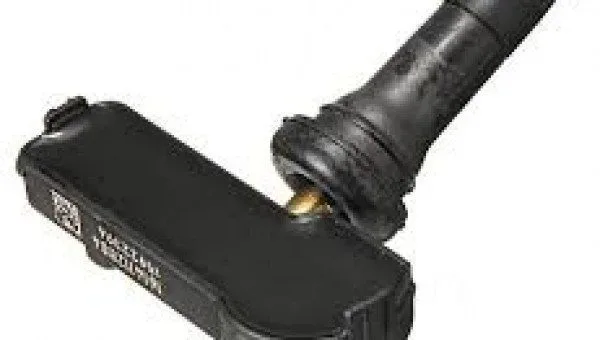
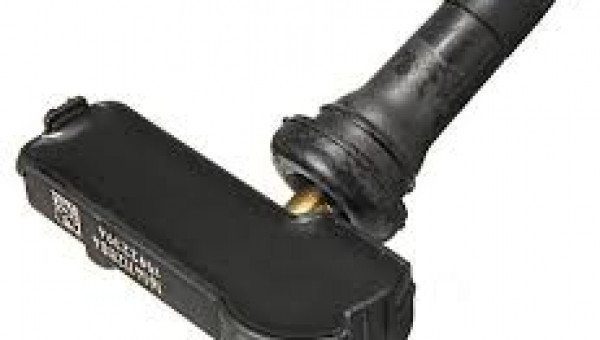
The tire pressure sensor measures the pressure in your car’s tires. It sends the information to the car’s onboard computer, which analyzes the information and makes the necessary adjustments.
If the problem is irreparable, the ECU turns on a warning light on your dashboard. Tire pressure sensor failure can have several causes, including heat. The location of the tire pressure sensor means that a lot of heat is generated around it. Heat can easily damage an electronic component, especially if it is small. Secondly, dirt and dust can damage the tire pressure sensor. Pollutants such as dirt and dust infiltrate the tire and damage the tire pressure sensor.
Water may be the most important and probably the rarest reason for tire pressure sensor failure. Normally, we don’t drive our cars on water, but puddles on the road, which settle after heavy rain, can pose a danger to the tire pressure sensor. Water can cause a short circuit that can completely destroy the tire pressure sensor. A faulty sensor should be repaired or replaced, depending on its current condition. If it is too worn, it is better to replace it, as replacement is not very expensive.
What is a tire pressure sensor?
The tire pressure sensor plays an important role in ensuring that your vehicle remains in perfect condition at all times. It calculates the air pressure in your car’s tires and alerts you if the air pressure is insufficient. In this case, you can take appropriate action.
The tire pressure sensor also works with the tire inflator in some vehicles. The tire inflator in modern cars is a mechanism that allows you to inflate your tires with air when the air pressure becomes too low. When the tire pressure is low, the tire pressure sensor on the dashboard indicates that air needs to be added. In this case, you can inflate your tires at the touch of a button. Remember, however, that tire pressure sensors can malfunction if they are not working or if their performance is affected by pollutants such as dust and dirt.
Symptoms of a tire pressure sensor
A sensor is an electrical component and therefore something that can deteriorate with age. Not only that, but irregular power supply, dirt, heat, and dust can significantly affect the sensor’s performance. There are noticeable changes in the car when this happens.
Low air pressure in tires
The function of the tire pressure sensor is to alert you when the tire is low. So, if you find that your tires are flat or you are having difficulty driving your car, the tire pressure sensor has failed or is not working properly. The sensor must be in good working order to allow for correct assessment. Therefore, if you do not see warning signs on your dashboard, you should have the sensor checked by a certified mechanic. Check your tire pressure with a tire pressure gauge.
The warning light comes on
Sensors usually trigger a light on the dashboard if something is wrong with them or the system. The ECU or PCM, which receives all the information from the sensors, triggers a warning on your dashboard indicating that something is wrong with the sensors. If a sensor, such as a tire pressure sensor, is not operating according to standard, the ECU turns on the check engine light. The check engine light can come on for a number of problems, so it’s best to be very sure of the issue. Consult a mechanic to diagnose the true reason for the check engine light symbol. You may also receive the “Tire Pressure Sensor Failure” message on your dashboard.
Incorrect warnings
If the tire pressure sensor is not working properly, you may receive incorrect warnings on the DIC. The sensor might indicate that you have a flat tire, even if there is nothing wrong with the tire. It may also indicate low tire pressure even if you have recently inflated the tires to the optimal pressure. However, these warnings should not be taken lightly as they can lead to future problems.
Location of the tire pressure sensor
The tire pressure sensor is located inside a tire where it is attached to the inner part of the rim. You can easily find it by removing the tire from the rim. It looks like a small cylinder.
Cleaning / inspecting a tire pressure sensor
Due to its location, the tire pressure sensor is exposed to dirt, dust, heat, and deposits. All these pollutants can lead to a decrease in the sensor’s performance. If the sensor is not in optimal condition, your car’s performance may be affected. Therefore, you should do everything in your power to ensure that a tire pressure sensor is working correctly. We will look here at the methods for cleaning the sensor.
Fill the tires with air and reset TPMS
You should first try to inflate the tires to the correct tire pressure. Then you need to reset the TPMS system. If the dashboard light is still flashing, you can try cleaning it using the methods described below. If the problem persists, replace the sensor and recalibrate.
Remove the sensor
The tire pressure sensor is located in the tire pressure valve or in the wheel rim, from where it sends valuable information to the car’s central computer. As you might have guessed, removing a tire pressure sensor is easy, but the first step can be a bit difficult if you don’t have the right equipment. To remove the sensor, you need to remove the wheel from your car, then slightly remove the tire so that you can find the tire pressure sensor hidden behind it. When you have found it, loosen its screws with a screwdriver.
Use alcohol or a cleaner to clean
The next step is to place the sensor in a plastic bag and use a special cleaning product or alcohol to remove all dirt and excess deposits from the sensor. This job requires a lot of skill, so make sure you have plenty of time because the last thing you want to do is damage the sensor and have to buy a new one. Be sure to let the sensor dry for a good 20 minutes after cleaning before reinstalling it.
Reinstall the sensor
To reinstall the sensor, repeat the procedure you used to remove the sensor. This time, however, you need to make sure that the sensor is firmly installed and that the area where it is located is clean.
Repair / replacement of the tire pressure sensor
Due to its easy positioning, you can replace the sensor without needing a mechanic. However, before trying to become a home mechanic, you need to learn what you are doing and how to do it. Here are some tips for trying to replace a tire pressure sensor:
- Gather the necessary equipment to remove the tire from the rim
- Remove the tire from the car and place it on its side
- Using two levers, separate the tire from the rim
- Locate the tire pressure sensor on the rim
- Remove the connectors from the tire pressure sensor
- Use a screwdriver to unscrew the sensor from the rim and place it in a safe place
- If the sensor appears dirty and worn, you can clean it and put it back
- If the sensor appears to be in poor condition, you should replace it
- Clean the inside of the rim with an alcohol solution, especially at the sensor location
- Match the new sensor with the old one and securely place it in its position
- Screw the sensor in place and attach the electrical connectors
- Put the rubber tire back on the rim and attach the tire to the car
- Test the sensor after adding air to the tires
- Reset the tire pressure sensor using the settings found in your car’s infotainment system
- Drive the car and check if the prompt appears again
Diagnosing a faulty tire pressure sensor
In most cases, you will find that a tire pressure sensor failure is easy to detect. Sometimes, you will get a prompt on your dashboard or DIC, and when you check your tire pressure, everything is fine. This means the tire pressure sensor is not working properly. In other cases, you may get a flat tire and not be warned by a light on your dashboard. This rarely happens, but if it does, you are dealing with a complete sensor failure.