
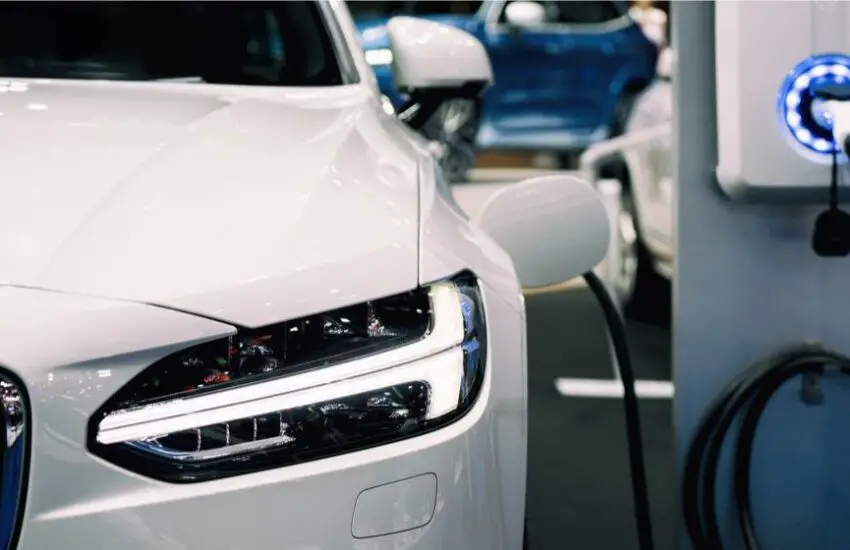
Before saying goodbye to gas stations, discover the hidden costs of owning an electric car to prepare yourself well for new road routes!
In an era where gasoline prices are soaring and electric vehicle (EV) charging costs are significantly reduced by manufacturers, buying an EV is probably an obvious choice. But the economics of electric vehicles is a complicated story, and you need to understand many unknown issues before deciding to say goodbye to gas stations.
Hidden Costs Associated with Owning an Electric Car
Buying a New Electric Car
To drive an electric vehicle, you first need to buy the car, and it’s not cheap. Even if you sell your existing gasoline car, you will likely have to shell out at least $10,000 more. This decision will take many years to reach the break-even point, even if you just buy a very cheap electric vehicle, live in a place with low electricity prices, and always charge your car at home. Too many “ifs” make buying an electric car difficult to consider as an economical option.
In reality, many people buy hybrid or other fuel-efficient vehicles at a net cost much higher than what they could save on fuel when using them.
Of course, a fully electric car will save you much more energy than a hybrid car, but its initial purchase price, along with insurance and repair costs, can lead to less positive economic outcomes. On the other hand, traditional gasoline cars often involve many minor maintenance costs that electric vehicles don’t have, such as oil changes or brakes.
Many people even give the reason for buying an electric vehicle to protect the environment. This goes beyond the scope of the article, but you might think of ways to protect the environment much more effectively than investing money in electric cars.
Resale Value
Price depreciation happens with any vehicle you buy and is a very important factor to consider for electric vehicles. The value of a new car will always decrease once you drive it home, leading to generally higher per-mile costs for electric vehicles due to the selling cost. And it wasn’t cheap, and the price drop rate has been faster than that of traditional cars.
For example, Subaru, even though not renowned for its electric vehicles, has an average resale value of 66% of its new price after five years of use. Assuming a new Subaru costs $35,000, this price drop will cost you $11,500 over the first five years, which is $6.3 per day.
Meanwhile, a Tesla with a higher average price will retain 58% of its value after 5 years (this is why Tesla ranks 3rd on the list of luxury car brands). In other words, if you buy a Model 3 for $60,000, you’ll have to accept a “loss” of $25,000 over the first 5 years, which is $13.8 per day.
Ultimately, most people know that as soon as you drive a new car off the lot, it loses value. This loss is also amplified when it comes to electric cars. Here are some reasons why electric vehicles depreciate over the years:
- New electric cars benefit from a tax credit of over $7,000 (with some limitations). For example, once this tax credit is canceled, the value of a car can drop by up to 60% at the end of a three-year lease.
- Electric vehicles lose up to 20% of their maximum range after 5 years.
- Electric car technology is still new and evolving rapidly. Like the latest smartphone compared to a three-year-old model, new EV models will be much more attractive to buyers than older models, especially as battery technology improves.

Battery Replacement
Another form of depreciation that only occurs with electric vehicles is that after a period of use, the battery needs to be replaced. Unlike a traditional car, which has a non-replaceable engine, the EV’s battery must be replaced when the vehicle operates to a certain point and can no longer maintain the original range. Battery replacement costs vary by vehicle, but the average estimate is around $10,000.
However, this figure is just an estimate, as very few EV models have been in operation long enough for the battery to degrade to the replacement point, and the replacement battery market is not as crowded as the traditional automotive parts market.
Overall, unlike standard car batteries, electric car batteries are not cheap. They perform well for 100,000 miles but cost between $10,000 and $20,000. Furthermore, EV battery technology will improve over the next few years, and their prices are expected to drop. But if you want to increase the mileage, you need to think about how you will pay for a new battery. Certain conditions can lead to faster degradation of an electric car’s battery.
For example, using ultra-fast DC charging will reduce the battery’s lifespan. Kia also notes that fast charging leads to a 10% decrease in battery life over 8 years.
Additionally, for electric vehicles that are bought and sold over and over, we don’t know who will be responsible for battery replacement. If you buy a used electric vehicle, expect that you will be the owner and will have to spend your own money to replace the car’s battery once its range decreases, thus making the car’s depreciation problem even more challenging.
Registration Fees/Gas Tax
The gas tax, which is levied at the pump in some states when refueling a gasoline vehicle, is used to help pay for road repairs. Since electric vehicles don’t use gasoline, states impose additional registration fees of about $50 to $200 for electric vehicles. Currently, Georgia has the highest electric vehicle fees, but check the full list of states and electric vehicle registration fees for more information.
Insurance Premium
Most car insurance companies charge higher fees for electric cars because their repair and replacement cost more, and fewer repair shops have staff trained on electric vehicles. As a result, you will pay between 5% and 20% more for electric car insurance than for a gasoline car.
Roadside Charging Stations
Even though it’s certainly cheaper to charge an electric car than to pay for a gasoline car, your actual savings will be significantly lower if you charge it on the road rather than at home. The price of public charging facilities varies considerably, some charging by minutes of charging and others by kWh of electricity used. Although DC fast chargers can cover 100 miles in 10 minutes, they are also the most expensive public charging option. However, convenience and charging time are also factors to consider.
Home Charging Source
Although it is by far the cheapest charging method, home charging for electric cars also has drawbacks. It may be less expensive to charge the electric vehicle with a Level 1 charger using a standard 120-volt outlet, but this option is not practical if you drive daily, as this type of charging can take 24 to 36 hours in cold climates. This means daily commuters need a more expensive Level 2 electric car charger installed by a professional for convenient overnight charging.
EV chargers typically cost around $2,500 for the charger and installation, and EV chargers have a lifespan of about ten years. If your home needs an electrical upgrade to accommodate a Level 2 charger, you will have to pay extra.
Range Loss (Battery Performance)
As mentioned above, electric vehicle batteries degrade over time. So, as your car ages, a fully charged battery will allow you to travel shorter distances than before. Additionally, cold weather affects the performance of EV batteries.
Repair Cost
Electric vehicles have much more complex electrical systems than traditional gasoline vehicles. And these systems are often very expensive to repair or replace. Furthermore, electric cars often have parts that are hard to find and replace, which can also increase the actual cost of owning an electric vehicle.
On average, over a three-month period, repairing an electric vehicle costs twice as much as repairing a gasoline car. Over a year, the cost of an EV service would still be more than double the cost of an ordinary vehicle repair. The average repair cost for an electric vehicle is about $300 per electric vehicle, while a gasoline vehicle with an internal combustion engine costs an average of about $150.
Another important factor in electric vehicle repair costs and the true total cost of owning an electric vehicle is the maintenance of the EV battery. Most other electric vehicles run on lithium-ion batteries. They are similar to the batteries in your phone or laptop but are much larger. Lithium-ion batteries degrade over time, and the lifespan of EV batteries is typically 10 to 15 years.
Another hidden cost associated with owning an electric car is the cost of spare parts. Electric vehicles often have parts that are hard to find and replace, which can increase the cost of ownership.
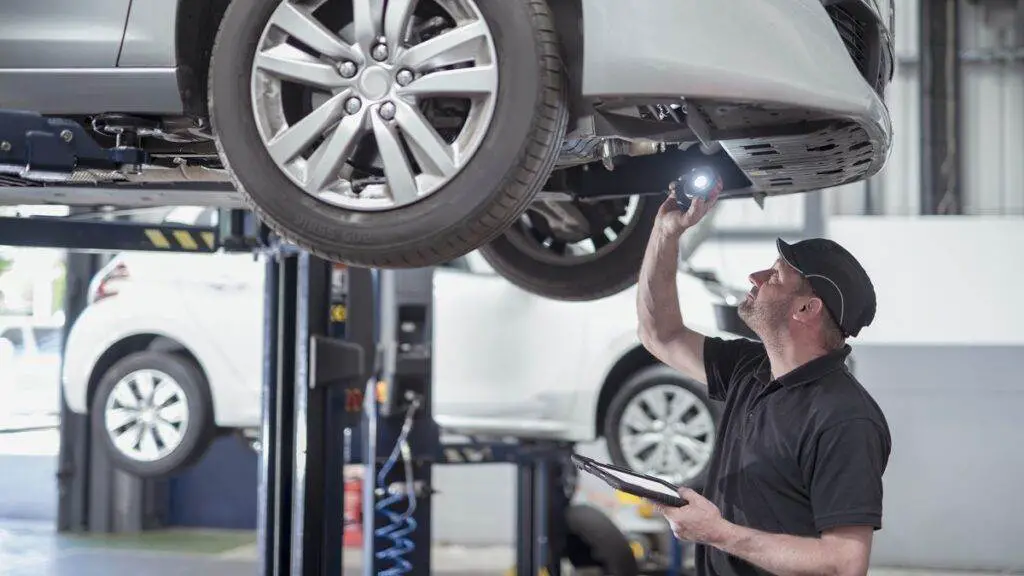
Furthermore, many auto repair shops have mechanics who are not familiar with electric cars for obvious reasons. This means it will take mechanics more time to diagnose and then fix the electric vehicle’s problem, thus adding more dollars to your car repair bill.
Buying an Electric Car Is Not Easy
Thus, the cost of purchasing and using an electric vehicle is much higher and fluctuates depending on where you live or how much you have to pay for electricity.
For example, in California, the average cost of electricity is 18 cents/kWh, while in Idaho, it’s 8 cents/kWh, and in Hawaii, it’s 28 cents/kWh. Additionally, the electricity bill is not always clear. Everyone knows that there are times of the day when electricity prices will be lower than usual, and don’t forget the associated taxes.
A quick comparison on the U.S. Environmental Protection Agency website shows that the Tesla Model 3 Long Range consumes much less energy than the BMW 330i xDrive (gasoline car), suggesting that Tesla seems to be a great option if you want to save money. But a 2021 study by the Anderson Economic Group concludes that driving an electric car can cost much more than driving a traditional car.
Driving an electric car can be either cheaper, as expensive, or more expensive than driving a gasoline car. An electric car actually helps reduce travel expenses, except for longer trips. The shift to electric vehicles is inevitable for technological, political, and financial reasons, but what you need to know is whether the cost of using an electric vehicle suits your situation and economic condition. How you use electric vehicles will help protect the environment.
Are Electric Cars Worth Owning?
It is currently too difficult to answer this question because there are too few electric vehicles on the streets. Even though electric vehicles have clearly made a breakthrough in the local automotive industry, there is still too much work to be done. When the time comes, electric cars will certainly become cheaper than gasoline and diesel cars.
Conclusion
We have just scrolled through some information about the hidden costs associated with owning an electric car with our article above. We hope to see you again with more insightful car maintenance tips!