
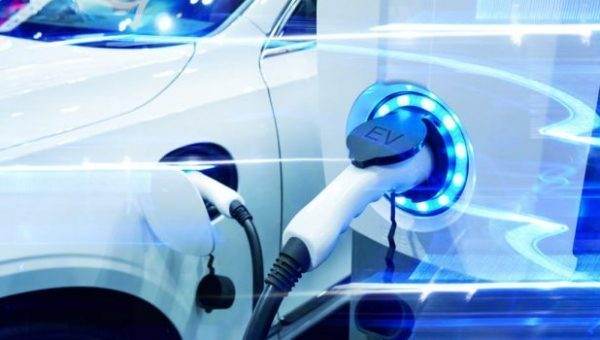

For some time now, electric cars have been presented as the solution to the automotive industry’s greenhouse gas problems, with the potential to reduce our dependence on fossil fuels and lower CO2 emissions on the roads. However, the transition to electric vehicles (EVs) has been slow, and many people are wondering if the benefits of these cars truly outweigh the costs. For those considering purchasing an electric vehicle, our recommendation would be to explore your options and examine the advantages and disadvantages individually, as they could also be affected by your driving environment, habits, and preferences.
- 1 How do electric vehicles work?
- 2 The advantages of electric cars
- 3 The disadvantages of electric cars
- 4 How does temperature affect the vehicle’s range?
- 5 Are electric cars actually better for the environment?
HOW DO ELECTRIC VEHICLES WORK?
Instead of an internal combustion engine, all-electric models use an electric motor powered by a rechargeable battery. The motor generates less noise and allows the car to operate without emitting harmful exhaust gases. The battery stores electricity, an inverter converts the direct current (DC) from the battery into alternating current (AC) that powers the traction motor. These vehicles are equipped with a single-speed transmission system that transfers power to the wheels. To recharge the battery, the EV must be plugged into a charging station or a wall outlet.
THE ADVANTAGES OF ELECTRIC CARS
- +No Fuel
This allows people to significantly reduce their operating costs because electricity is generally much cheaper than gasoline and diesel. However, this will also depend on the local charging infrastructure and charging rates. Some models can even be charged at home using a standard outlet.
By using electric vehicles, we can become less dependent on fossil fuels and the volatility of the fuel market. Car batteries can potentially be charged using 100% renewable energy sources.
- +Zero Emissions
The obvious advantage of switching to all-electric is that the cars do not release harmful gases into the atmosphere. In this sense, they are even more environmentally friendly than hybrid electric vehicles that still use internal combustion engines. Features such as regenerative braking also reduce the amount of wasted energy. - +Low Maintenance
Electric units are generally much easier to maintain than conventional combustion engines. They have fewer moving parts, meaning there are fewer parts to replace. There are no valves that can clog or seals that need to be replaced regularly, and you won’t have to worry about changing the engine oil. - +Tax Benefits
Some governments offer tax benefits and financial incentives for low-emission vehicles. One of the advantages of owning an electric car is that you can avoid certain environmental costs, such as congestion charges. - +Smooth Driving
Thanks to the electric motor, much less noise is generated, contributing to a better driving environment. The simple transmission system virtually eliminates stalling and allows the vehicle to be operated using only the accelerator pedal, steering wheel, and brake pedal. After many technological evolutions, these models are lighter and capable of accelerating surprisingly fast. For example, the Tesla S model is capable of accelerating from 0 to 60 miles per hour in just 2.5 seconds.

THE DISADVANTAGES OF ELECTRIC CARS
- –High Investment Costs
Electric vehicles are certainly not cheap, and many people do not have the capital to buy a new one. Used vehicles are obviously cheaper, but they still have a higher average resale value than standard gasoline vehicles. Hopefully, the market segment will see a reduction in prices as technology advances and more of them are sold. On the other hand, in the long term, fuel savings can offset the money invested. - –Problems with the Electrical Infrastructure
Although more people have made the switch and companies and governments have started to invest more in the electrical infrastructure for these vehicles, the number of charging stations in different locations is still quite limited. For long-distance trips, car owners will need to ensure there are enough charging points along the route. Another issue is that the time required to charge the vehicle varies depending on the charging method and the battery’s condition.
- –Driving Limitations
Electric vehicles have limited range and speed. On average, most models have a range of about 50 to 100 miles on a single charge. However, new high-end models have much higher ranges. For example, the Chevrolet Bolt has a maximum range of 238 miles. - –Expensive Batteries
Although batteries typically last a long time, they eventually wear out. A replacement can cost thousands of pounds. - –Silence
The fact that the traction motors are so quiet is not always an advantage. For example, sound can be important to warn other road users and pedestrians when a car is coming around the corner or stopping.

HOW DOES TEMPERATURE AFFECT THE VEHICLE’S RANGE?
Range can be affected by extreme temperatures (hot or cold). Data has shown that the optimal operating temperature for electric power systems is around 21.5 degrees Celsius. An important factor is the efficiency of the heating and cooling systems. Car manufacturers have tried to develop solid thermal management to avoid performance losses.
ARE ELECTRIC CARS ACTUALLY BETTER FOR THE ENVIRONMENT?
The reductions in annual emissions are clear, but the sustainability of these cars is still widely debated. For example, production processes are still carbon-intensive, and most of them still rely on grid electricity, which is often produced from non-renewable energy sources. The lithium-ion battery recycling industry is also underdeveloped and ill-prepared for the increasing waste management requirements.